



_trans_2500x2500.png)














.jpg)

.jpg)






Raising Productivity
Background
The Challenge
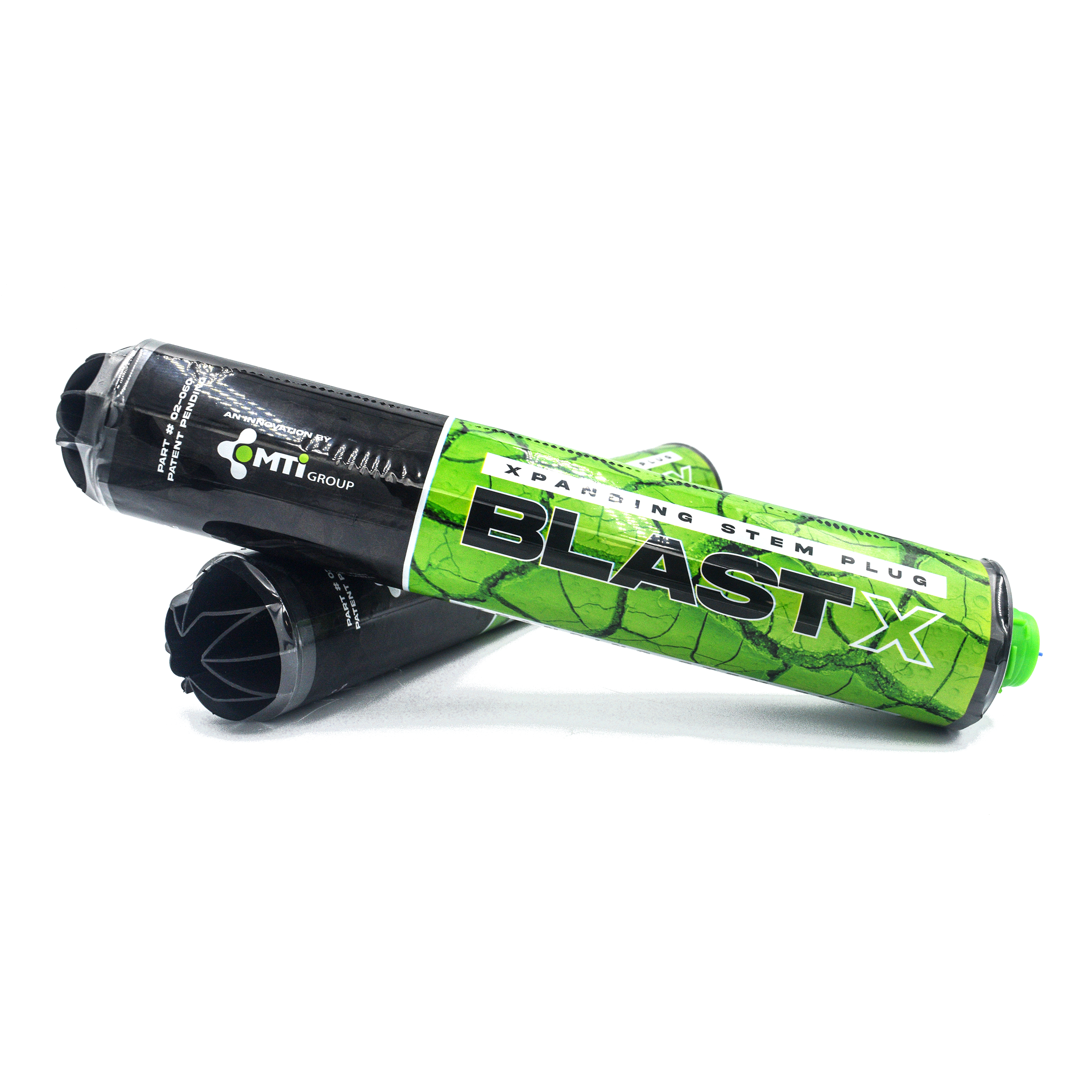
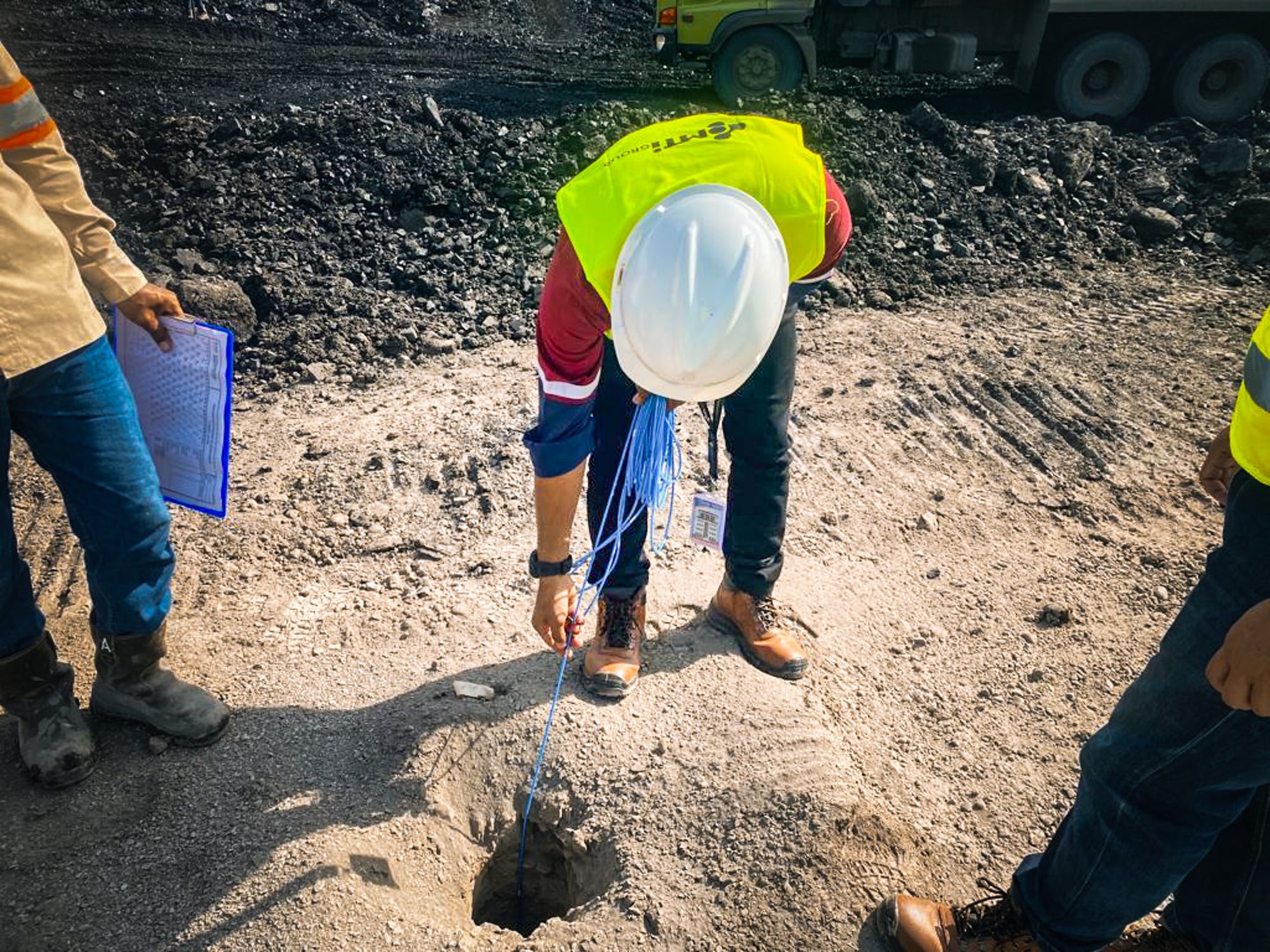
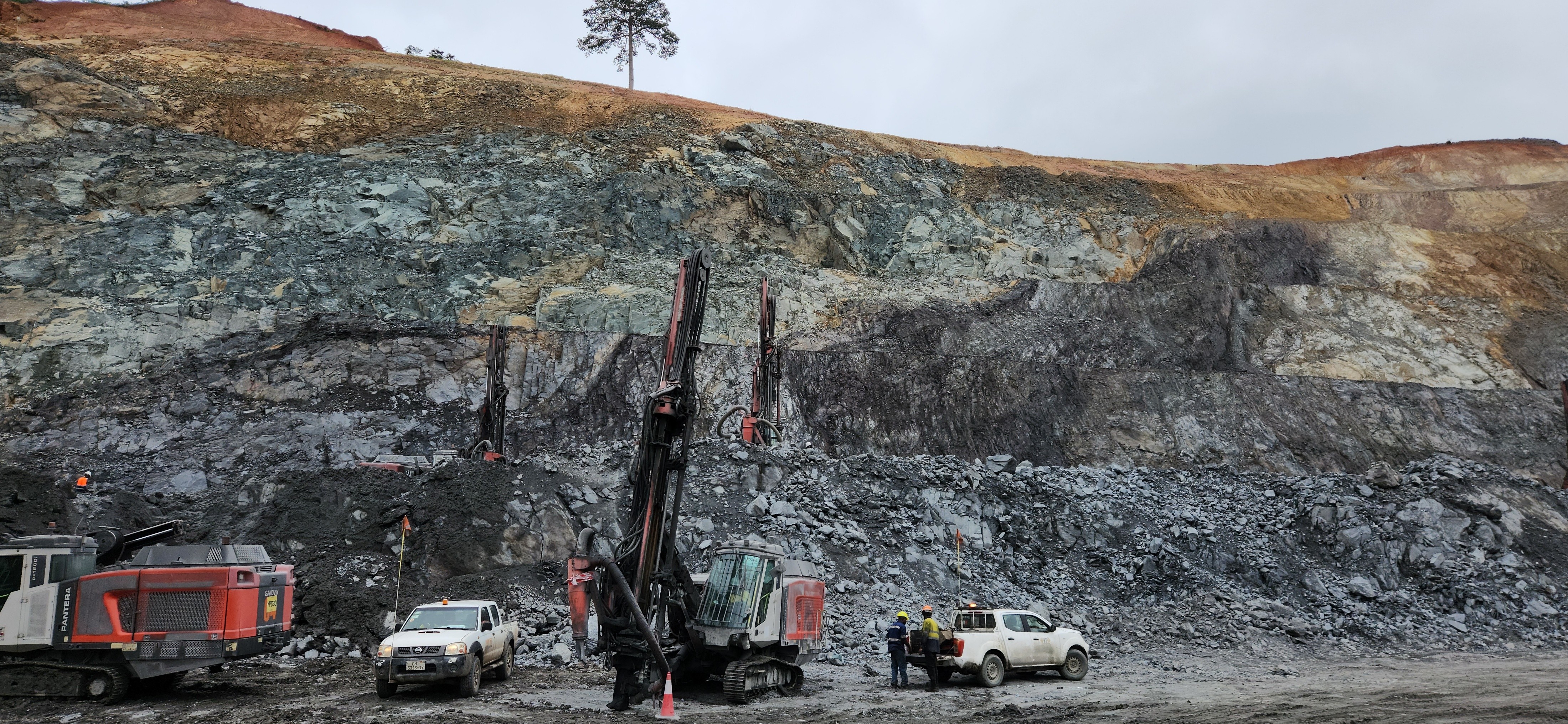
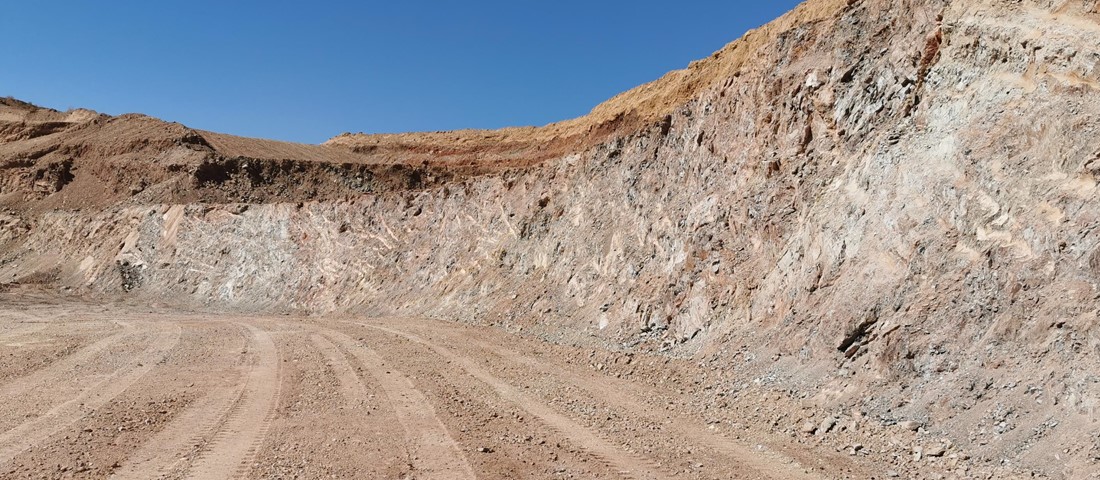
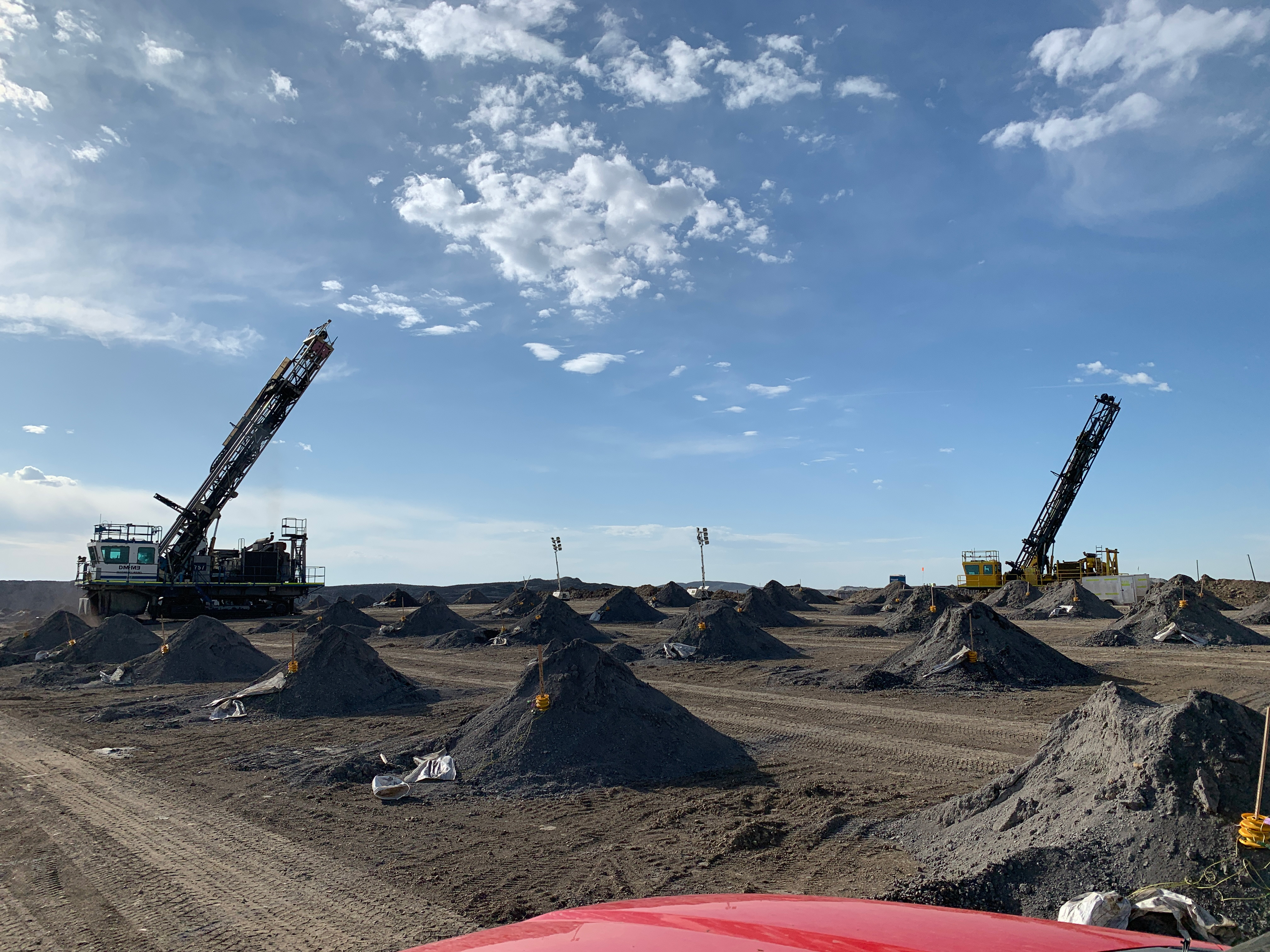
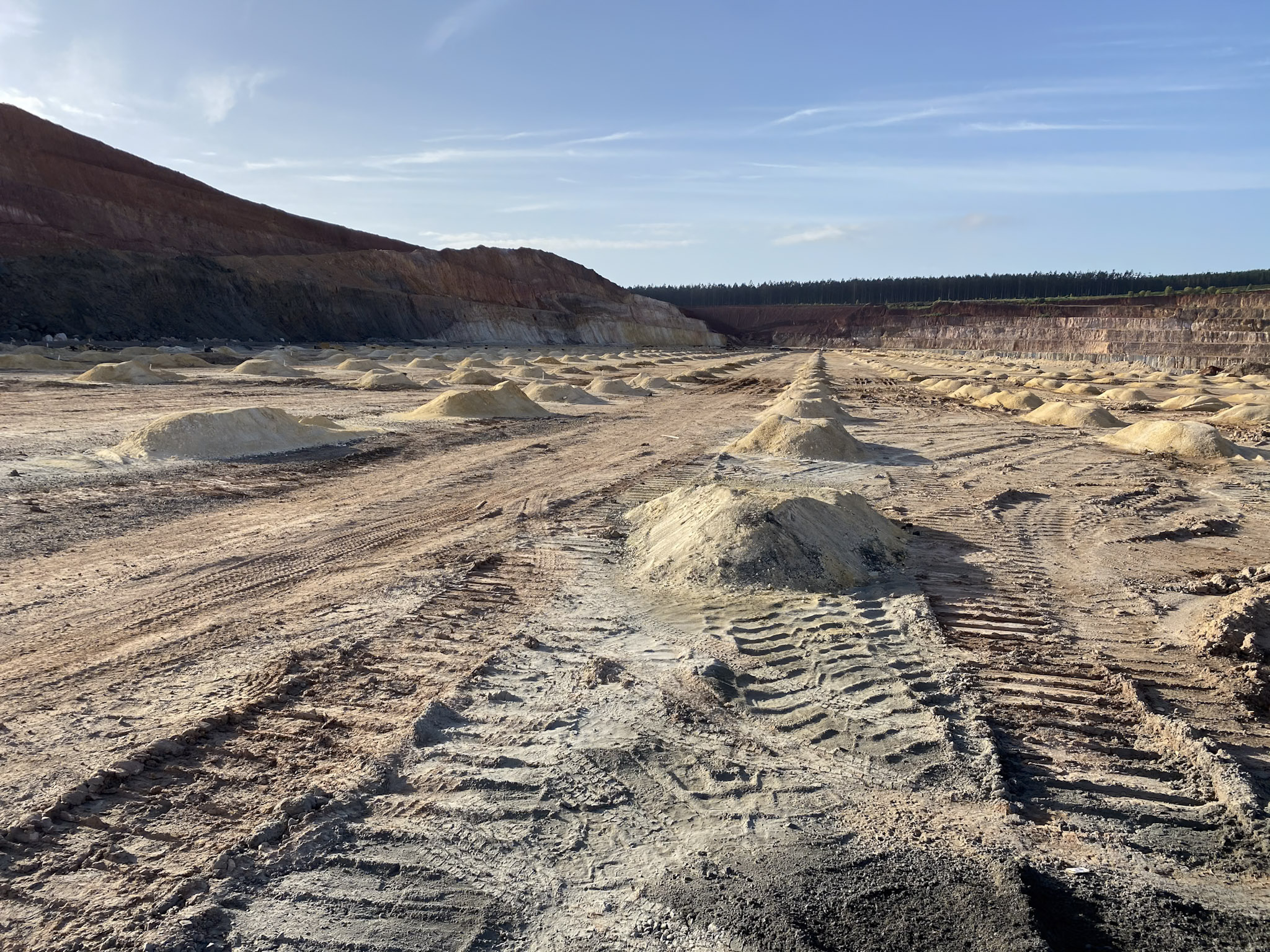
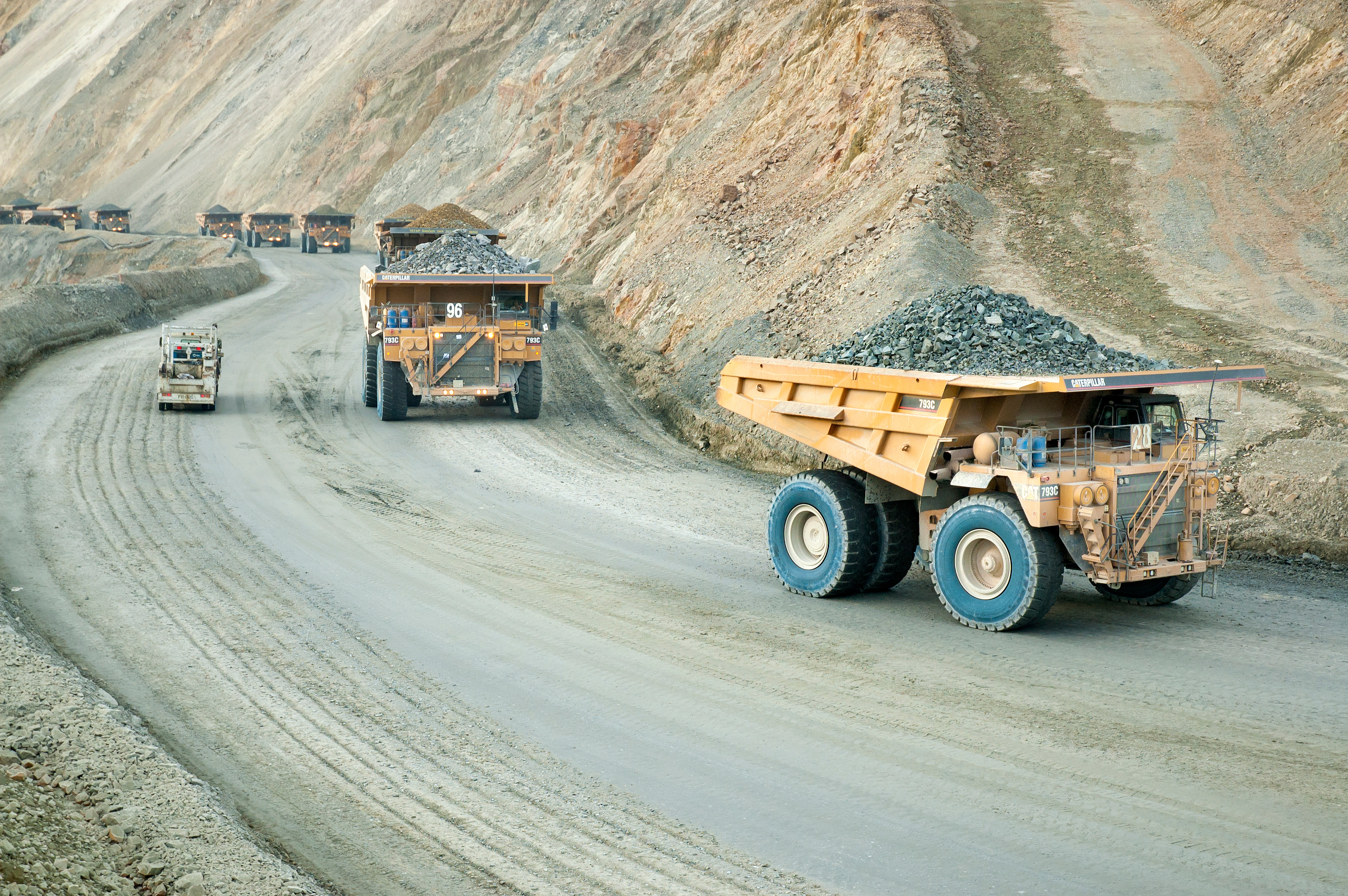
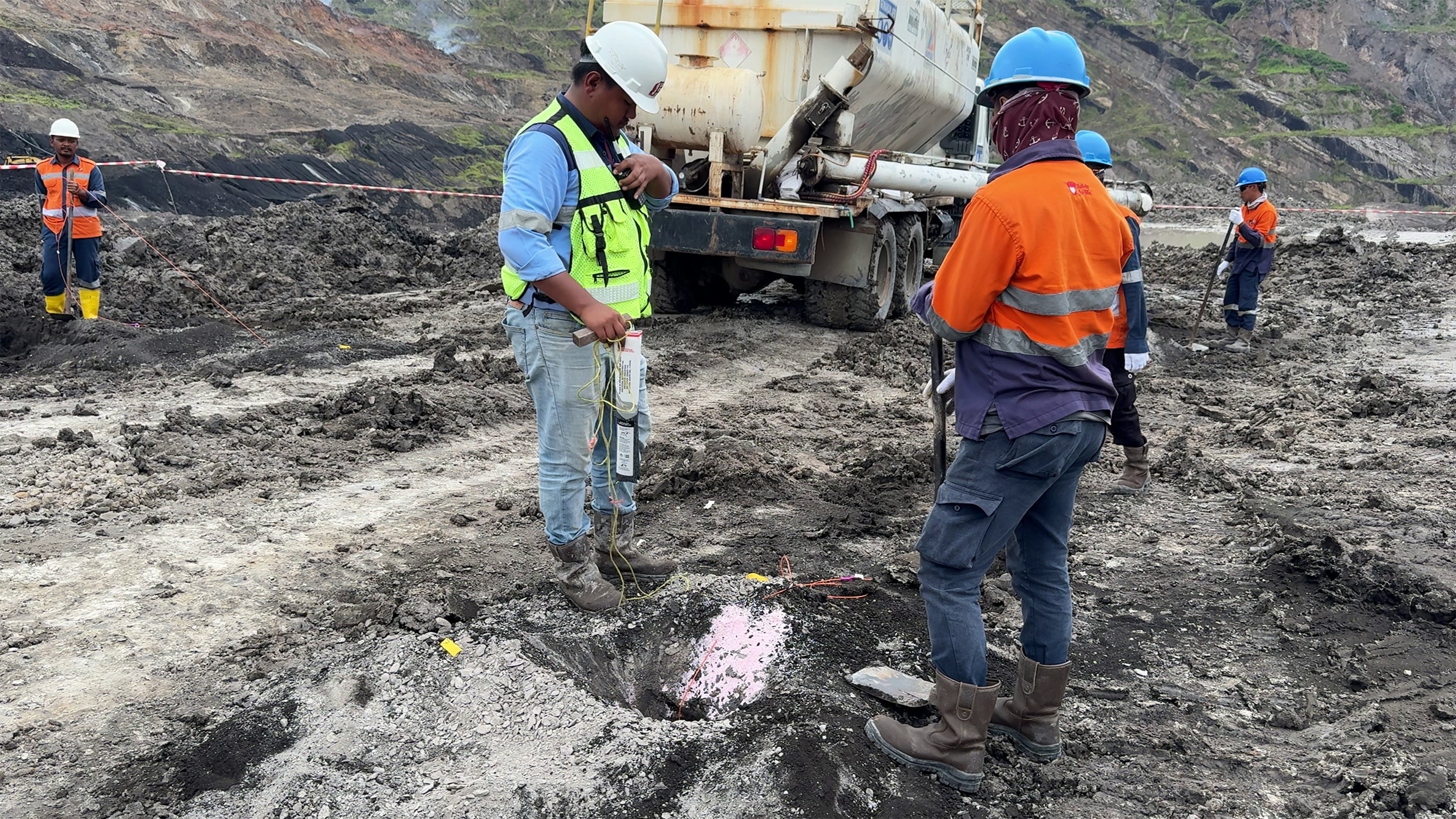
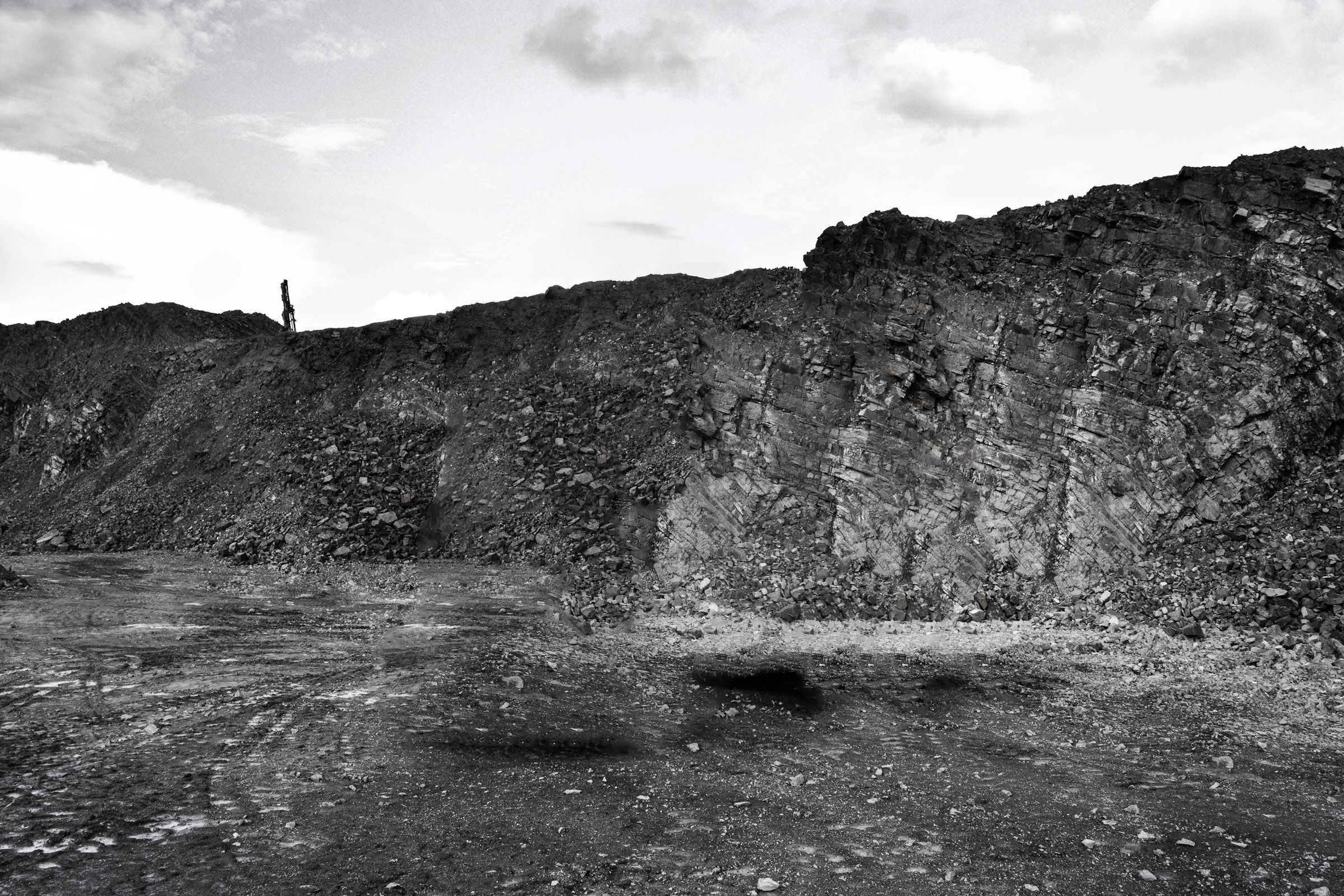
Known as the land of a thousand rivers, South Kalimantan is a rich and expansive Indonesian province located in the central part of the archipelago. Home to numerous mines and a burgeoning industrial sector, the region is an essential hub for mining operations. Our client based here encountered stubborn hard rockformations in various sections of the mine. These proved difficult to break particularly in the top part of the rock, leading to poor fragmentation and longer excavation times, which resulted in missed targets and a loss in overall productivity. To address this, site crew initially adapted their blast design, shifting from a 7x7x6m configuration with 45 kg of explosives per hole to a 7x7x7m design with 60 kg of explosives. While this adjustment achieved better breakage, it was not a viable option as issues with top size and ejections persisted, as well as increased vibration posing a risk to nearby structures and community. With limits on the amount of charge per hole, any fix would need to work within the current vibration constraints. Having collaborated on a previous project, MTi Group and PT. Prima Minechem Indonesia (MTi's local distributor) were presented with this challenge: solving the hard-rock issue without increasing drill and blast costs, while also minimising ejections and vibrations. After a thorough assessment and several site visits, it was apparent the solution to improve stemming efficiency was airdecking.
The Solution
It was agreed that a trial be conducted to examine the effectiveness of airdecking in improving top size fragmentation. Firstly, with a proof-of-concept phrase, followed up with an optimisation stage to fine tune stemming efficiency and improve fragmentation. This would consist of several blasts:
BLAST 1 (POC): A split test (non-decked vs. decked) on a 7m x 7m x 6m pattern
BLAST 2 (POC): A split test (non-decked vs. decked) on a 6m x 7m x 6m pattern
BLAST 3 (Optimised): A full blast on 6.5m x 8m x 6m pattern. Using an optimised blast design (faster dig with reduced cost)
To ensure objectivity, a set of KPIs was established looking at 3 main elements:
Digging time - Target set at 10 seconds or less.
Powder factor - Target of below 0.15 kg/Bcm.
Maximum explosive charge - Target at 45 kgs
Target fragmentation - Top size to remain under 500 mm.
In addition, vibration levels would have to meet site standards and flyrock risk would need to be minimised.
The Result
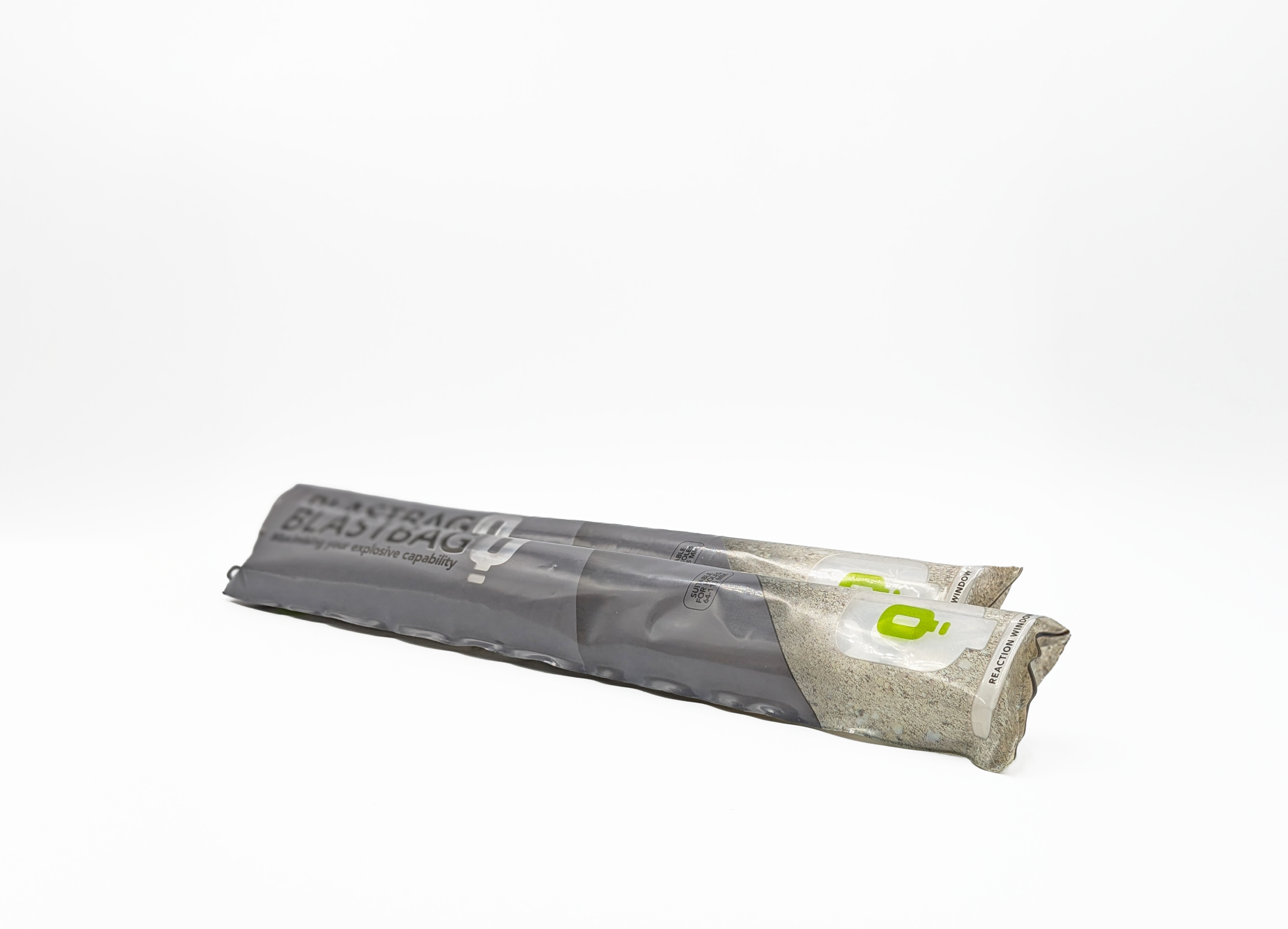
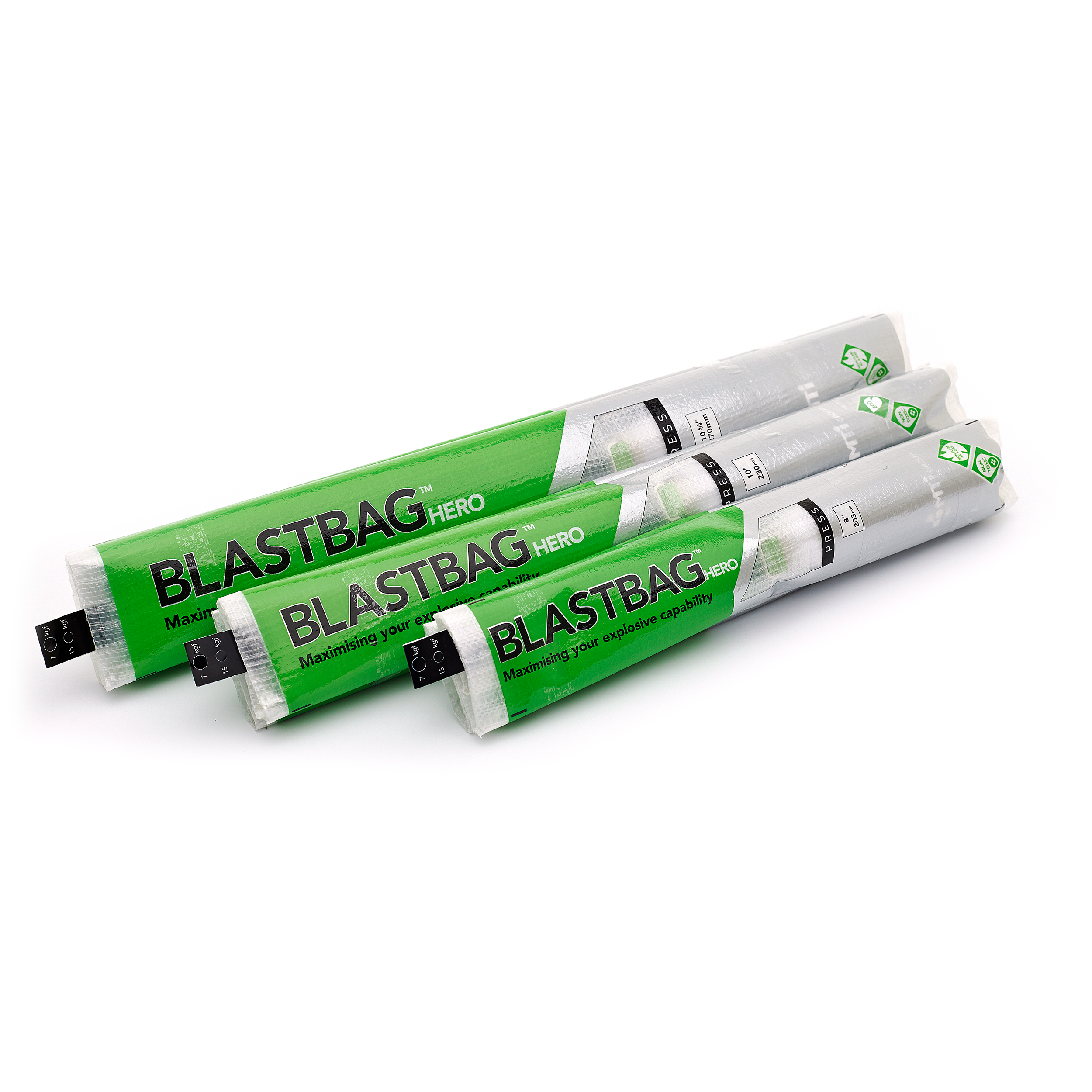
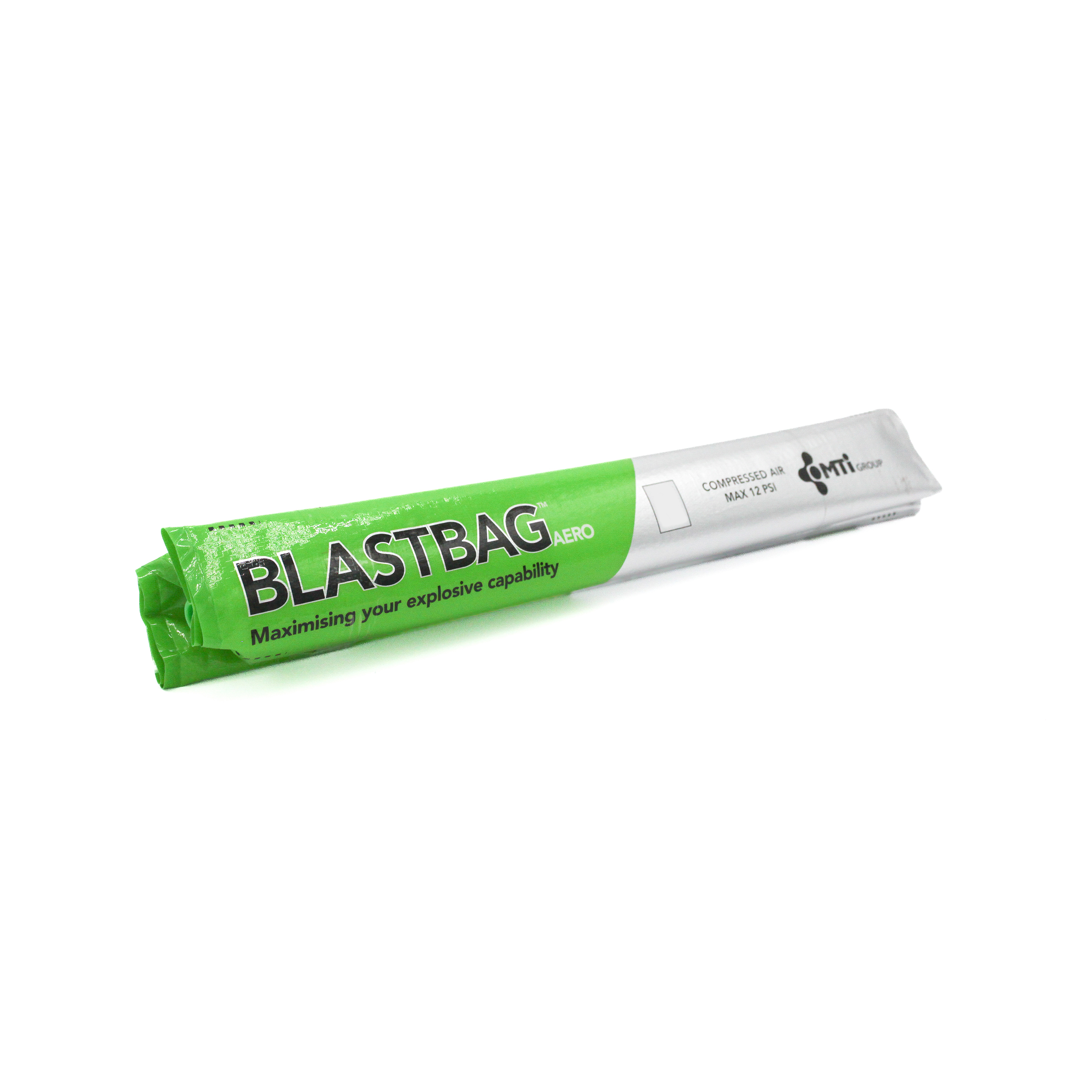
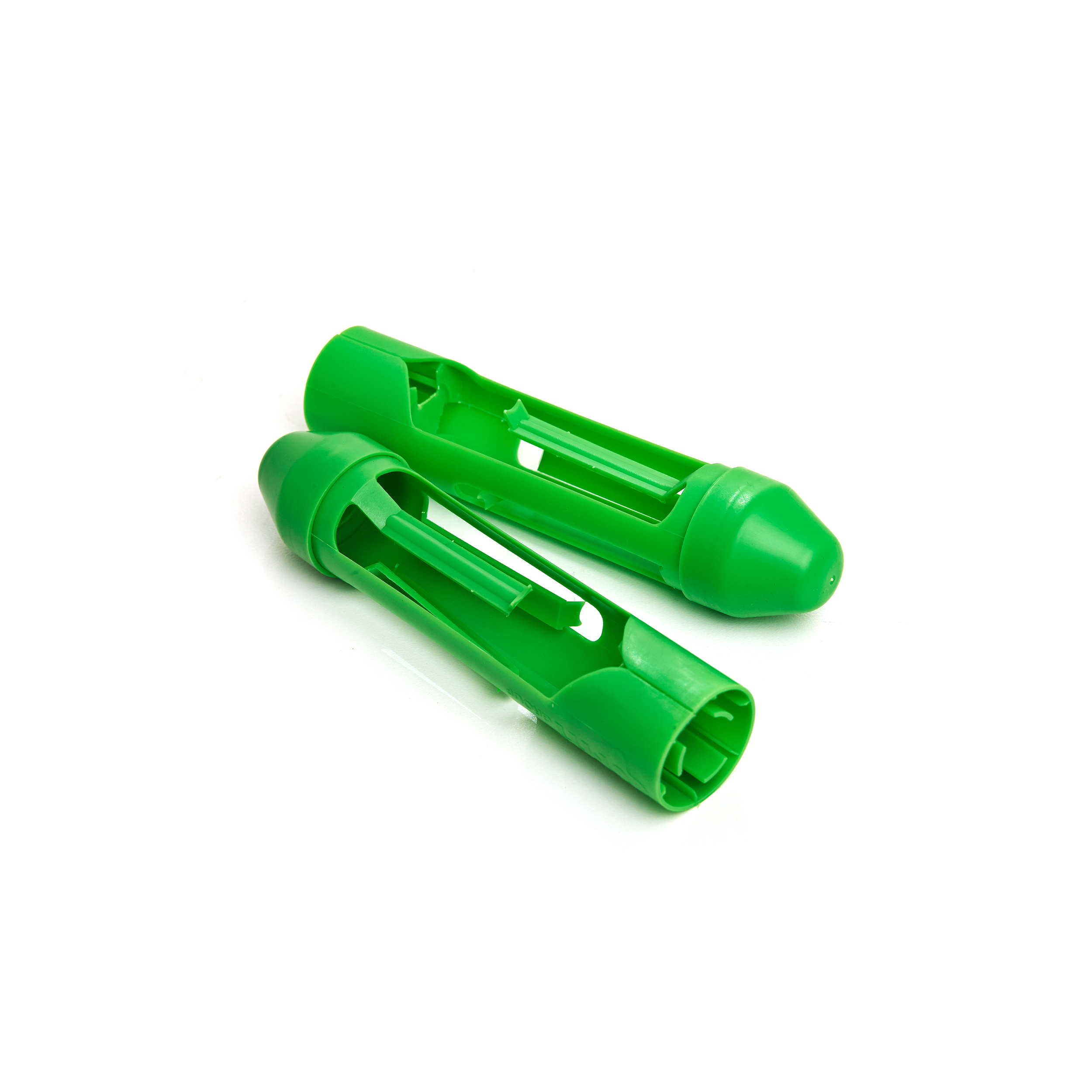
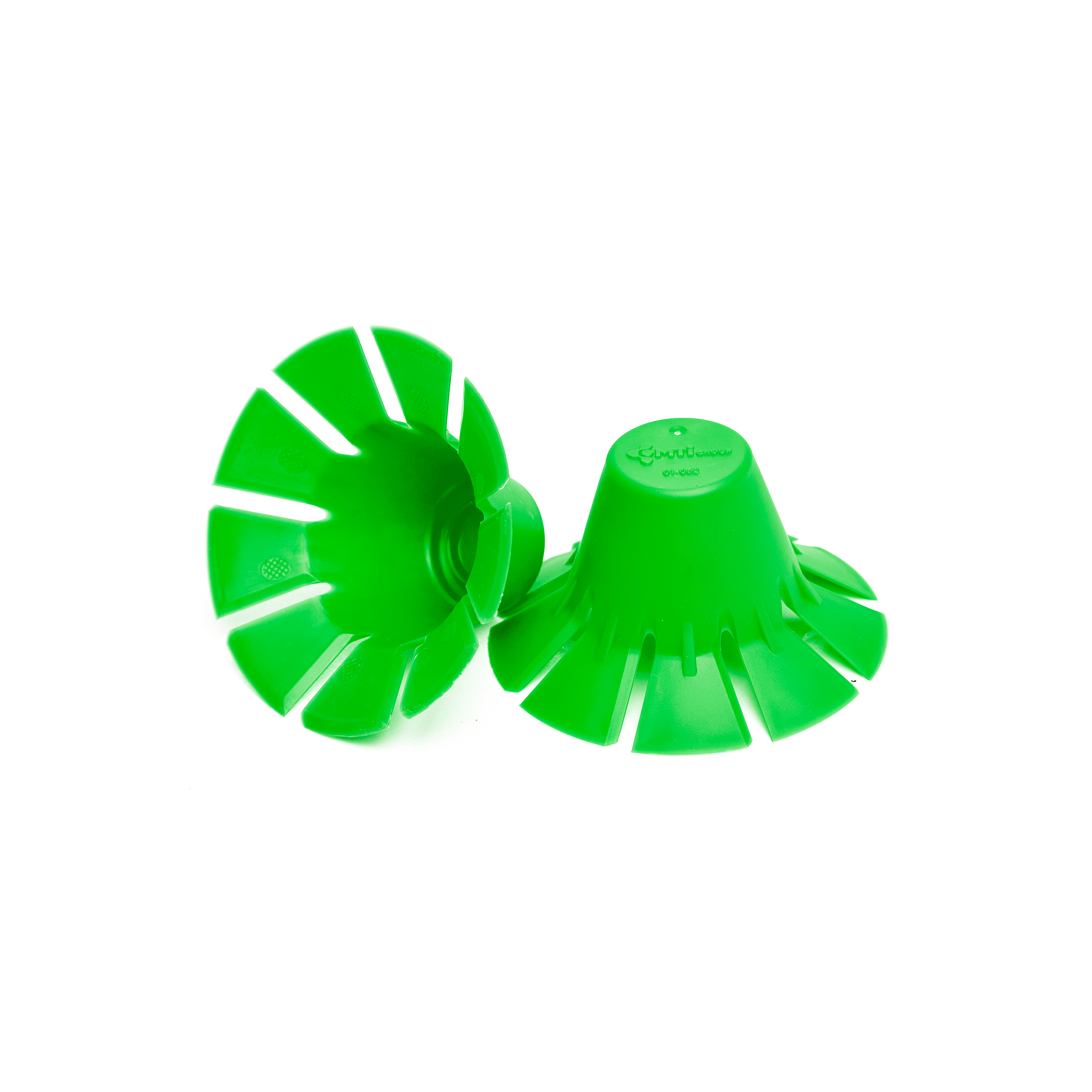
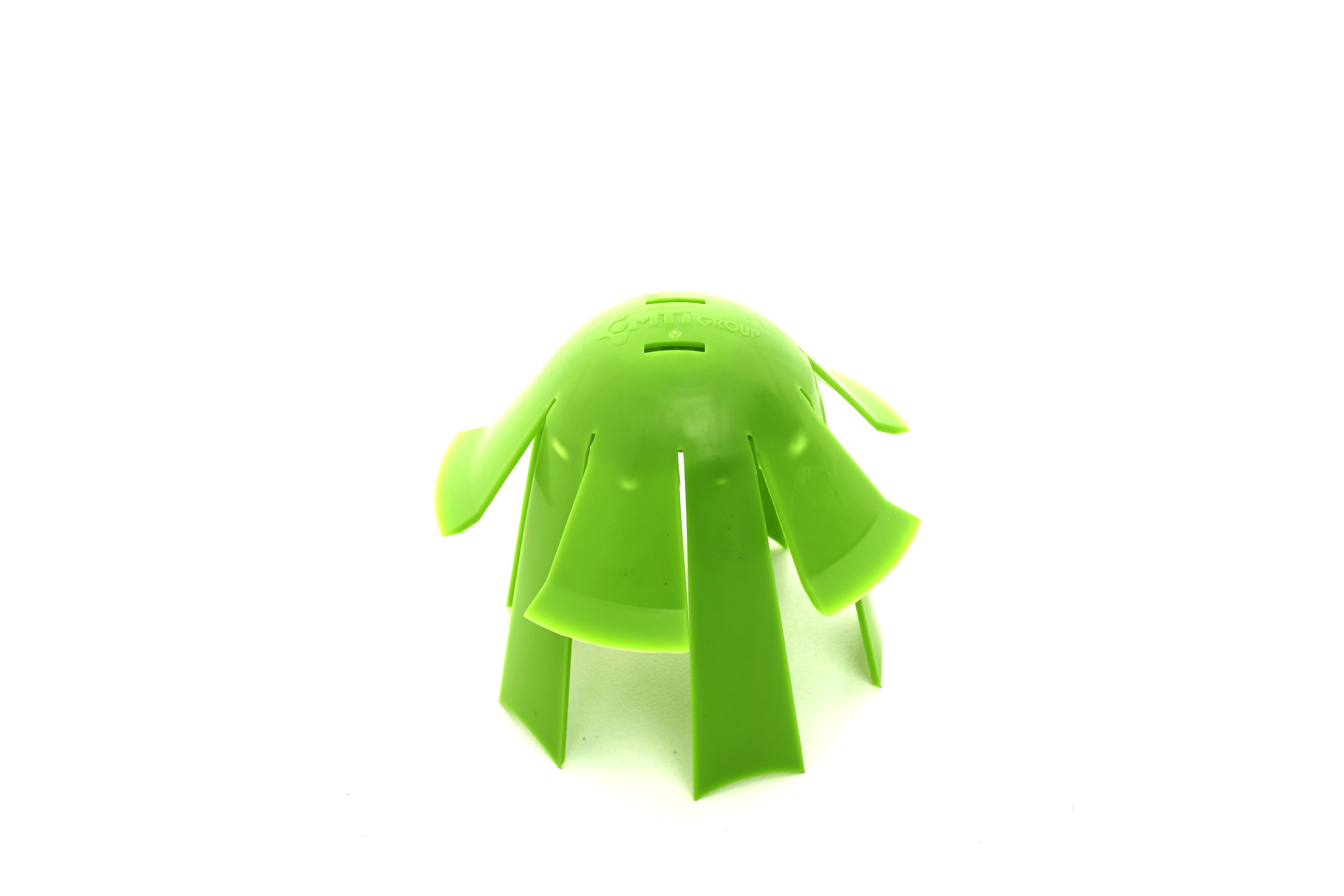
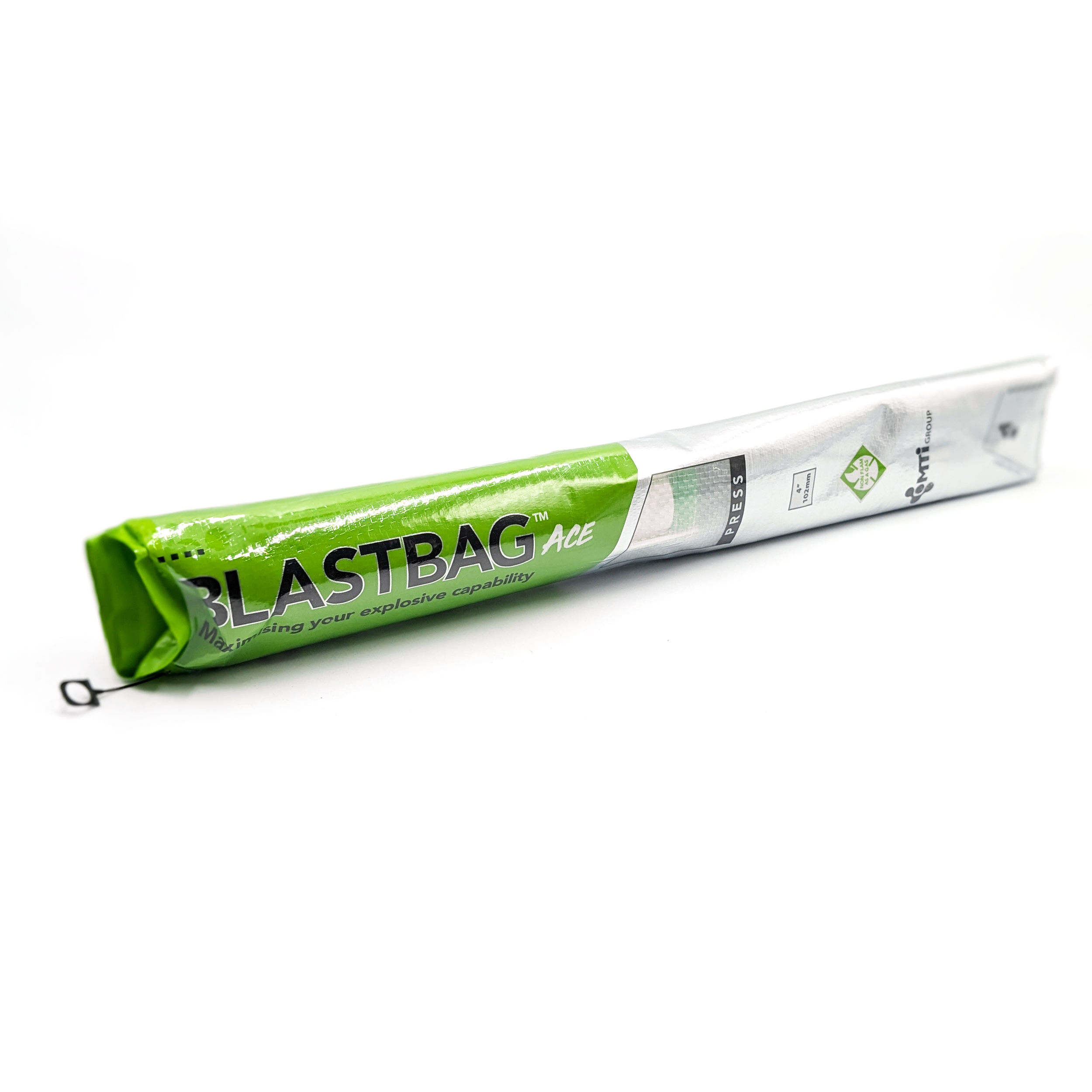
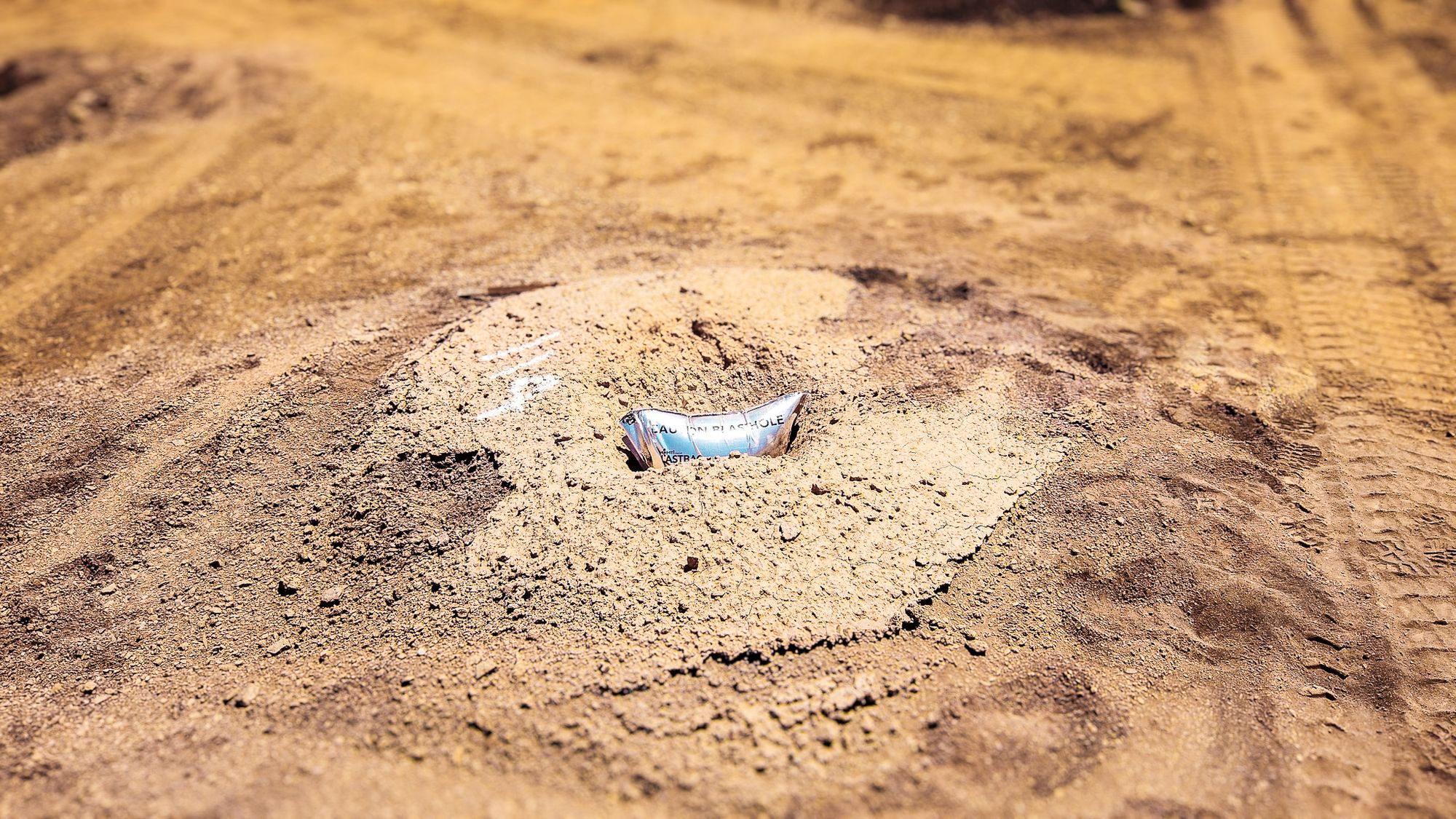
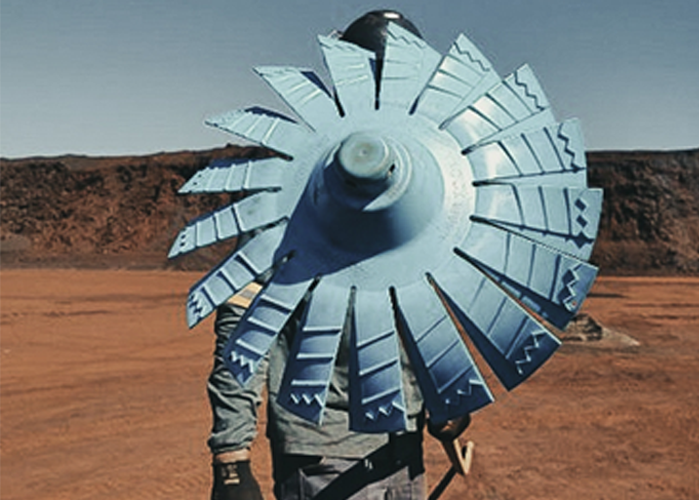
Across the board there were marked improvements in areas using BLASTBAGs in the POC blasts (see graph alongside). For instance there was a 8% reduction in P80 and 21% reduction in XMAX when comparing blasts with BLASTBAGs versus blasts without (reducing dig rates by upto 21%).
From this point they optimised blast design was deployed which delivered even stronger results. With dig rates on average 16% below the current practice benchmark ( although slightly longer than POC 2). This equated to a huge improvement in productivity with a 8% reduction in drill and blast costs (made possible with a smaller powder factor and less drilled meters). In addition instances of flyrock were considerably reduced as was observed in the blasting recordings, indicating that superior confinement was achieved with the use of BLASTBAGs. This was accomplished with airdecks which enabled the reduction in upward pressure on the stemming.
With all success criteria met, the optimised blast design effectively resolving the hard digging issue and additional cost-saving benefits. The miner was extremely pleased with the results and technical support received that they have since adopted airdecking across their production blasts. With hard digging no longer an obstacle, productivity has returned to optimal levels, enabling the efficient extraction of thousands more holes.
.jpg)
Project Powered By:
Australia (WA)
Australia (NSW)
Australia (QLD)
United States
South Africa
Site links
- Home
- products
- Site Services
- Case Studies
- Contact Us
- Inflatable Plugs
- Technology
- Blasthole liners
- In-hole accessories
- Bench accessories
- Delineation
- Inflation Equipment
- Measuring
- products
- Site Services
- Case Studies
- Blastbags
- Blastscout
- Blastshield
- Spiders