





_trans_2500x2500.png)















.jpg)

.jpg)






Preserving Pitwalls with airdecking
Background
The Challenge
Slope stability is a major concern in mining operations due to its impact on the safety of personnel, equipment, and infrastructure. It also significantly affects the operation's ability to achieve its intended pit geometry, essential for realising the full potential of the reserves.
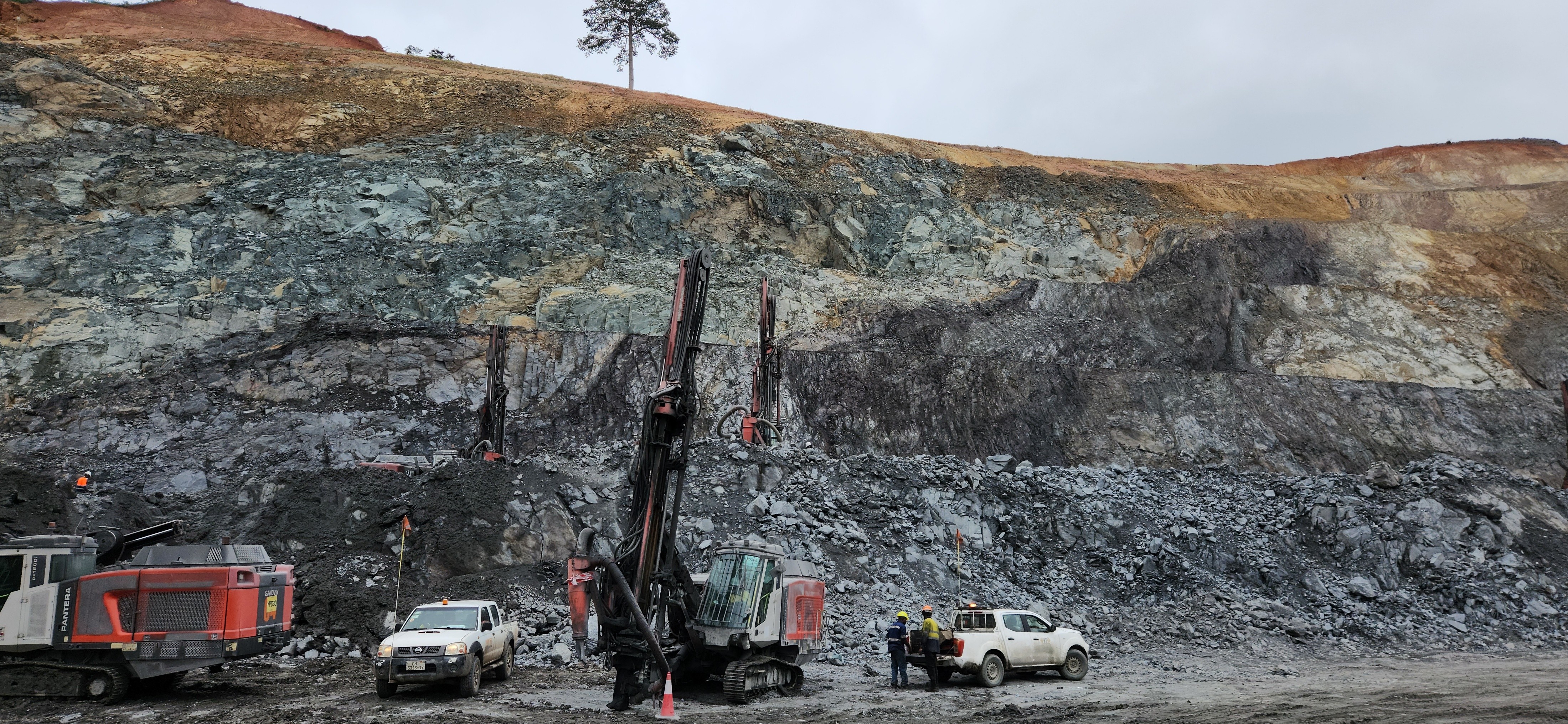
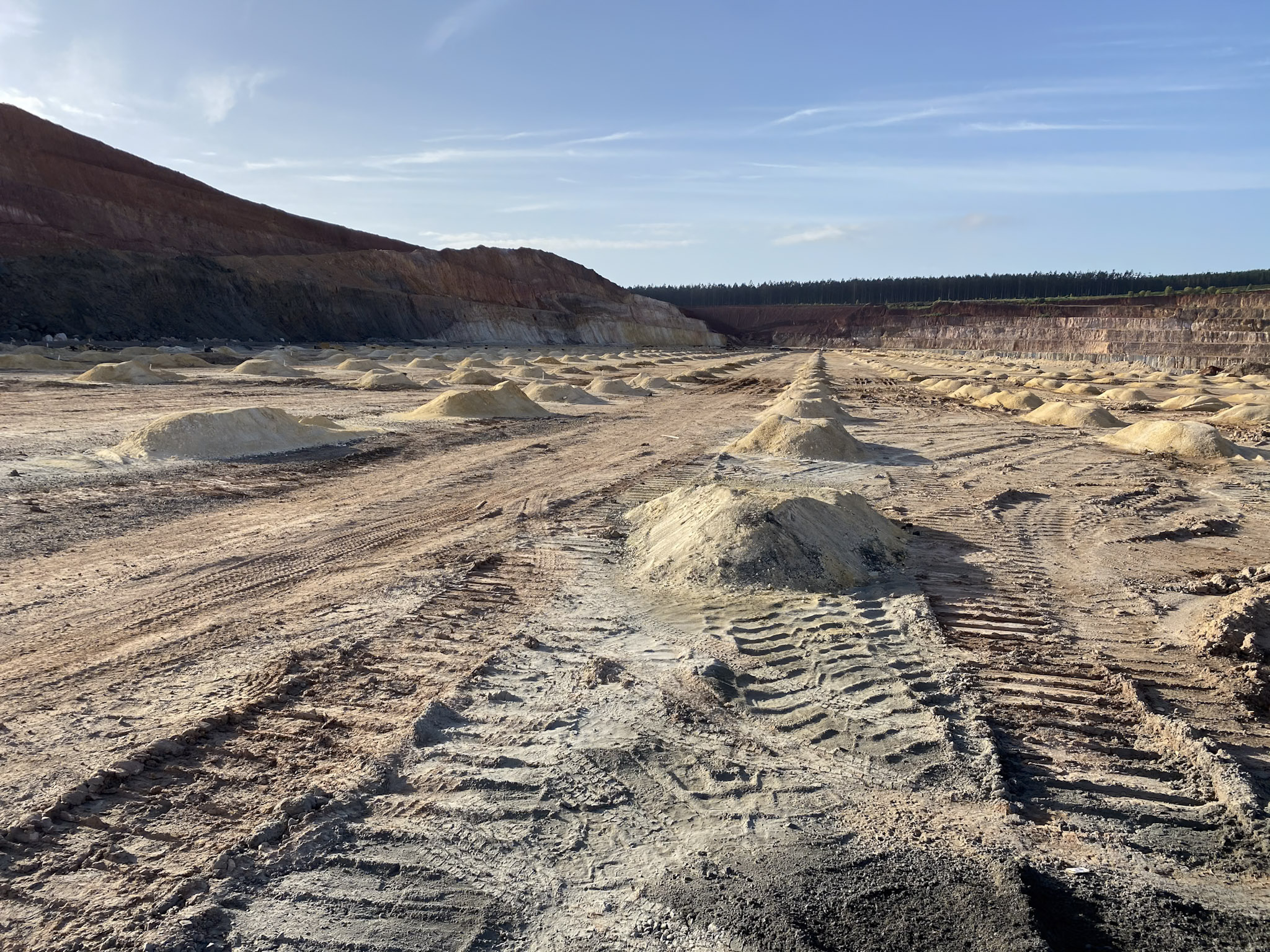
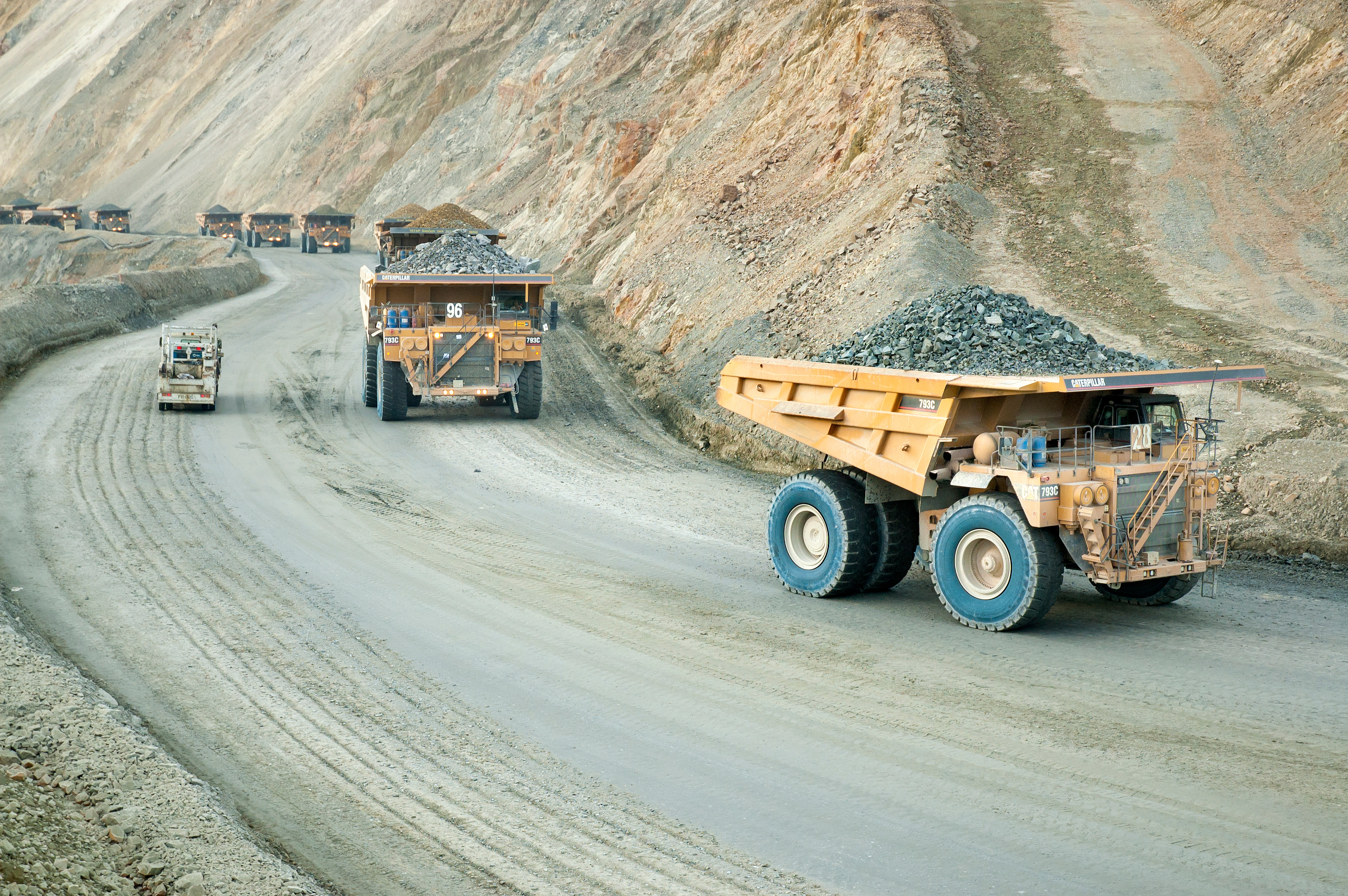
At a large copper mine in South America, our client faced severe issues with the stability of the final pit walls due to blasting operations. This instability created a hazardous environment with the risk of falling rock, endangering workers and equipment. Furthermore, the damage to the pit walls compromised adherence to the planned geometry, potentially resulting in reserve value losses, increased stripping ratios, dilution, and ore loss at the bottom of the planned pit.
Loading and hauling operations were impacted as trucks now had to carry additional material to produce the same amount of ore. Similarly, processing was affected, with plants needing to handle more waste due to the damaged slopes.
To address the issue, the mine tried pre-splitting, which helped but didn’t fully resolve the back wall damage. After consulting with Enaex and MTi Group, they found a more effective solution for better blast control.
The Solution
As part of MTi and Enaex’s approach, it was proposed a systematic assessment of the rock and blasting conditions be undertaken. This study aimed to be comprehensive and would include seismic testing, modeling, simulated scenarios, and conducting field tests based on the best simulated result.
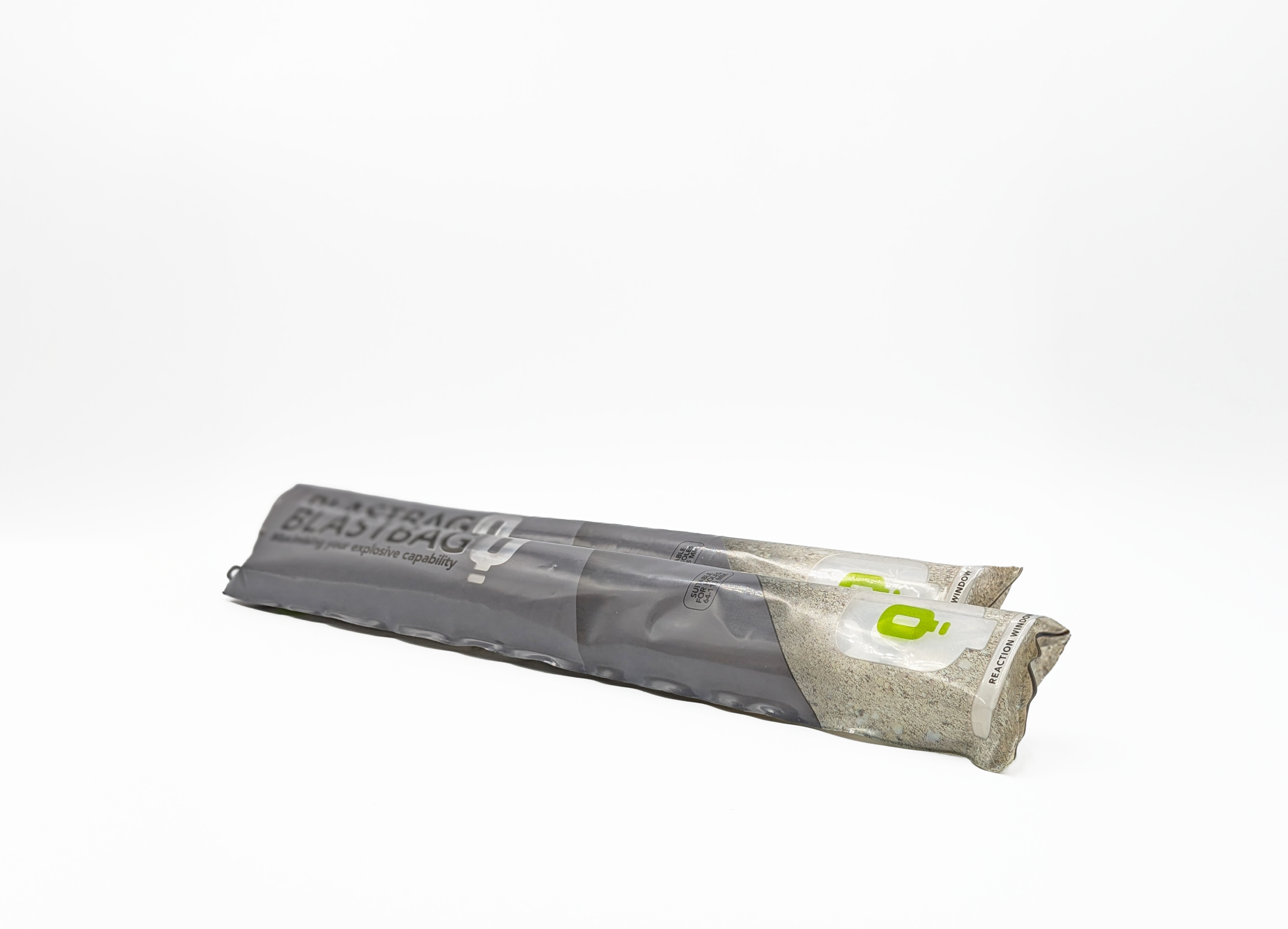
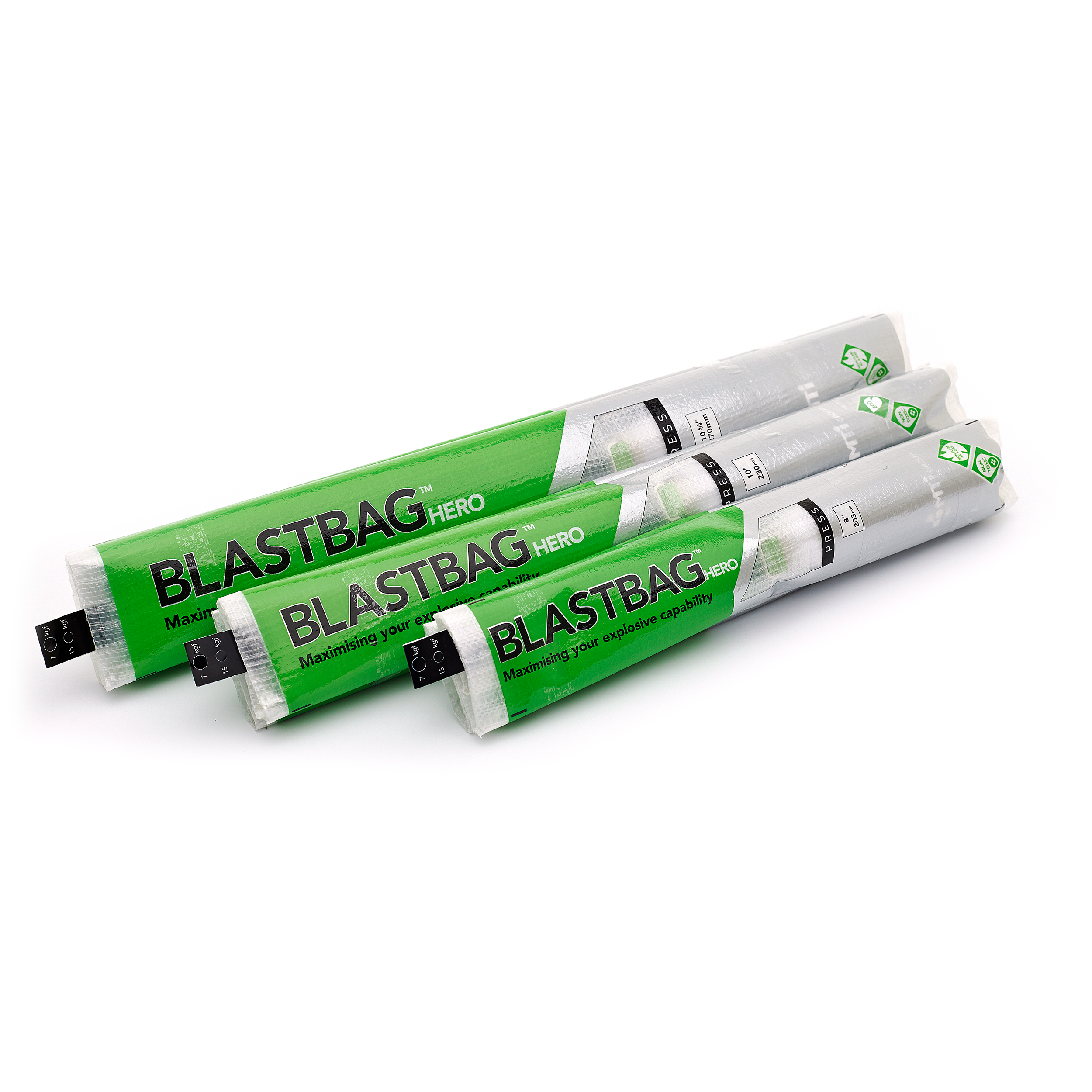
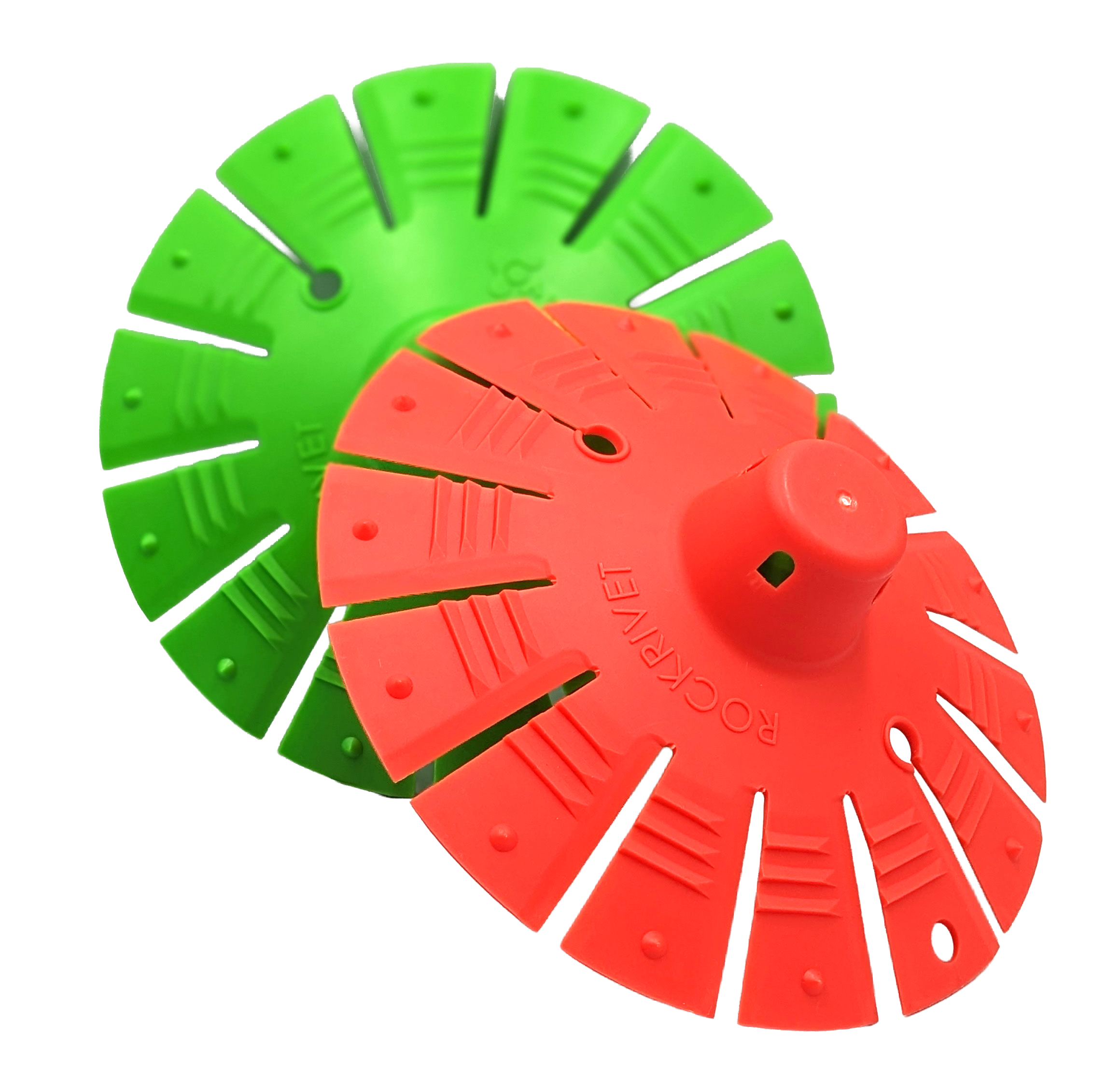
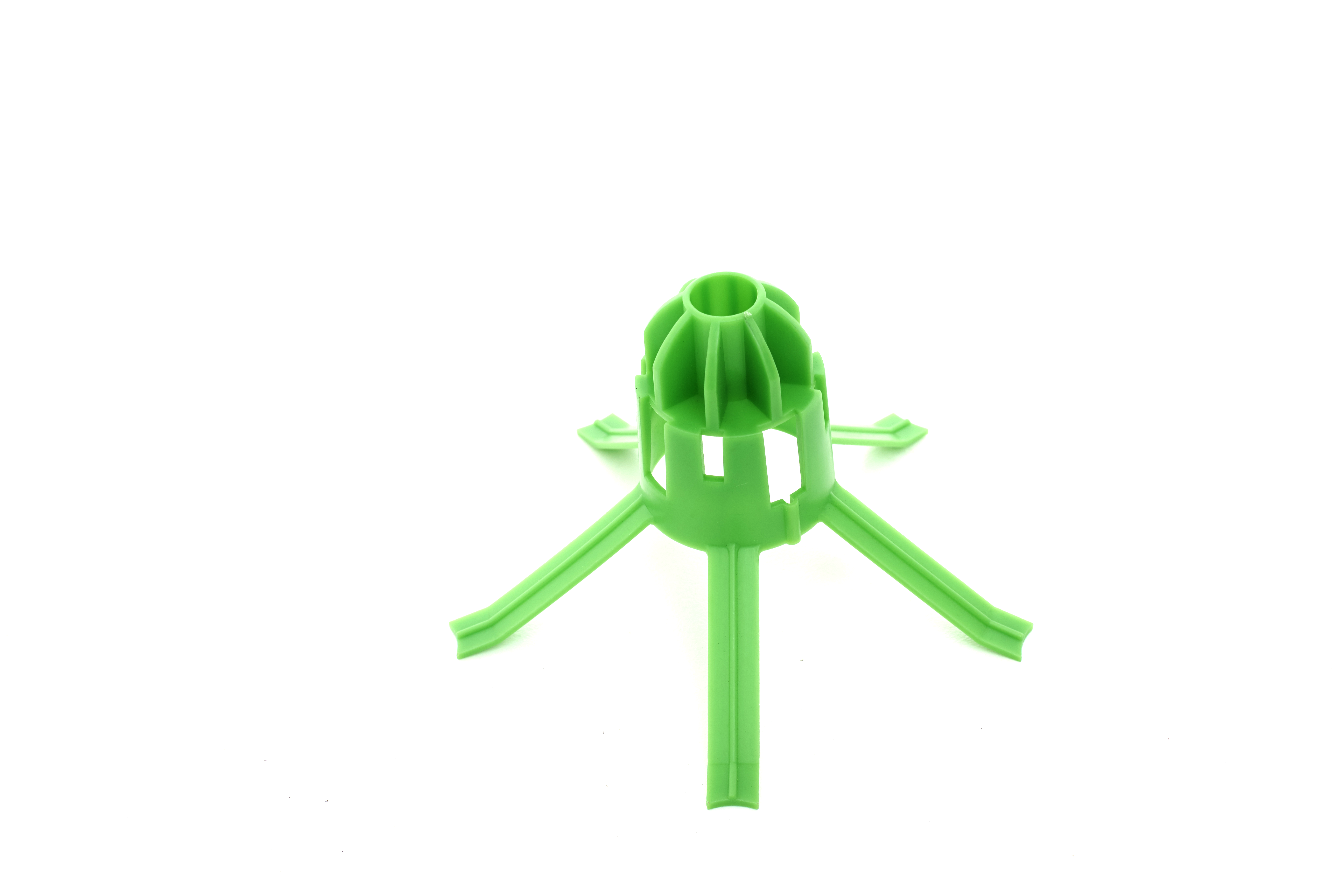
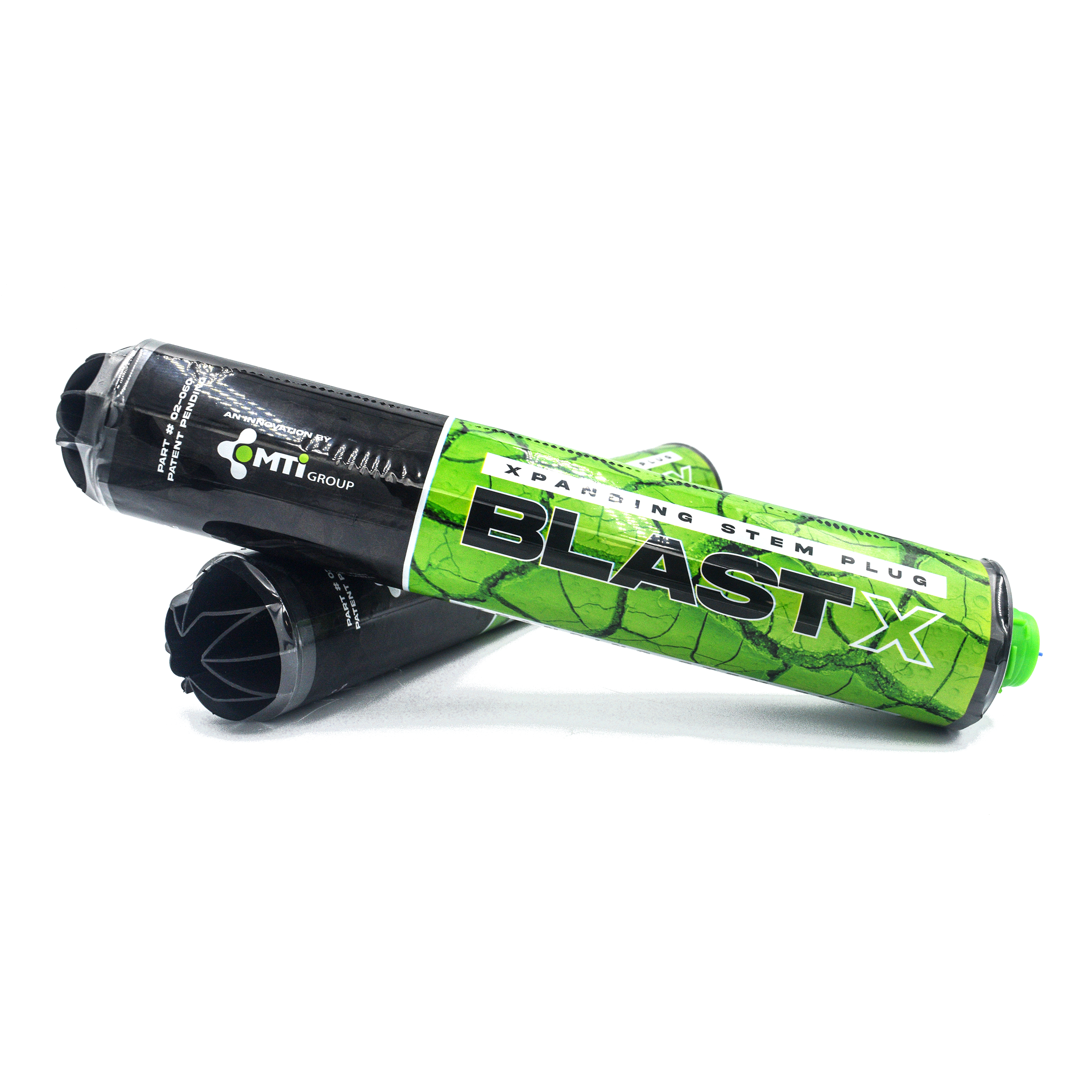
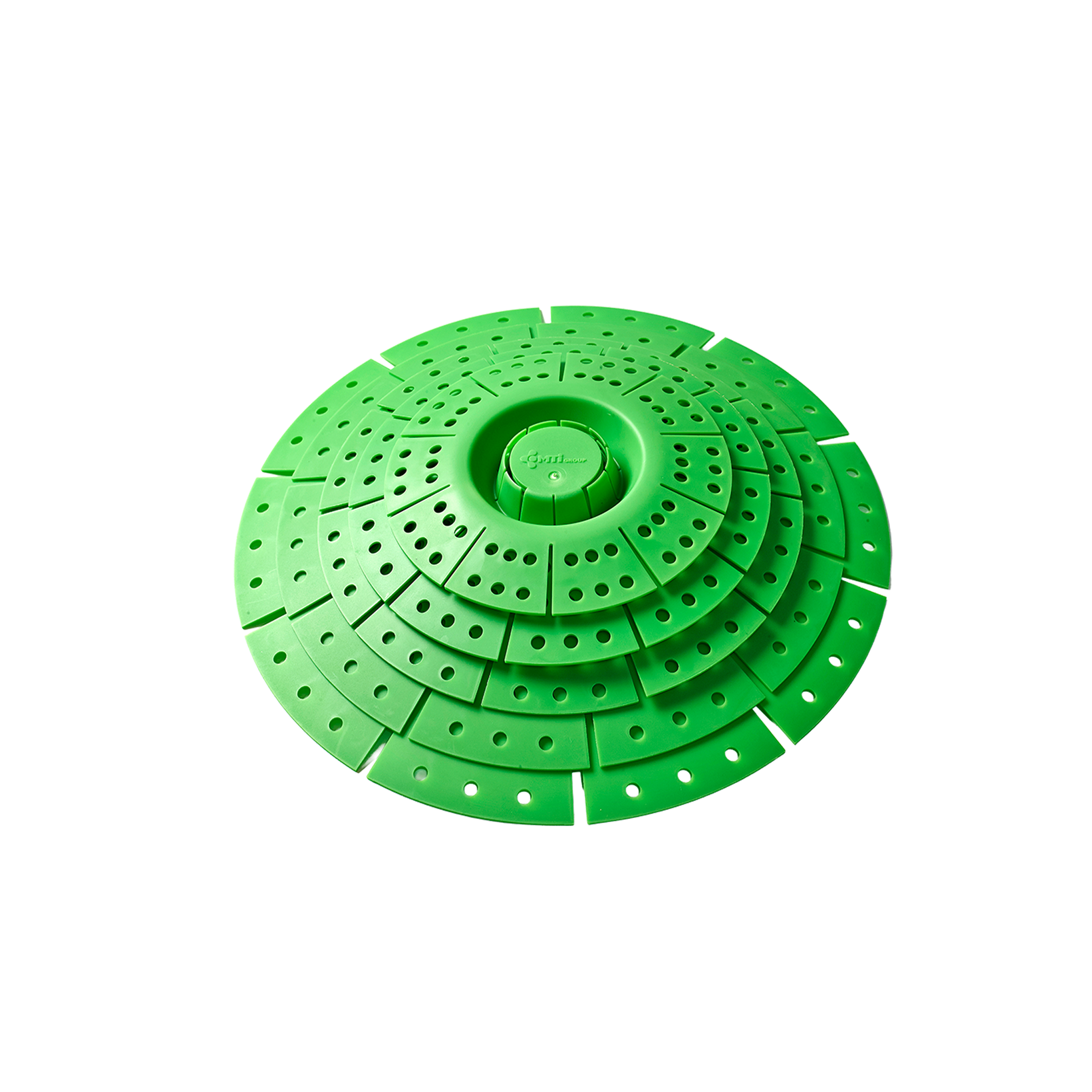
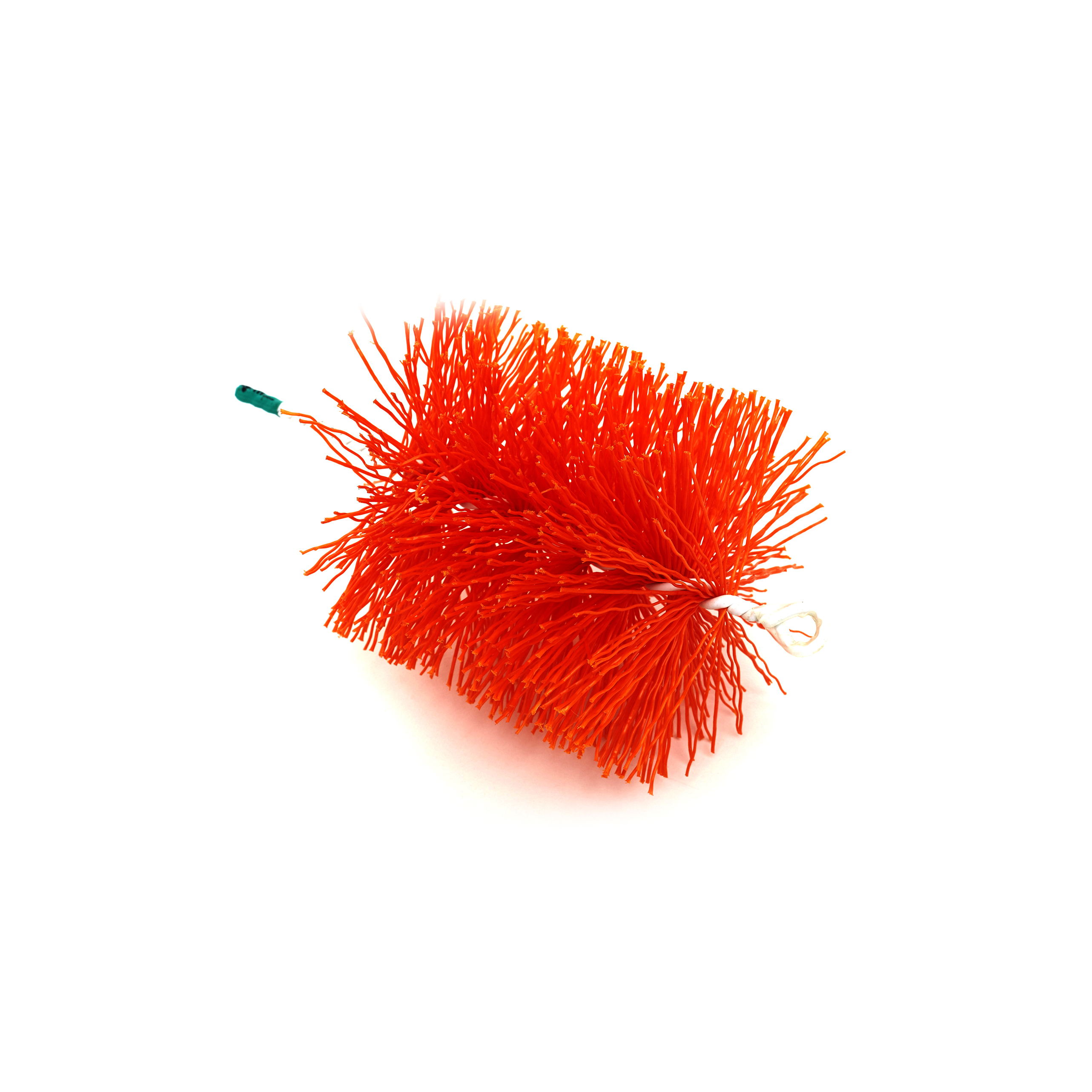
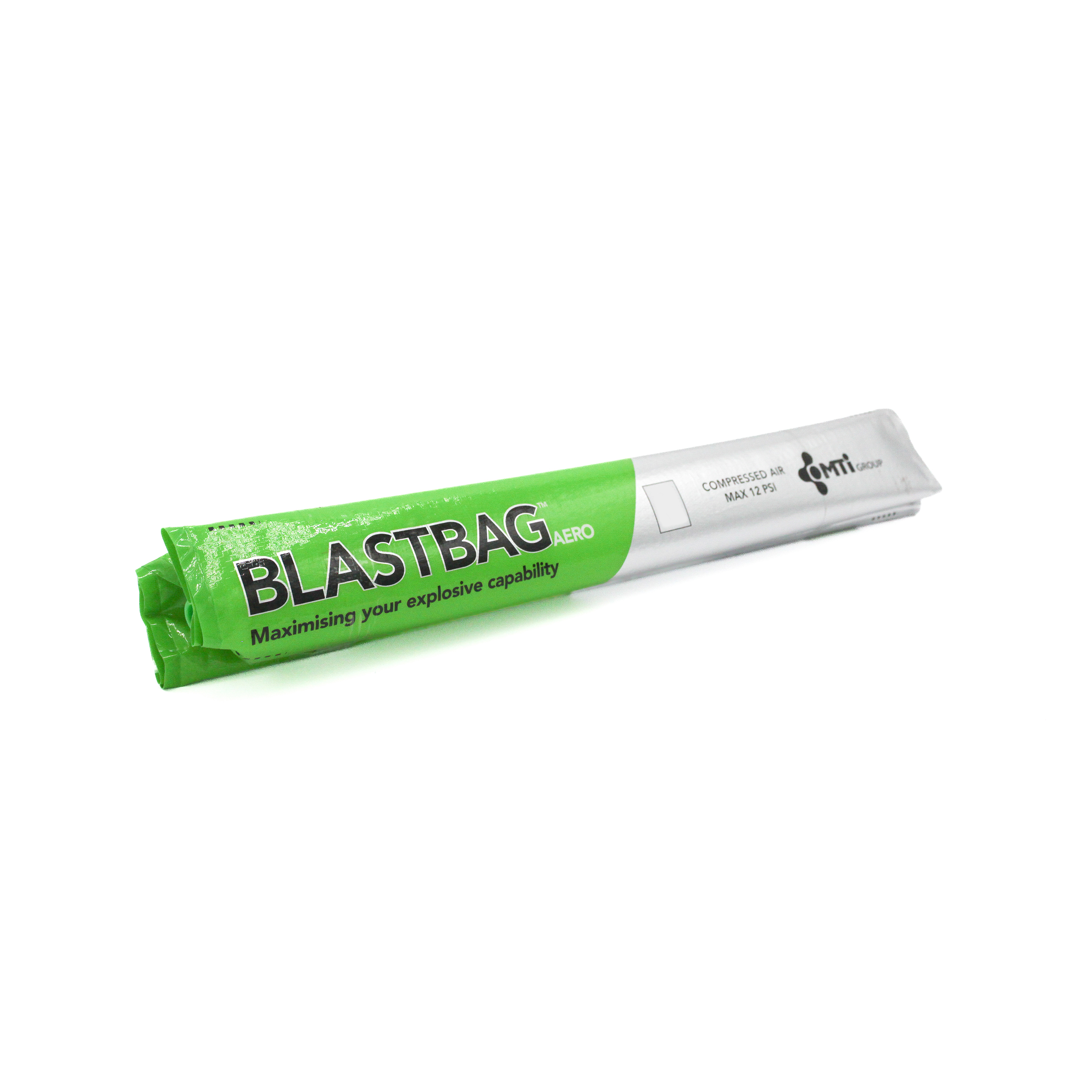
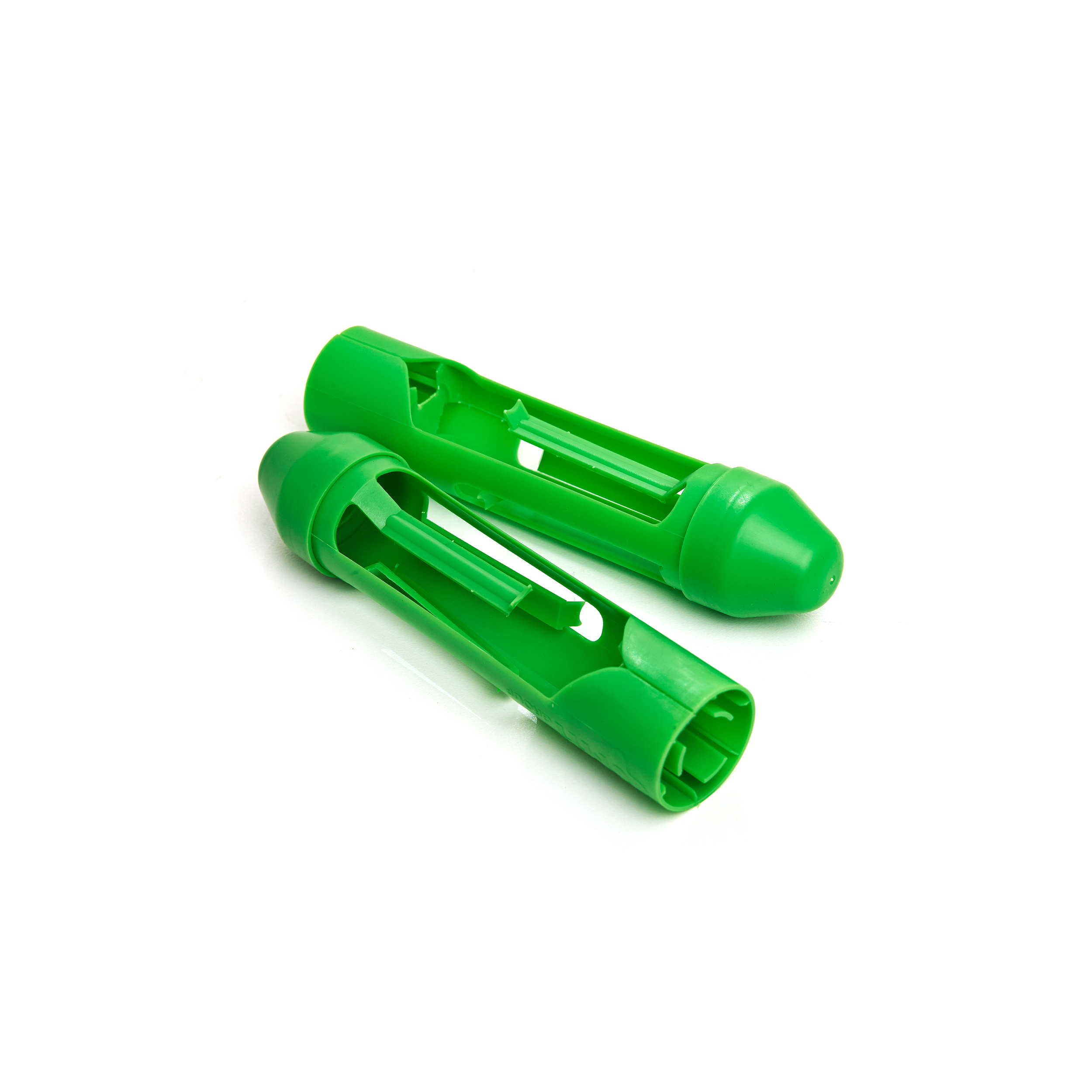
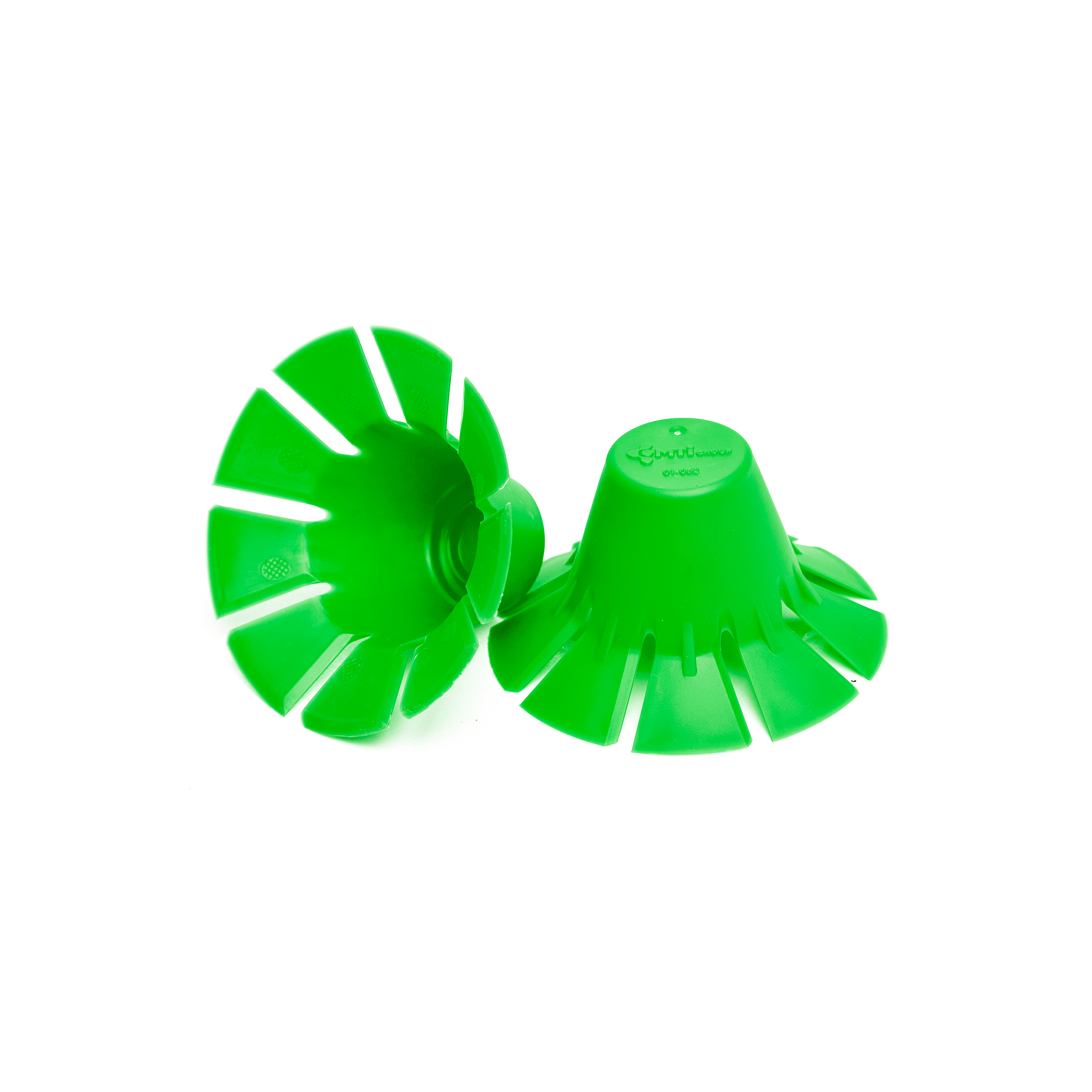
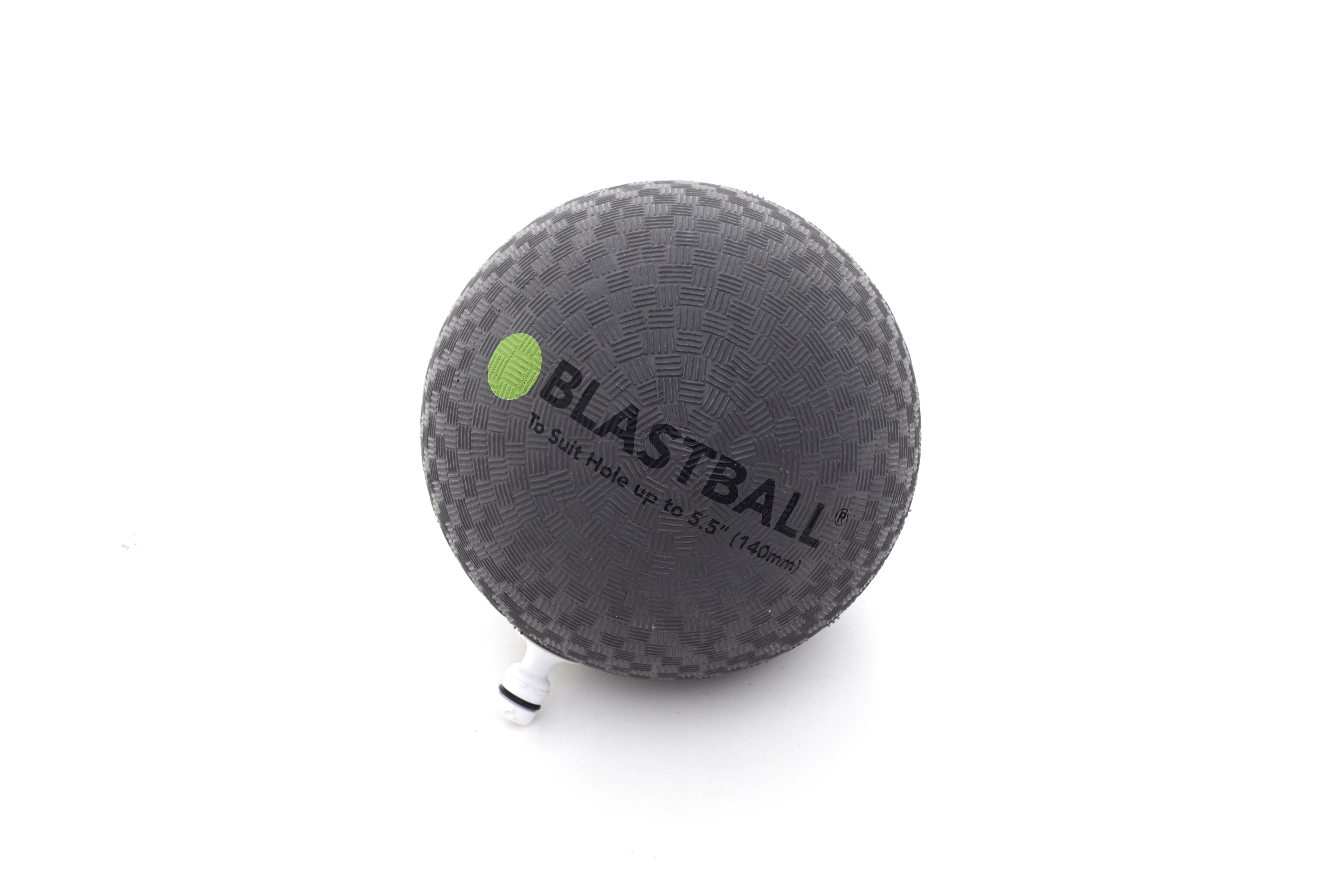
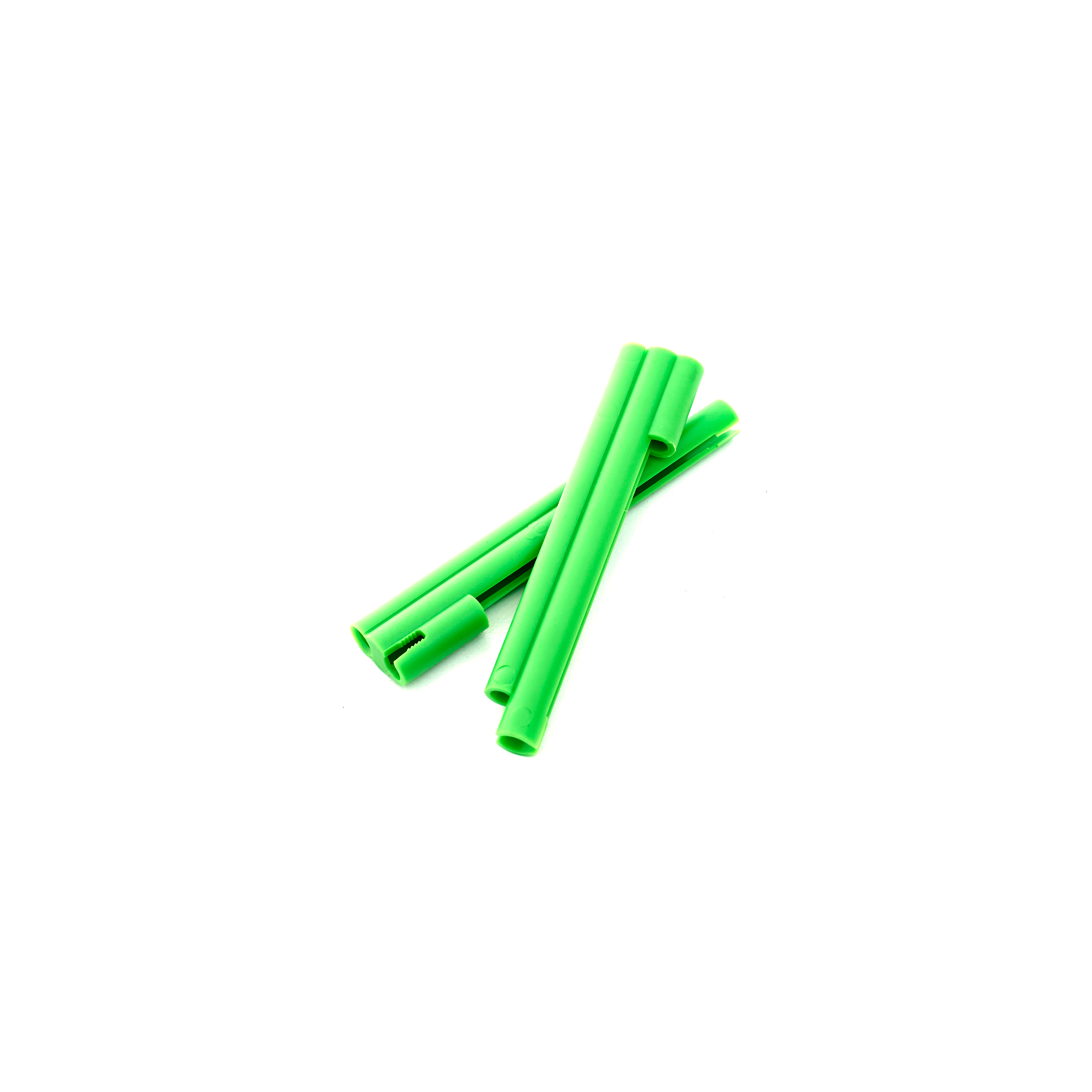
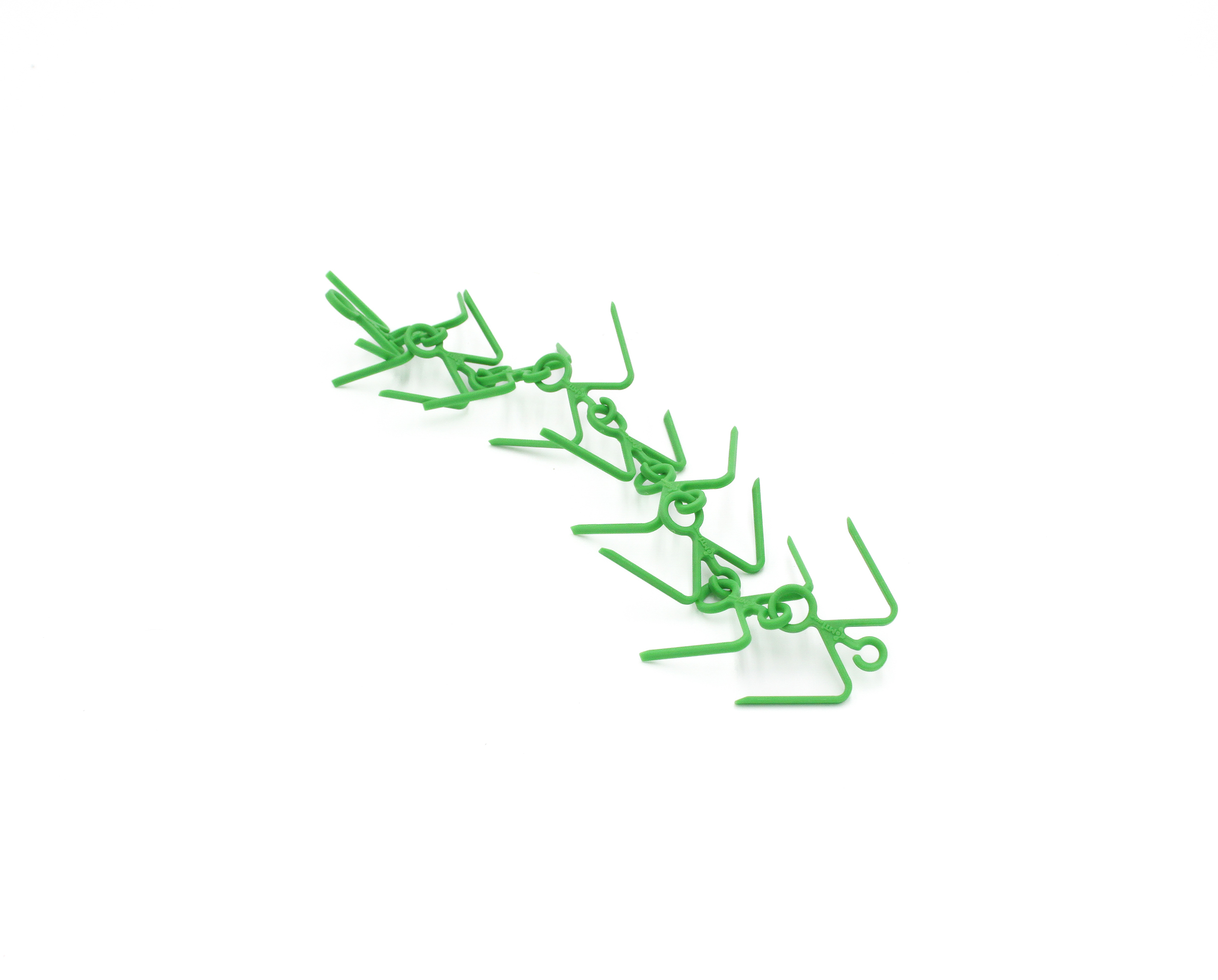
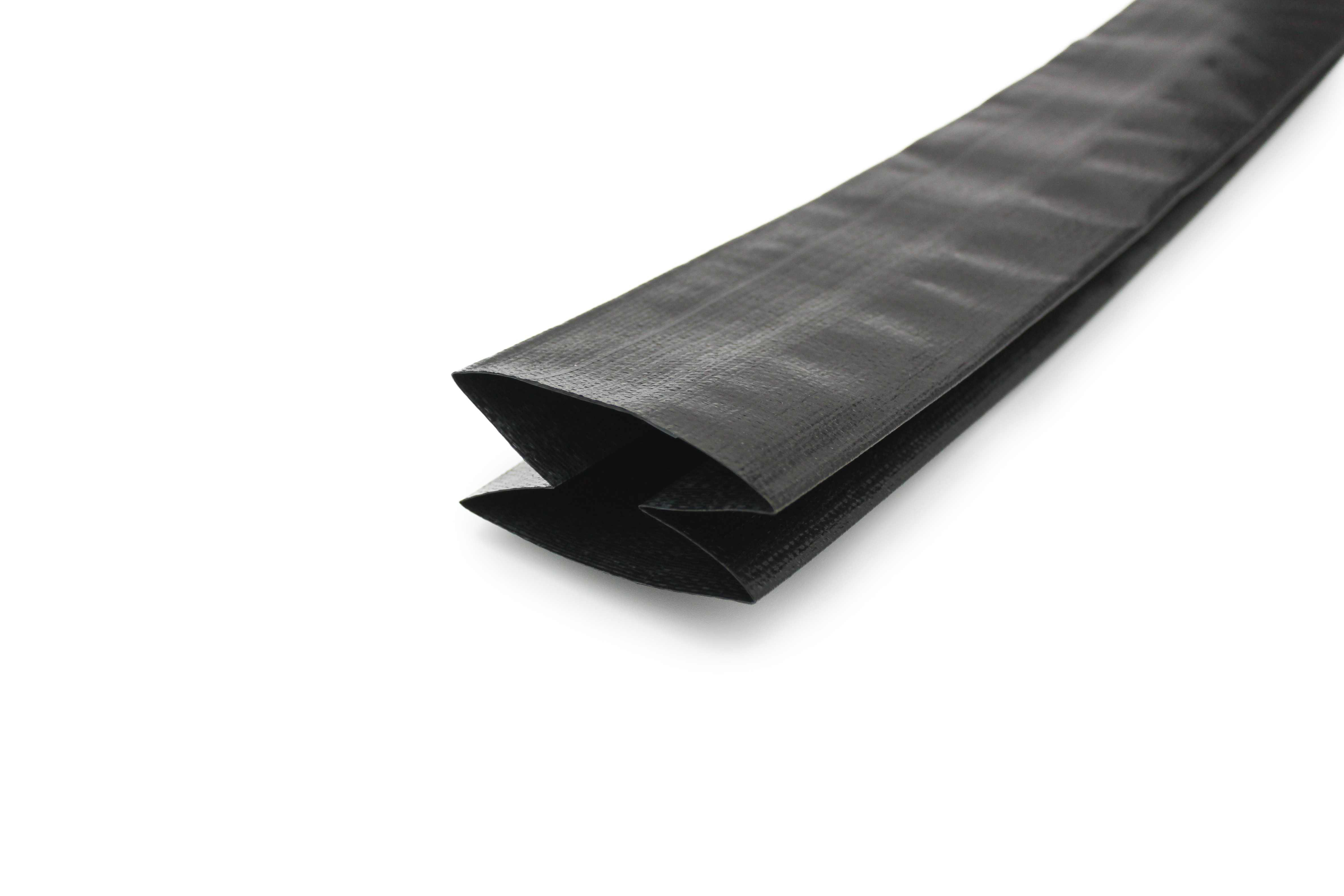
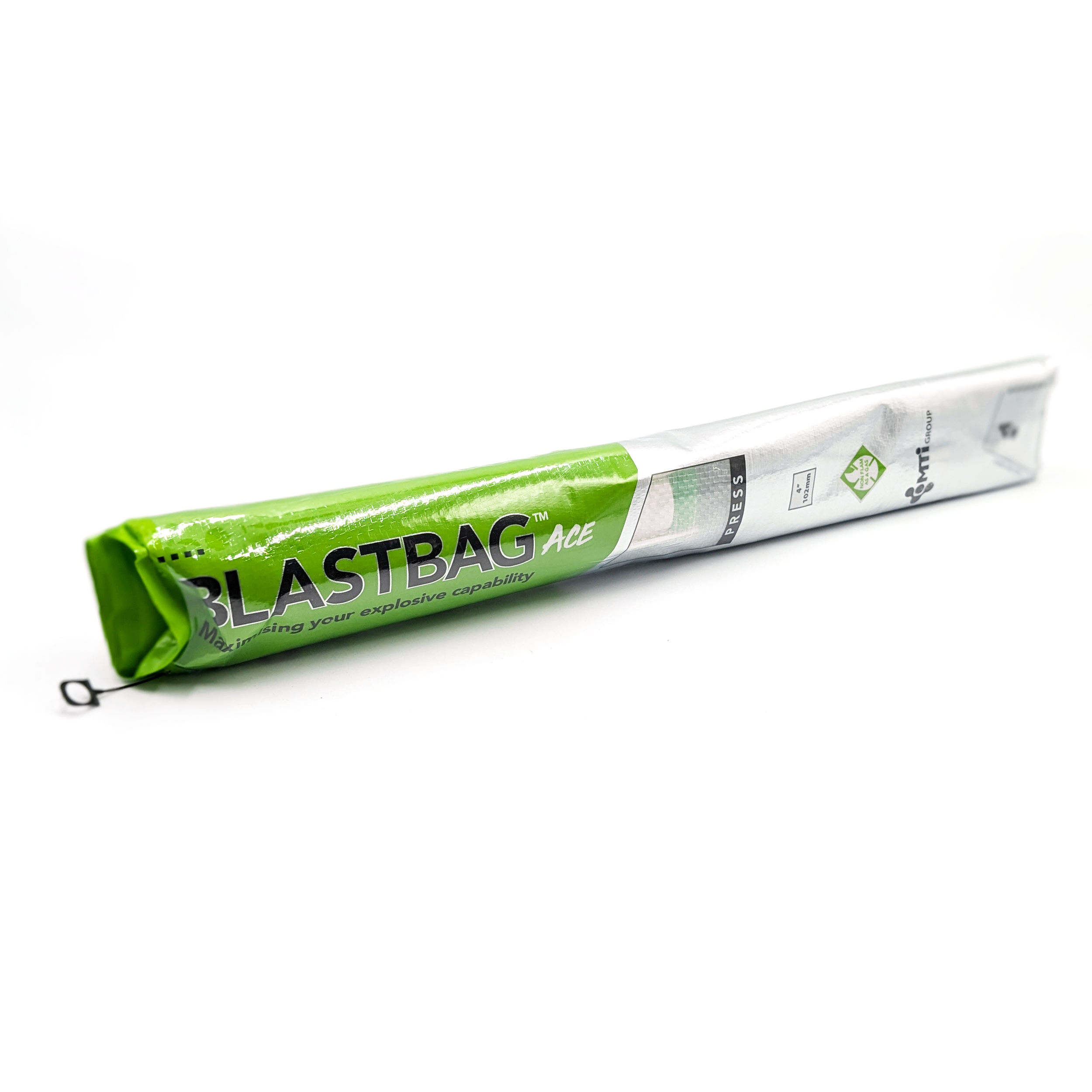
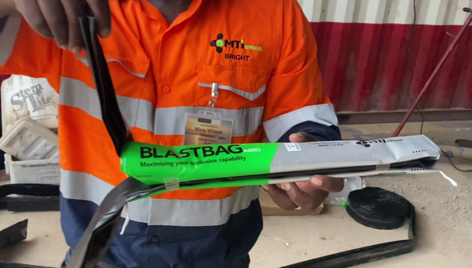
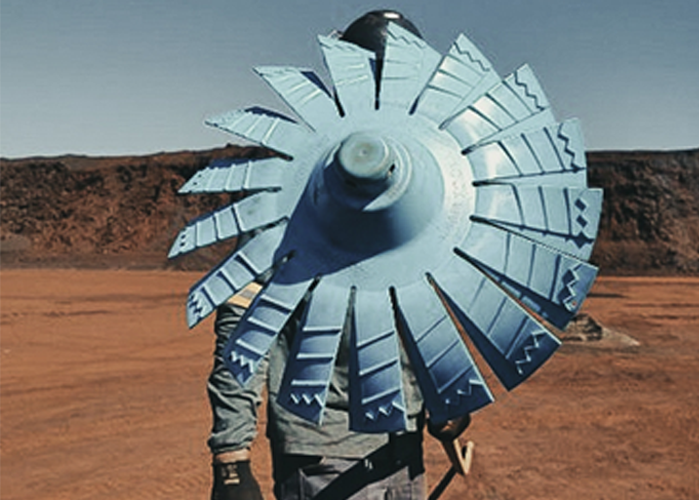
In light of the seismic results and simulations, it was evident that the best model would involve introducing air decks into the buffer rows. These would be created using MTi Blastbags, which would support stemming material, allowing for a reduced explosive charge in the column. This approach would improve explosive energy distribution and minimise damage to the walls.
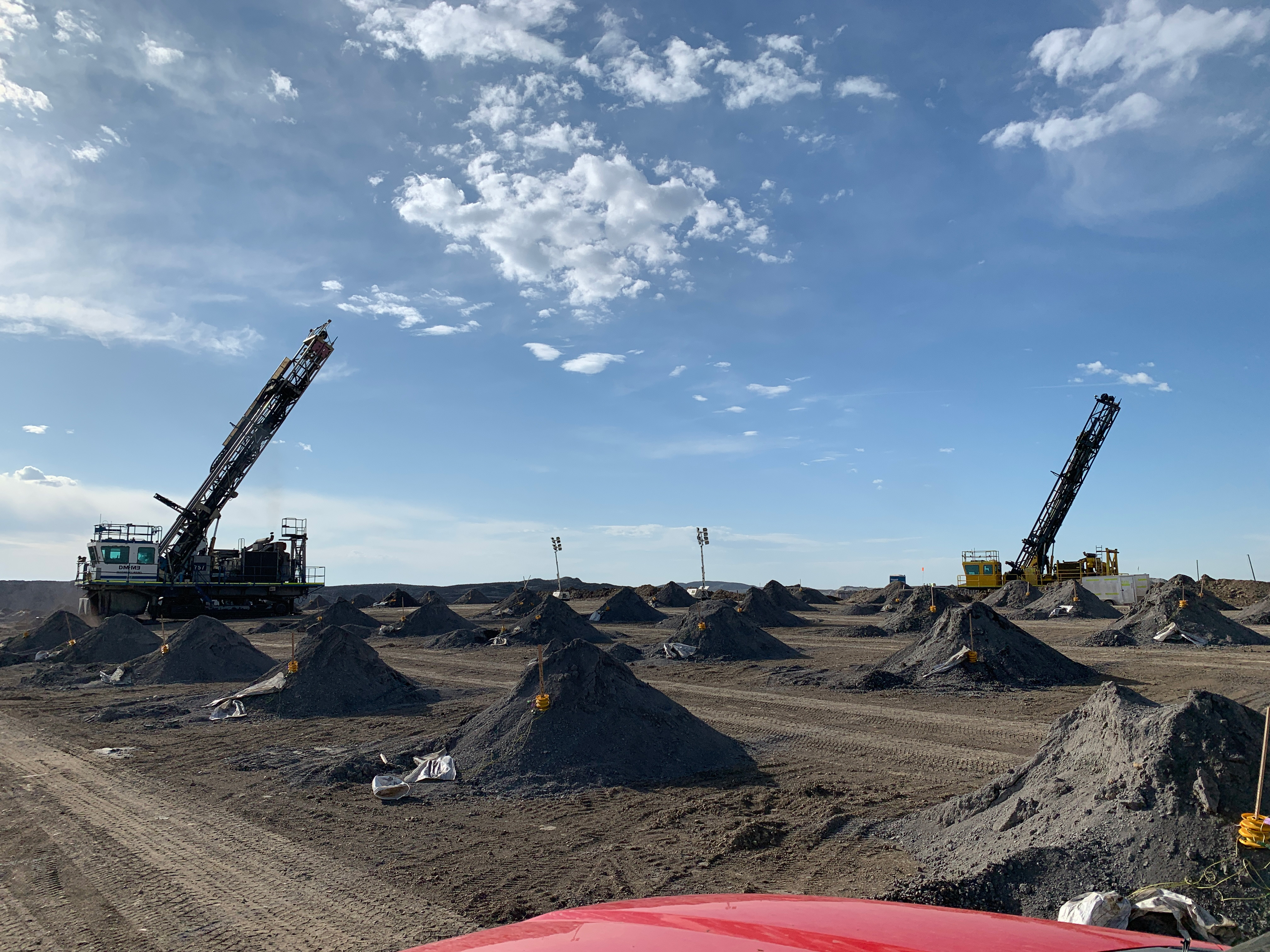
To test this hypothesis a series of field trials were conducted. These tests would measure the damage to pit walls caused by two different blast configurations- BLAST 2 (no decking - the control) and BLAST 1 (with air decks incorporated in the buffer rows).
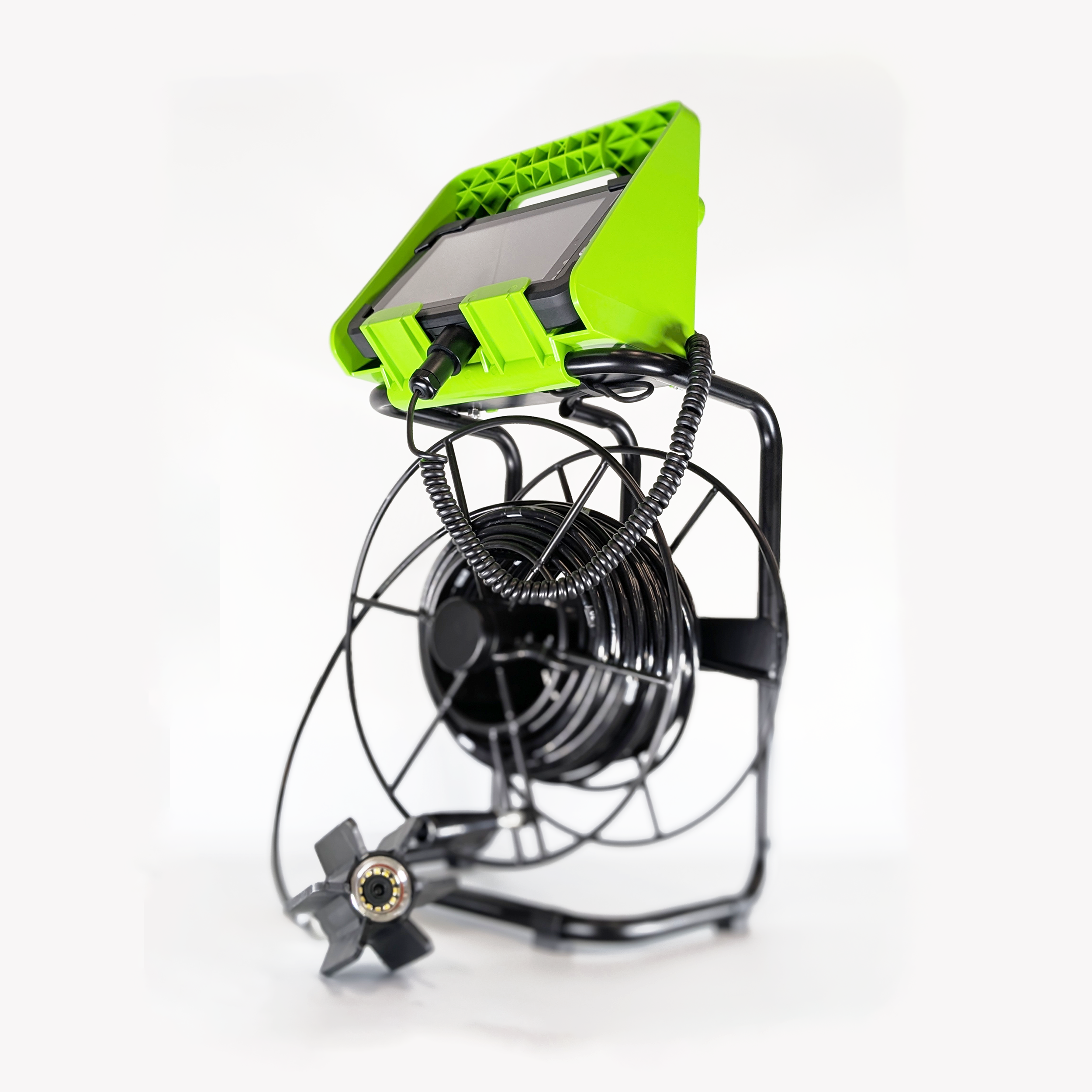
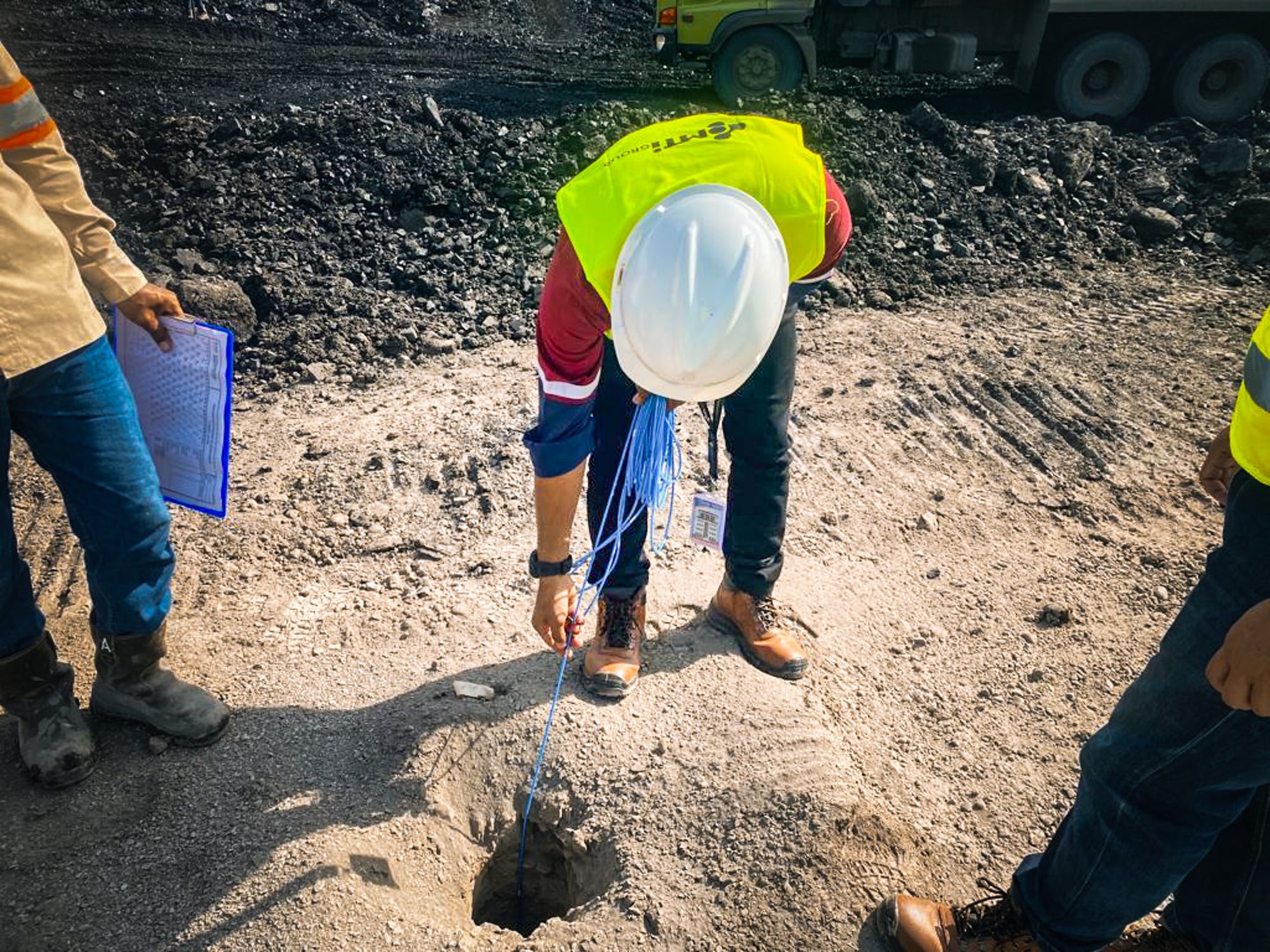
Damage would be observed at the face of the walls and via borehole camera inspections. Witness holes drilled upstream from the test blasts would allow for the holes to be surveyed.
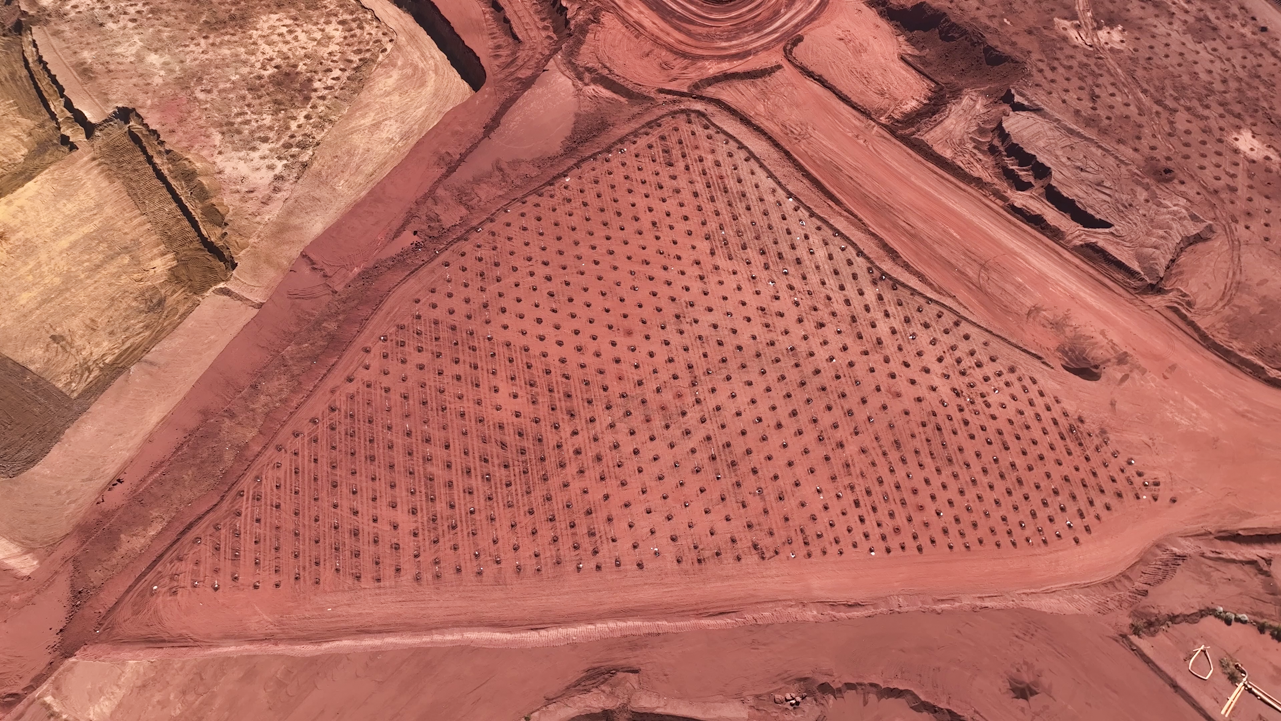
The test blasts involved over 800 holes, spread across a 13x14 ft bench pattern, with 32.8 ft long holes with a diameter of 6 ³/4 inches.
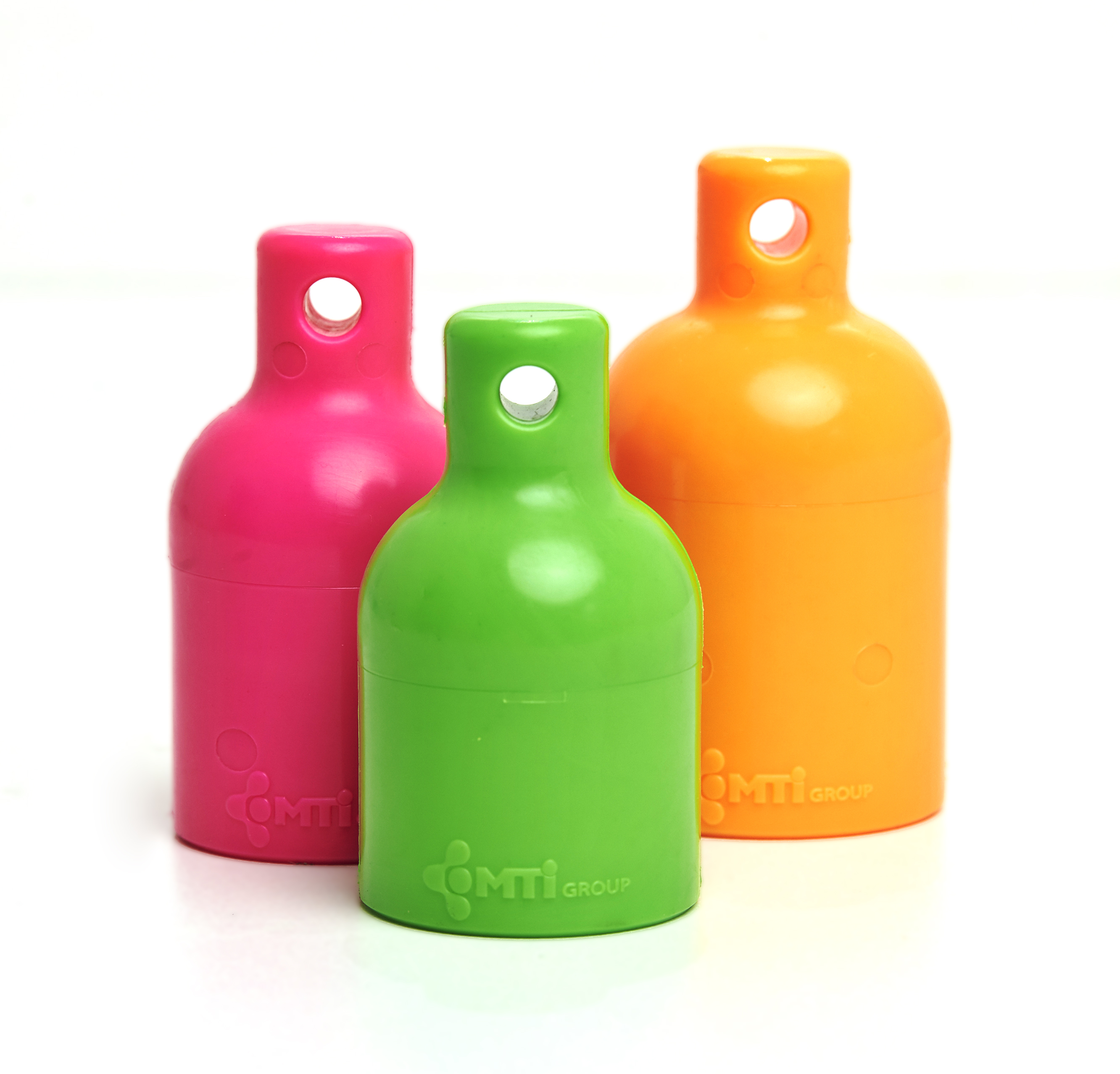
Blast 1 introduced 3m air decks created using MTi Blastbag in the buffer rows. Blastbags were selected for their reliability and ease of use. With a reputation for supporting high loads without failing.
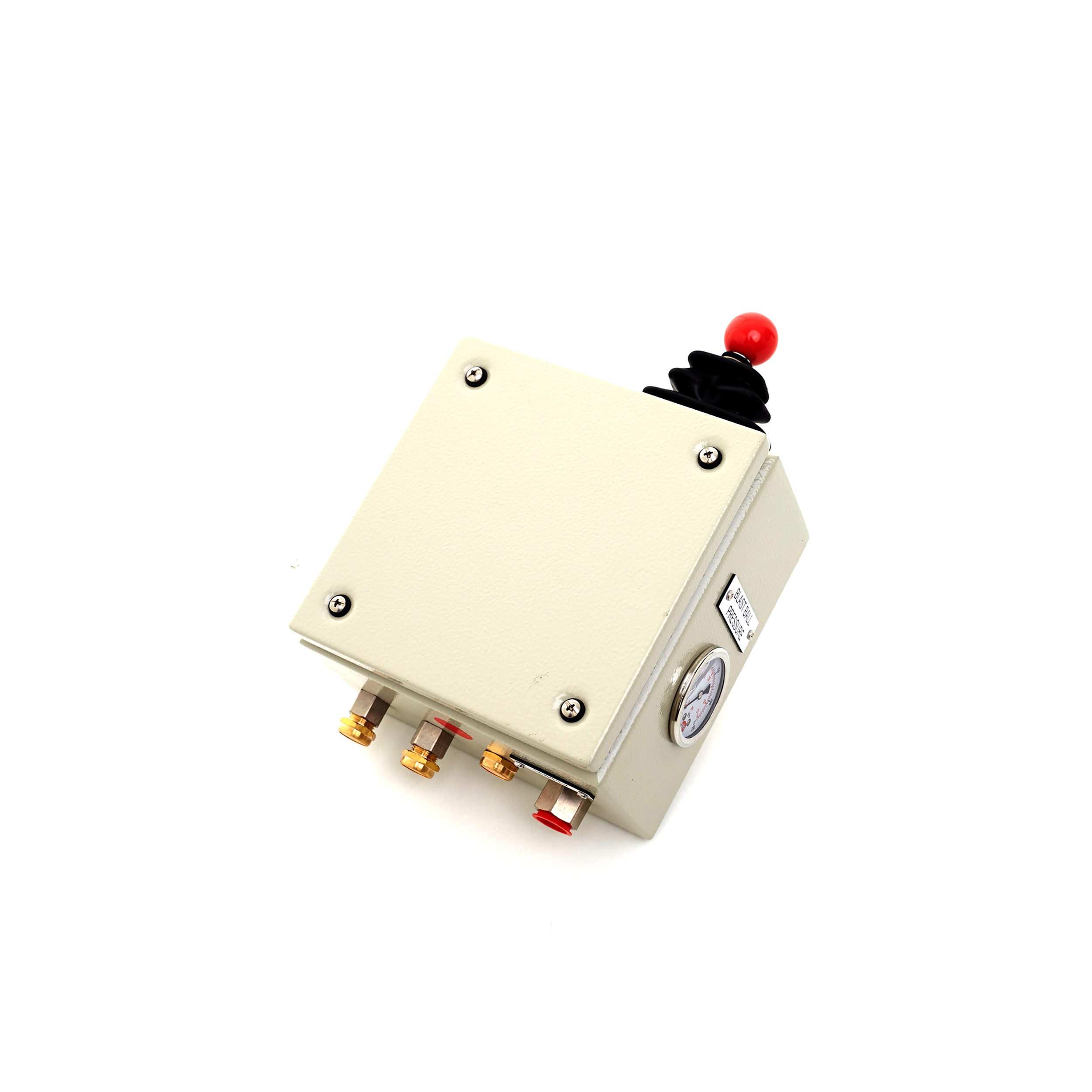
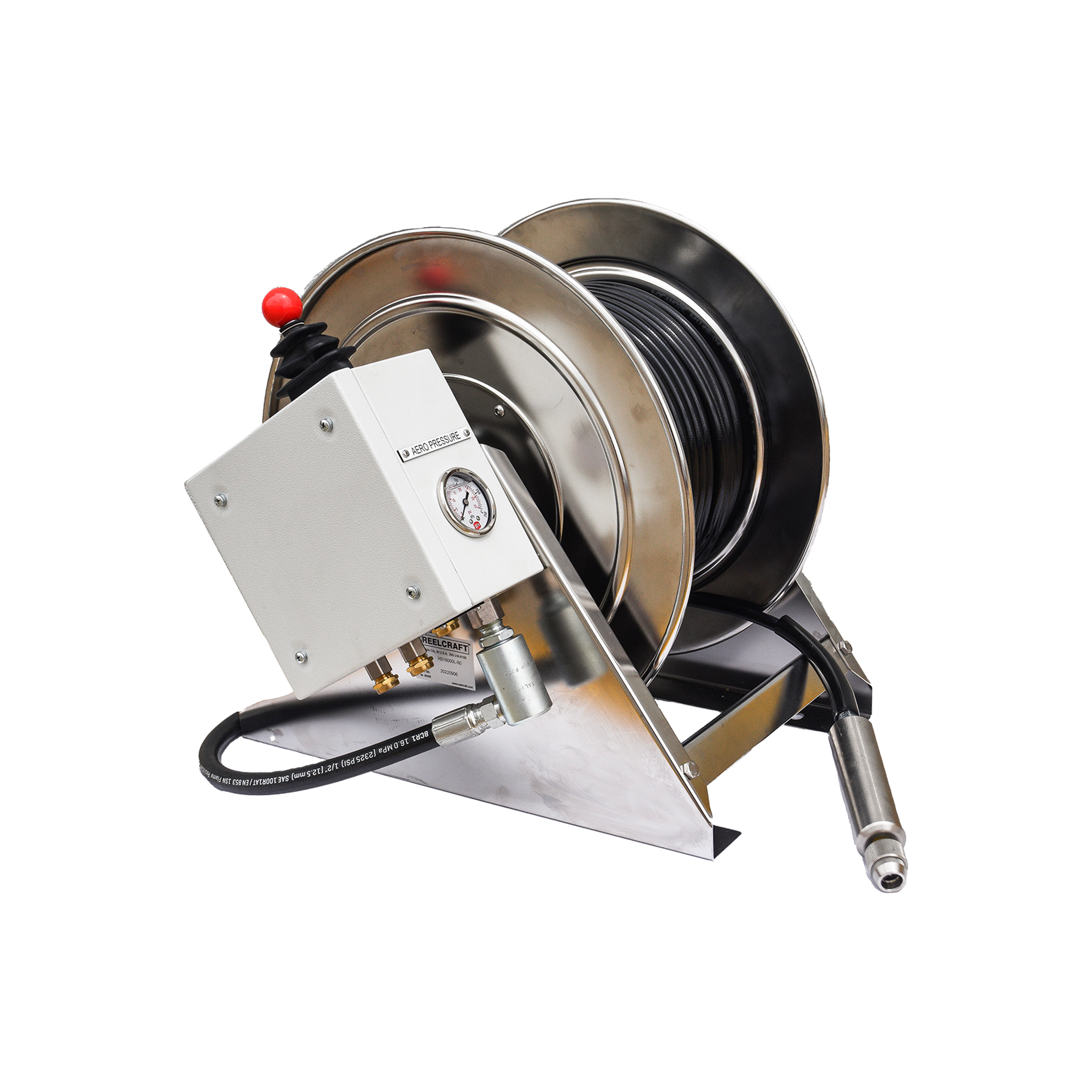
The aerosol inflated Blastbags allowed for the precise positioning of air decks allowing for perfect execution of the blast design without adding a lengthy installation step.
Blast 2 on the other hand, did not have airdecks in the buffer rows. A common practice at this mine and therefore our baseline to which we compared results to.
The Result
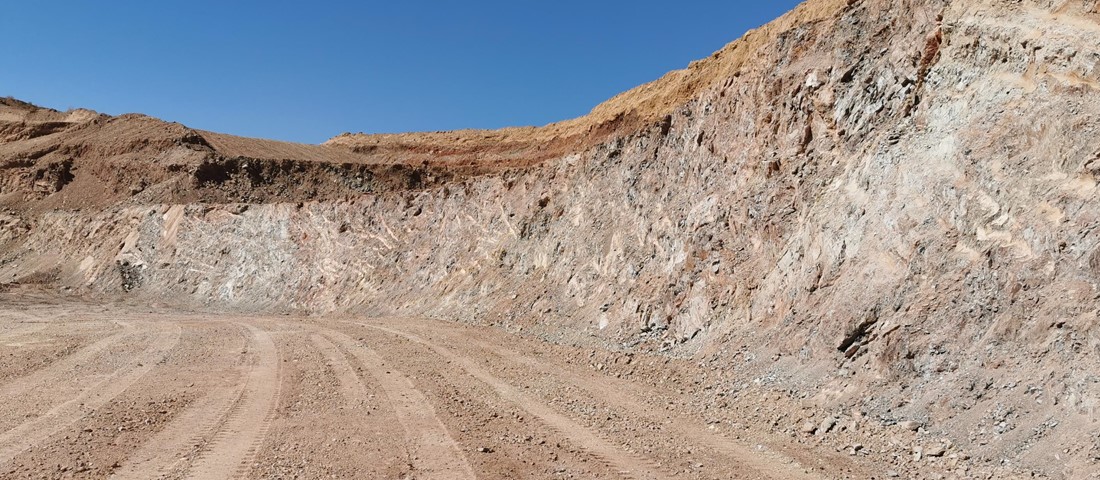
On completing the blasts, a noticeable reduction in damage was observed in test blast 1's walls (with the air decks) versus the walls of test blast 2 which showed considerable damage. (See images )
In one inspection looking at the holes drilled behind the blast, Blast 1 (with air decks) showed a progressive decrease in damage from the first hole to the third hole inspected. In contrast, test Blast 2 (without air decks) showed extensive damage including the collapse of the first hole inspected and intense fracturing in the second hole. Conditions consistent with those known to lead to poor pit geometry.
These observations aligned with the results from a pre- and post-blast survey, where damage was found to have significantly decreased in the air-decked test (denoted by fracturing intensity), showing that the air decks directly improved the results.


Project Powered By:
Australia (WA)
Australia (NSW)
Australia (QLD)
United States
South Africa
Site links
- Home
- products
- Site Services
- Case Studies
- Contact Us
- Inflatable Plugs
- Technology
- Blasthole liners
- In-hole accessories
- Bench accessories
- Delineation
- Inflation Equipment
- Measuring
- products
- Site Services
- Case Studies
- Blastbags
- Blastscout
- Blastshield
- Spiders