








_trans_2500x2500.png)



















.jpg)

.jpg)







Optimising trim blasting
Background
The Challenge
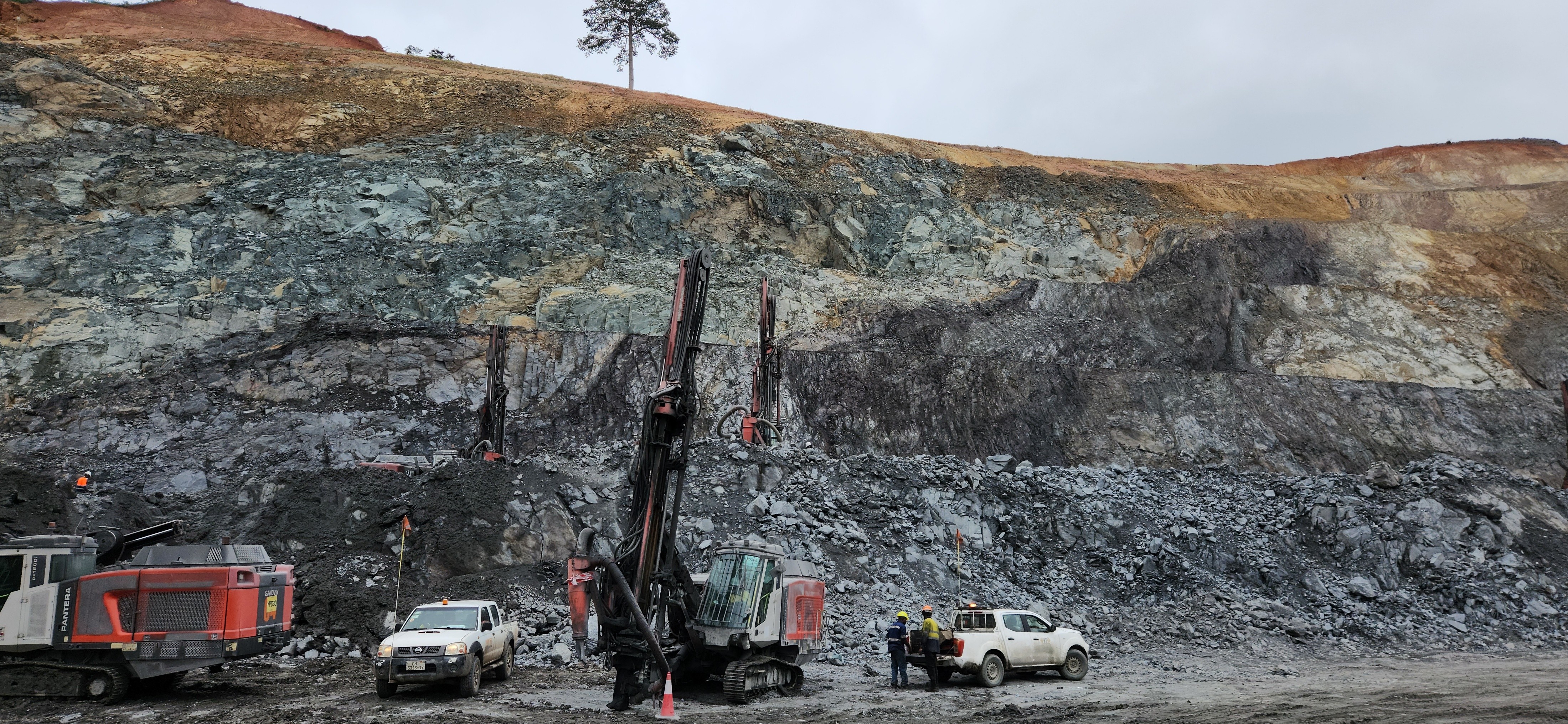
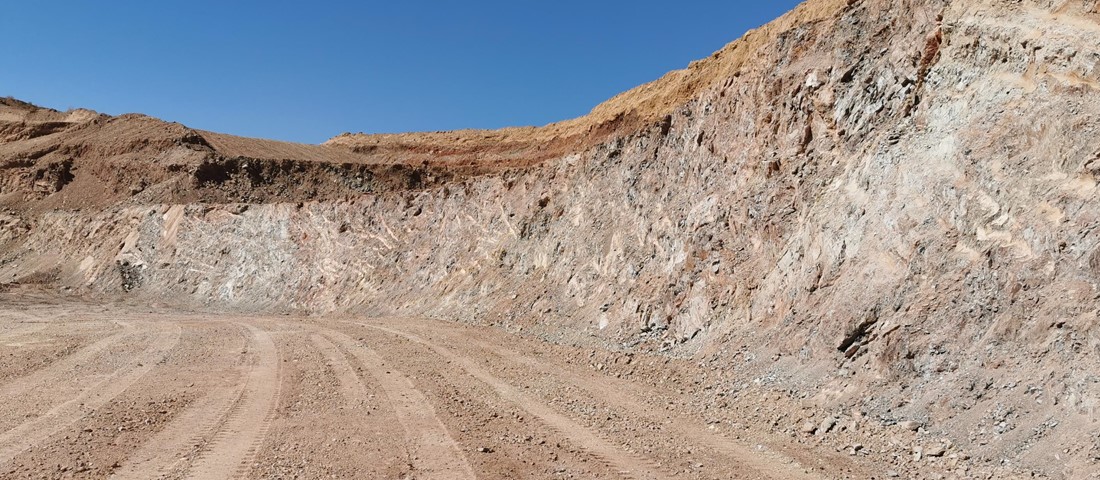
With several decades of projected mine production left, this large open-cut copper mine commissioned a review to evaluate the use of air decking in trim blasts and its effects on the final wall. The objective of the trials was to evaluate the consistency and ease of use of air decking with gasbags to ensure safe and compliant post-blast conditions of the final pit wall.With effects such as safety risk to personnel and commercial risk in the form of expensive cutbacks or worse ore being left behind. Issues arising from wall instability can have significant implications. To moderate this risk the mine site made a strategic decision to improve its existing trim blasting techniques.Using conventional trim blast practices in its original design, modelled on reduced charge weights and increased stem heights, the mine site would regularly observe near field damage and cracks in the pit walls. This was caused by the explosive gases during detonation as they radiated out of the boreholes. This was most notably observed in the areas immediately adjacent to the explosive column and lower stemming section.
The Solution
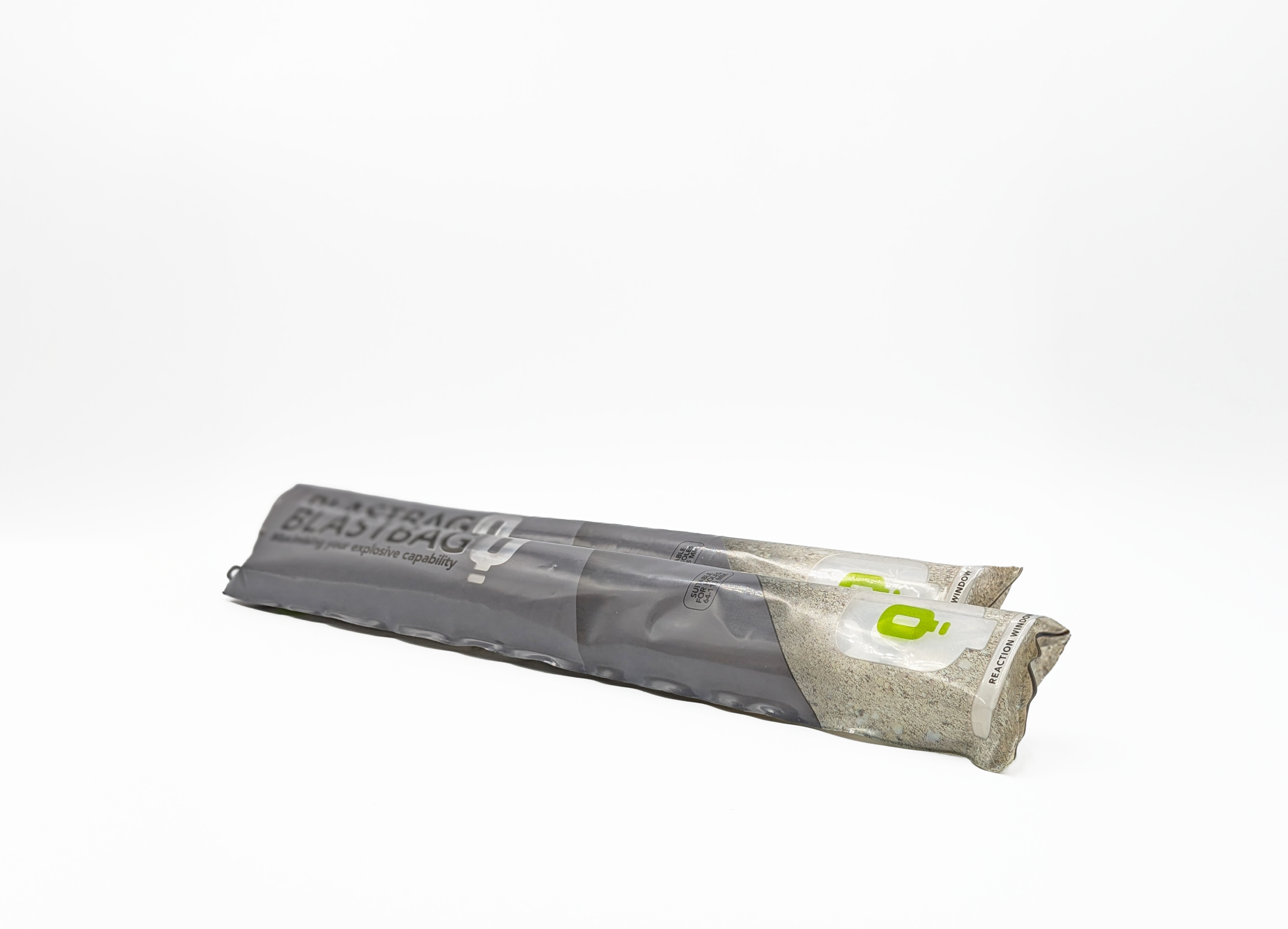
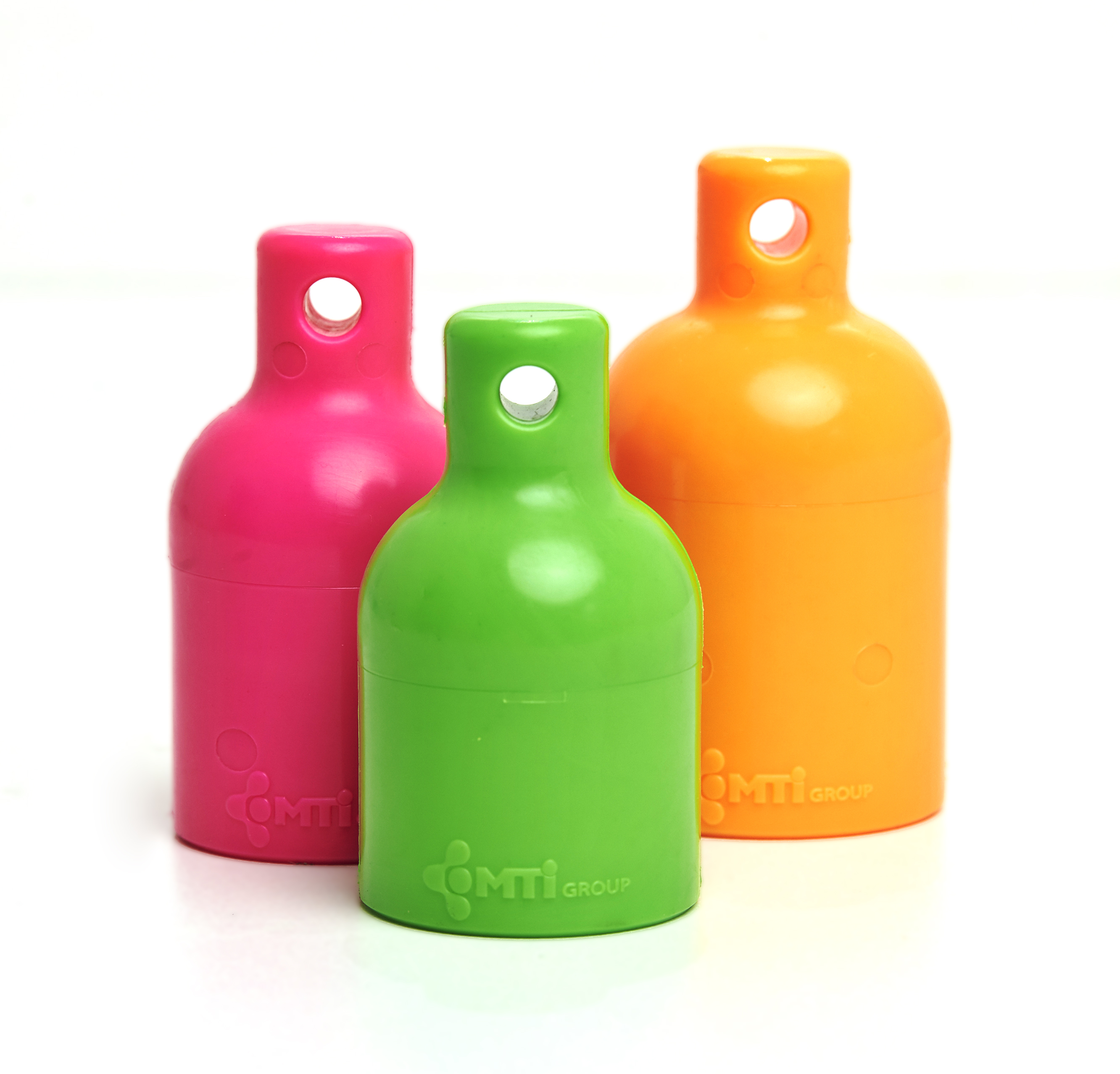
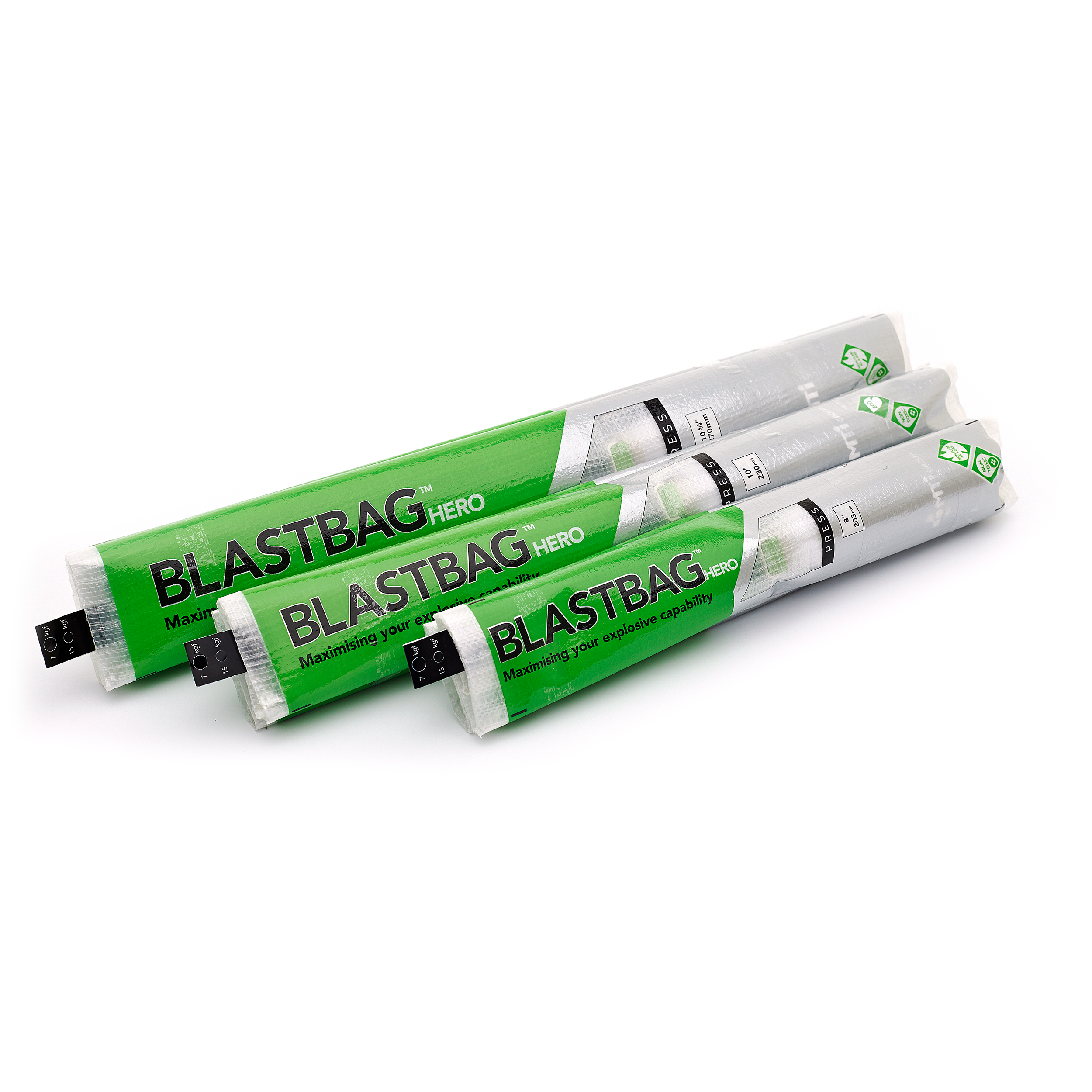
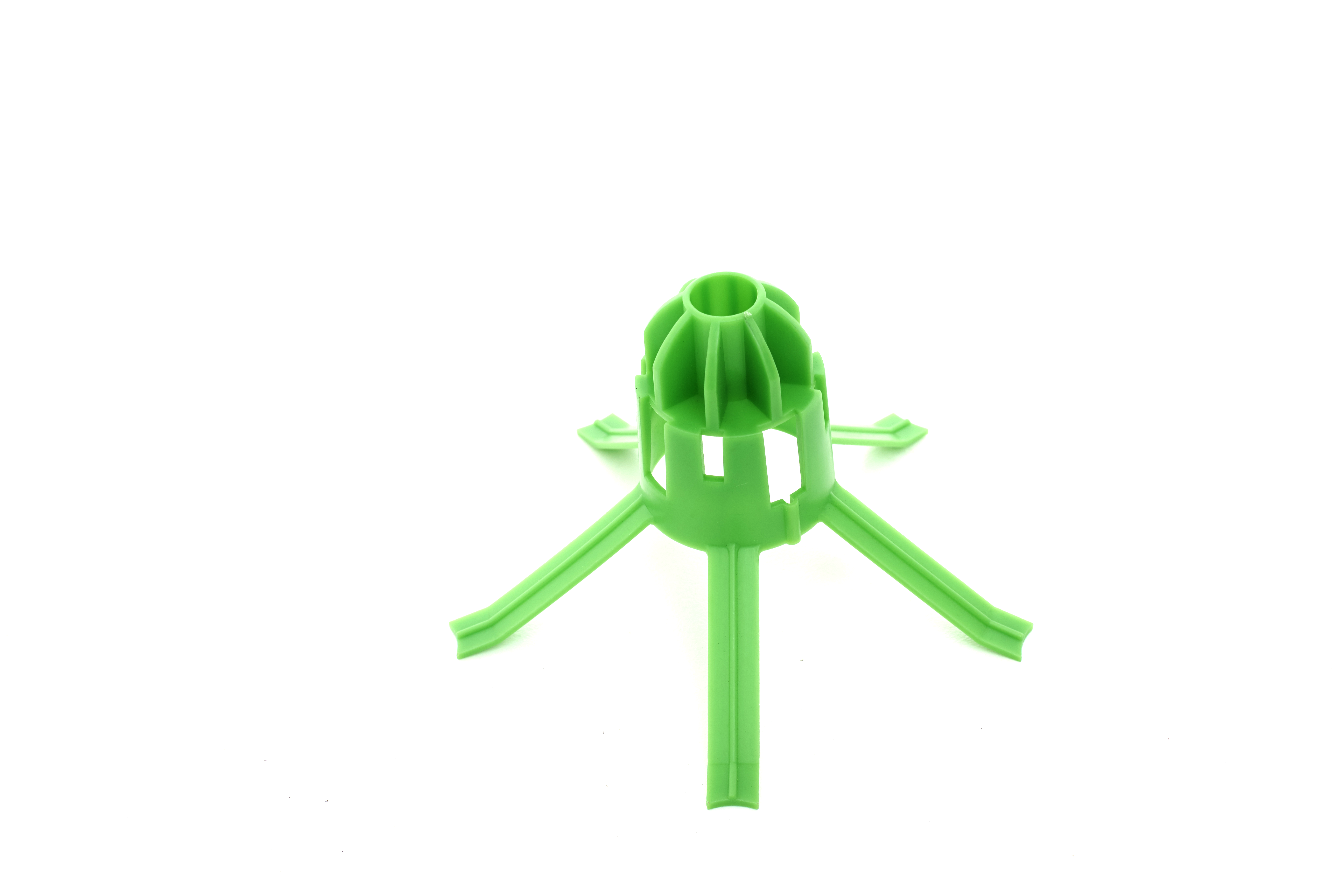
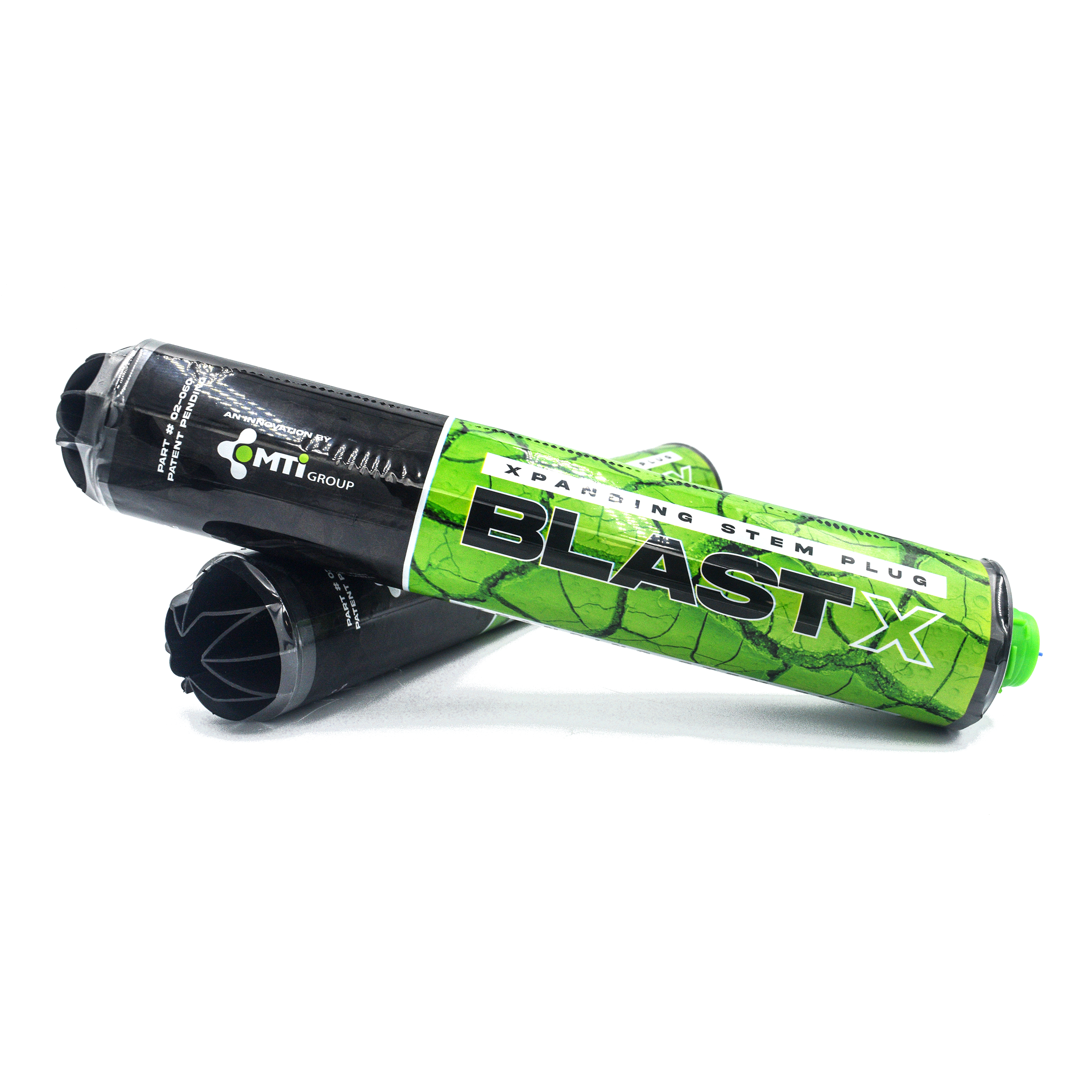
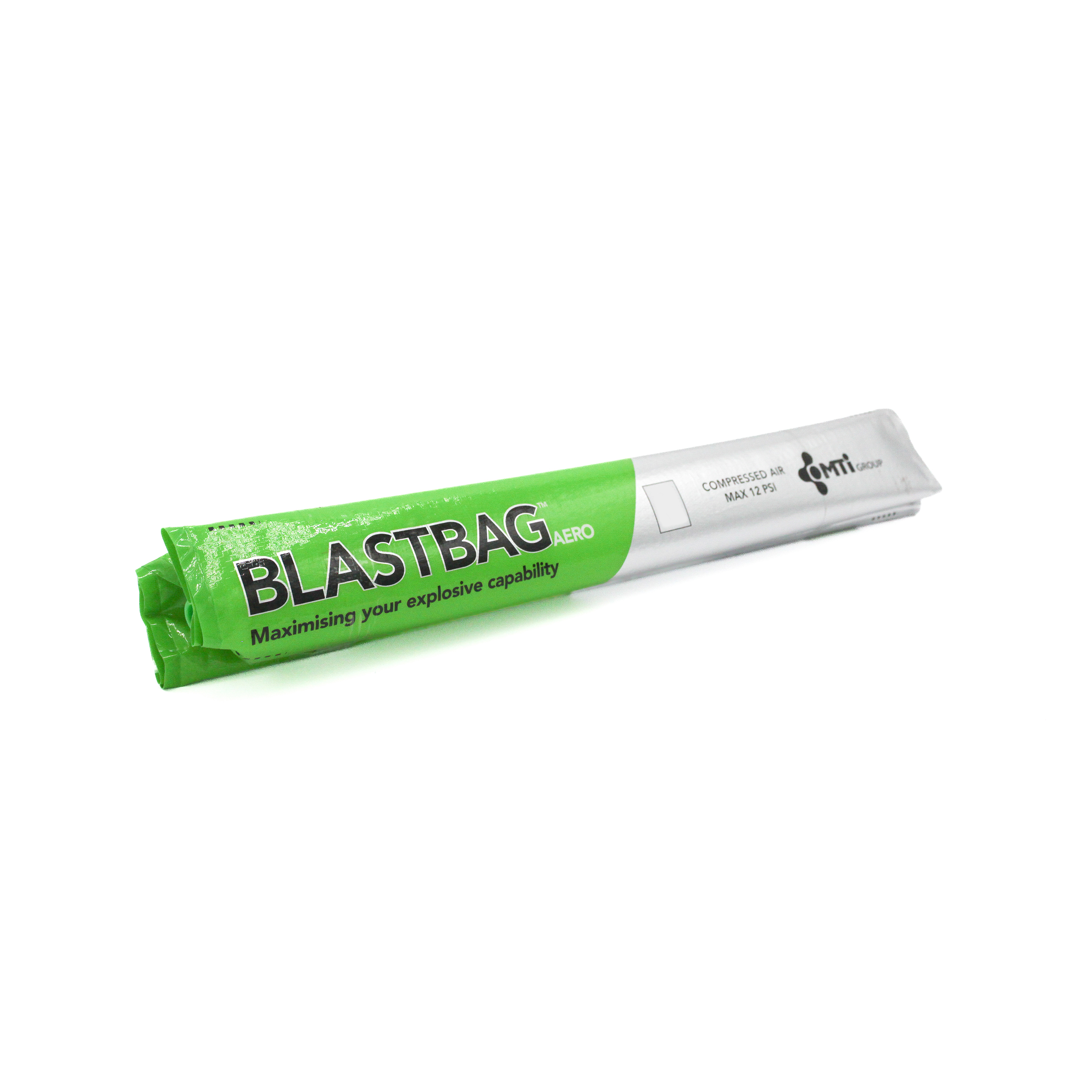
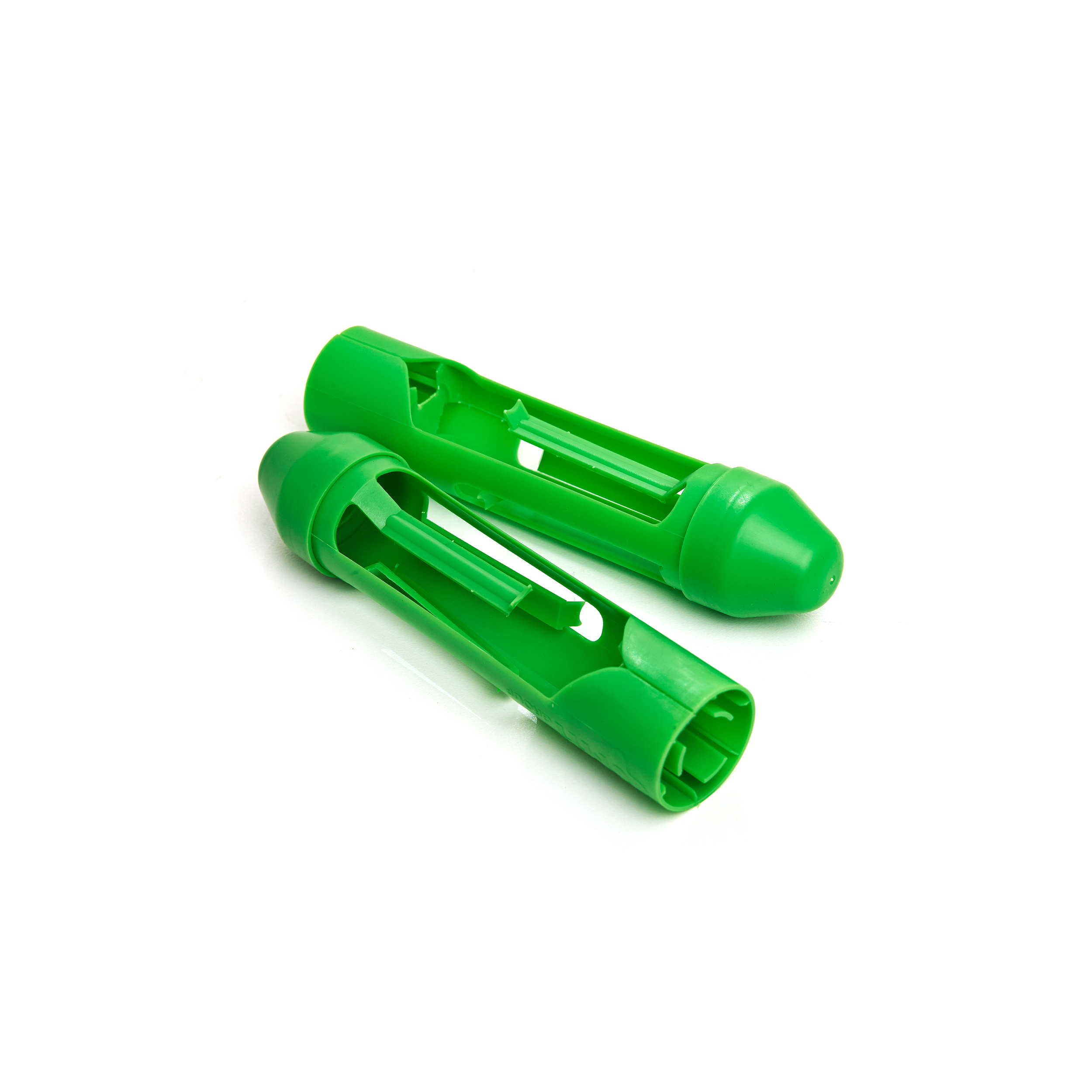
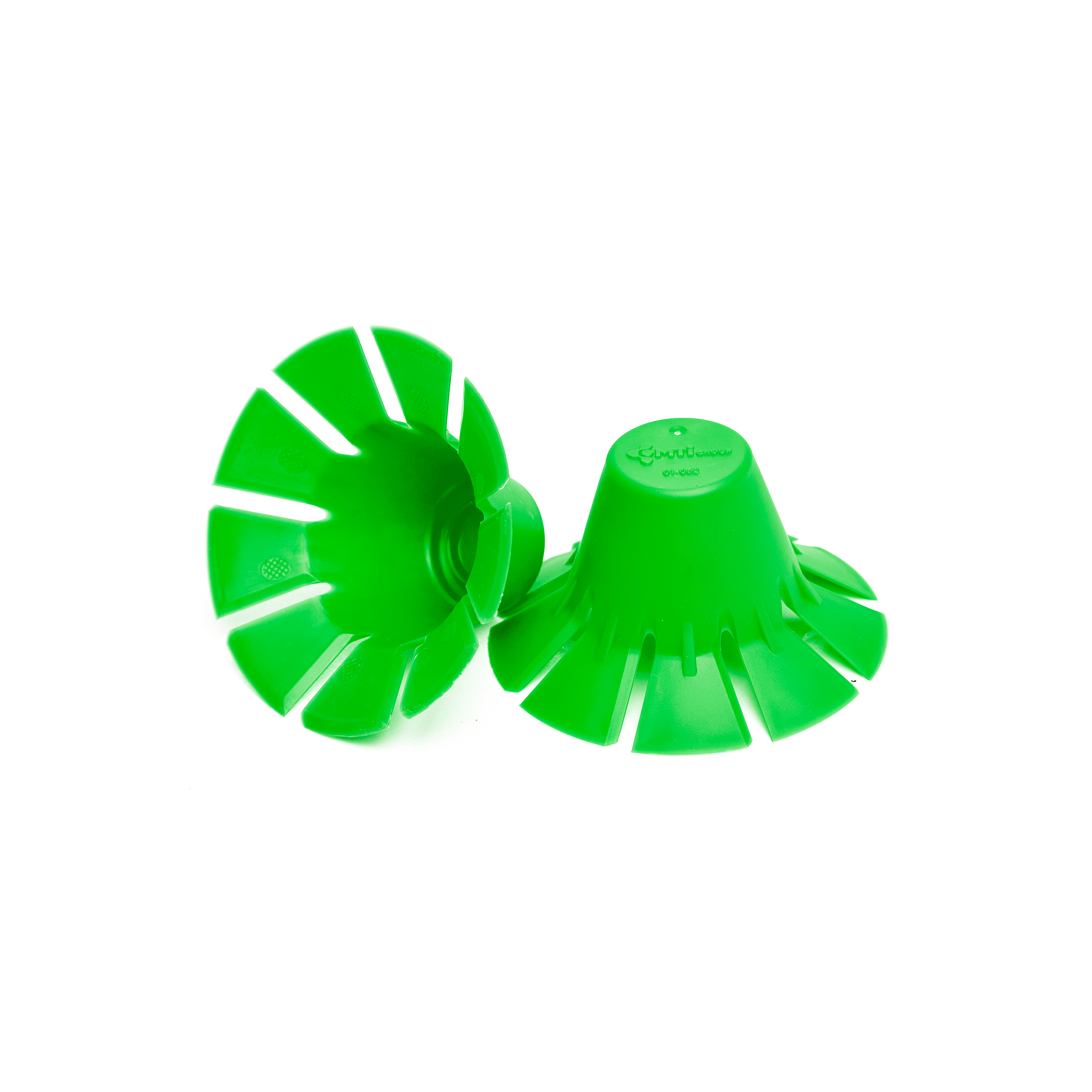
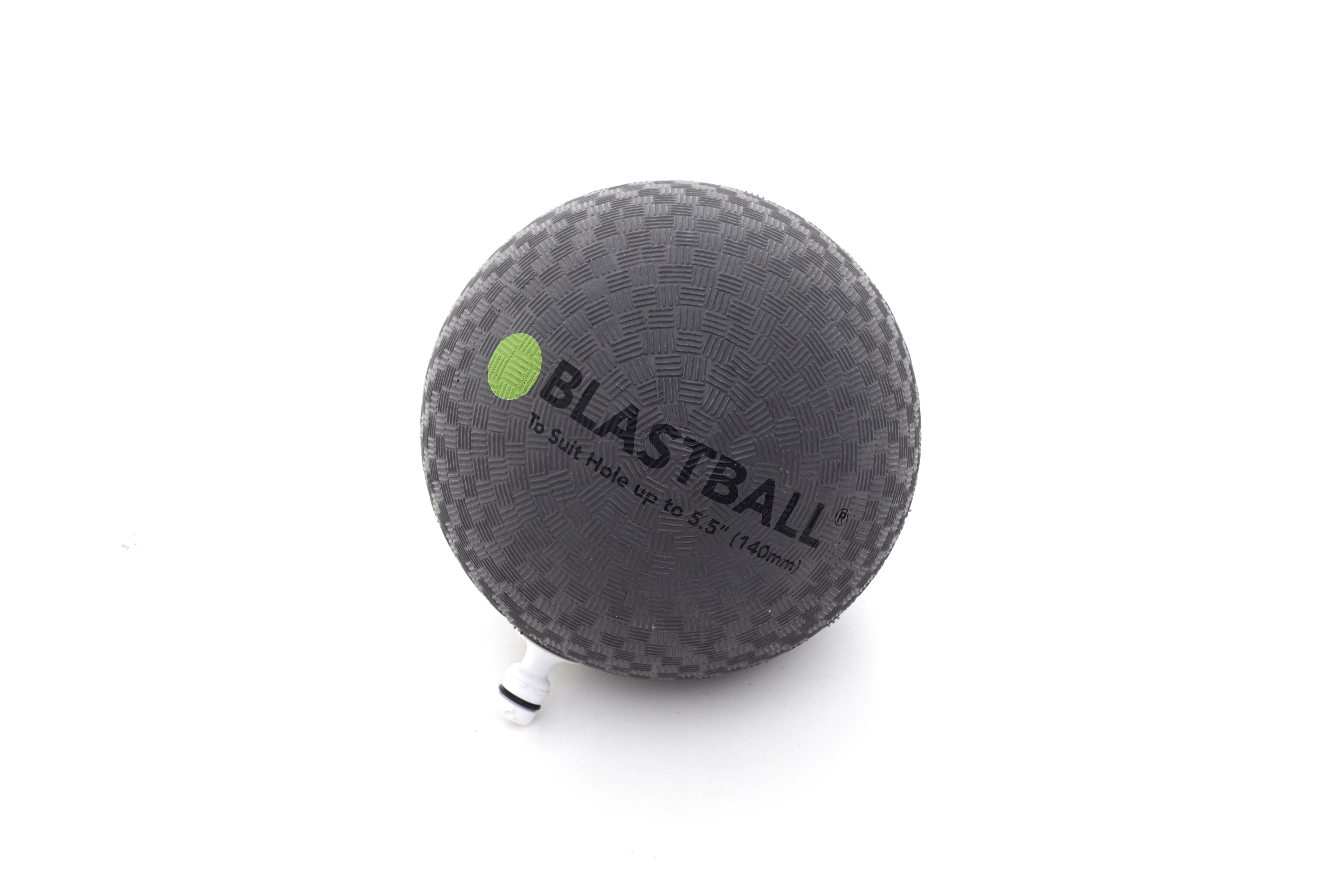
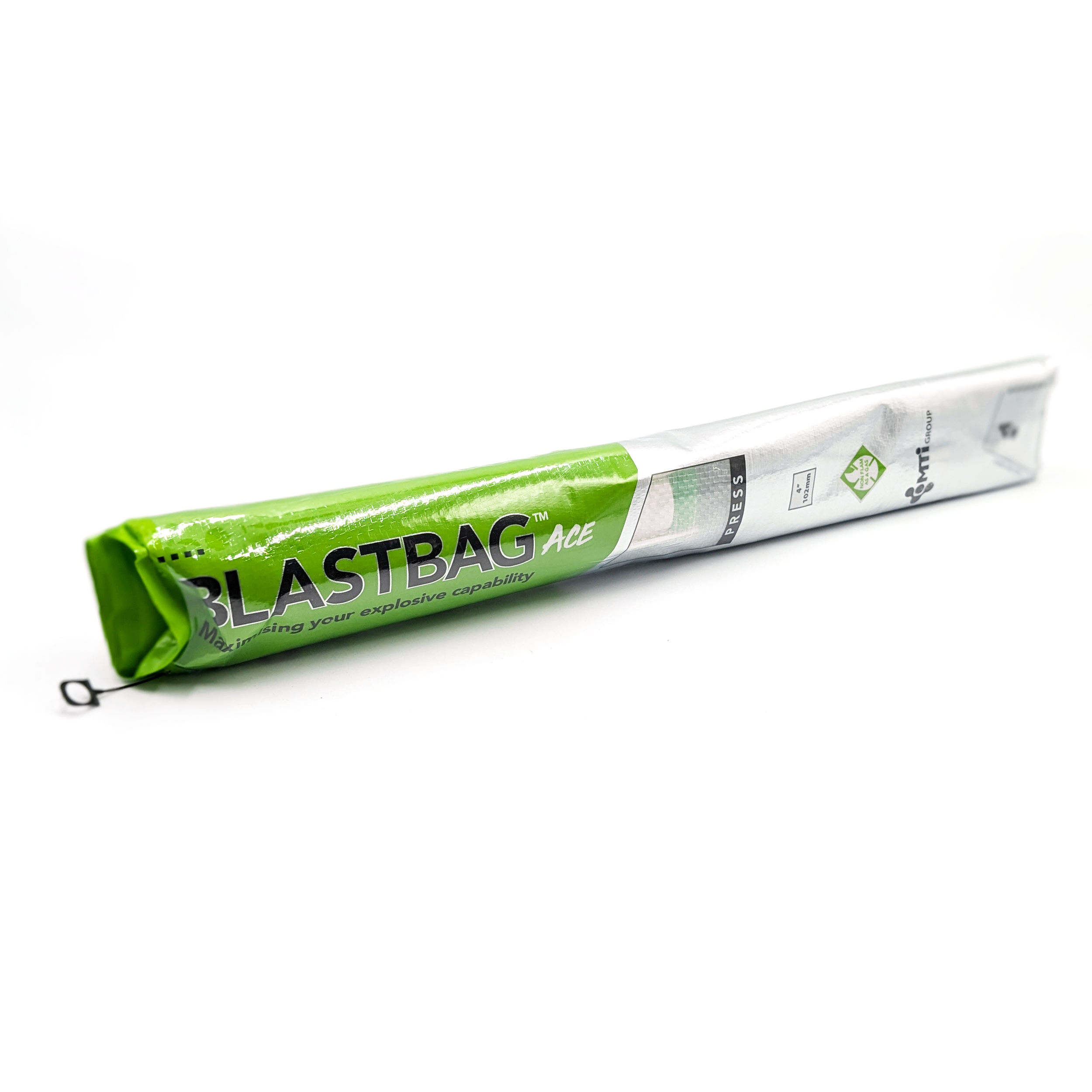
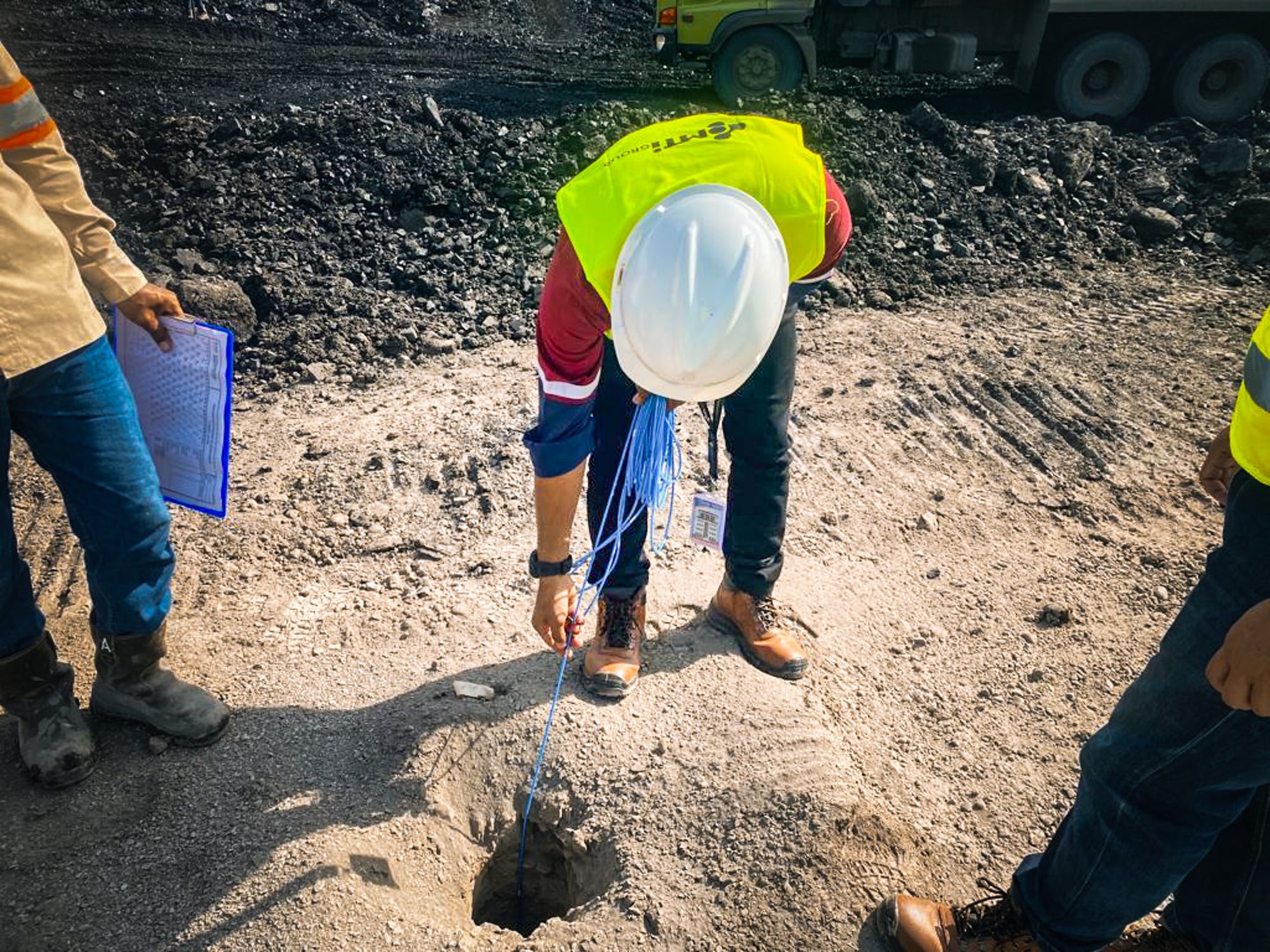
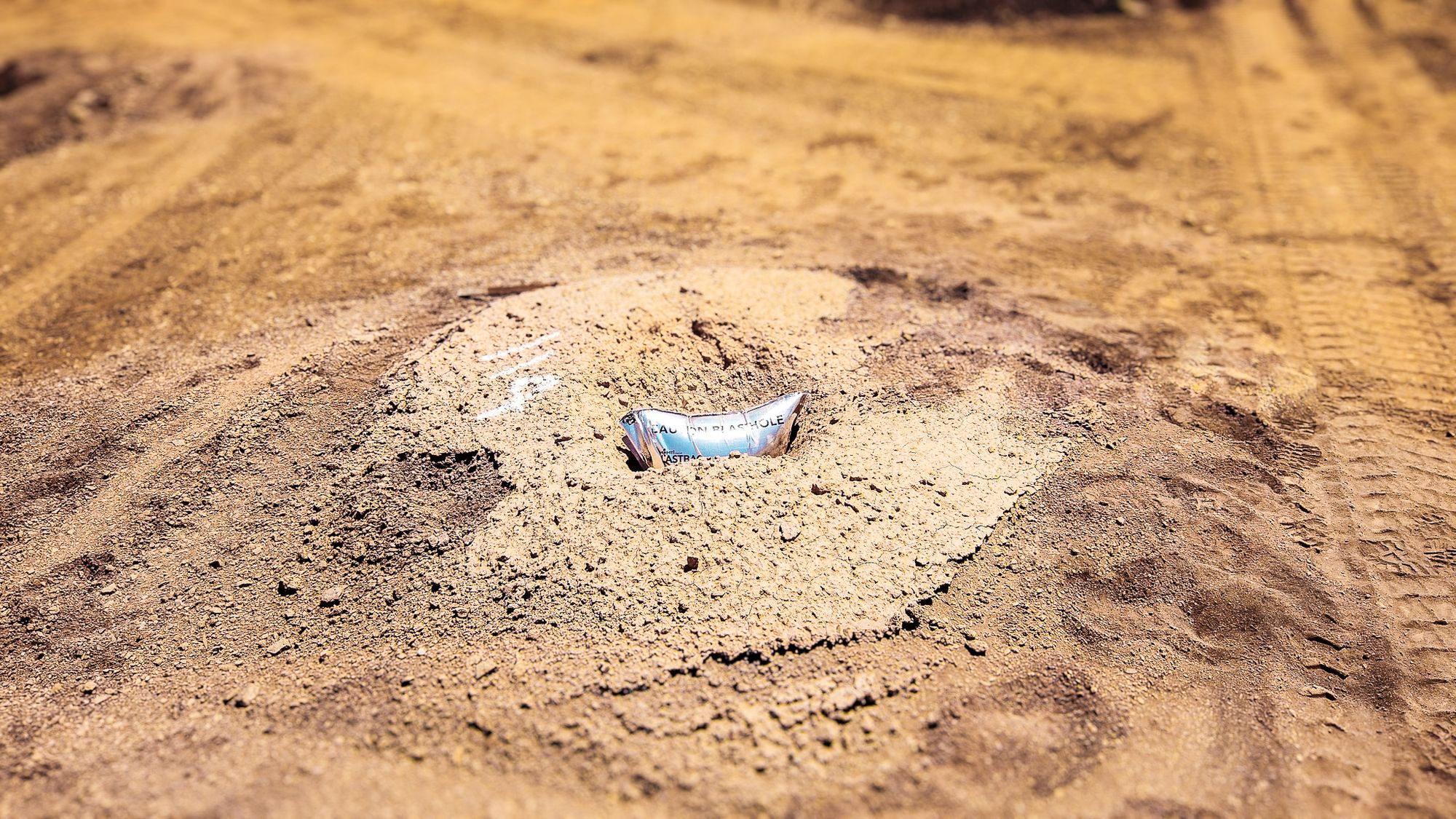
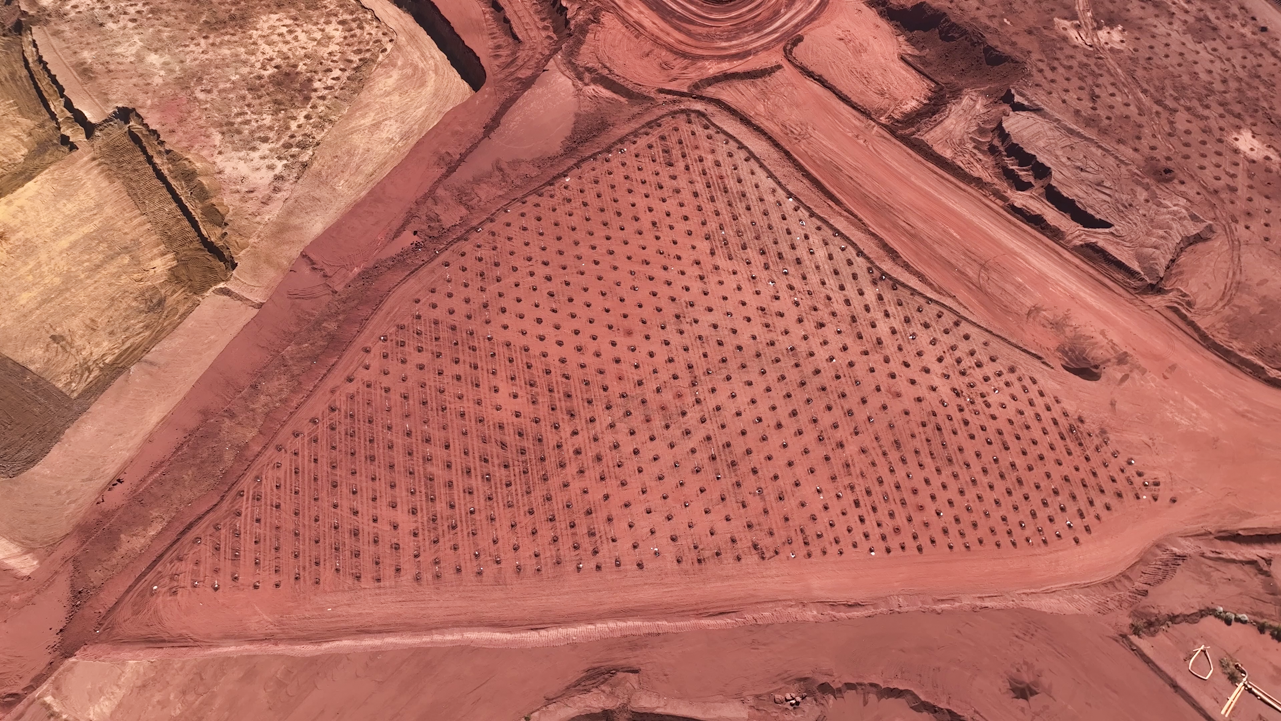
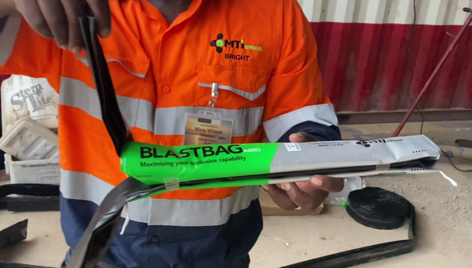
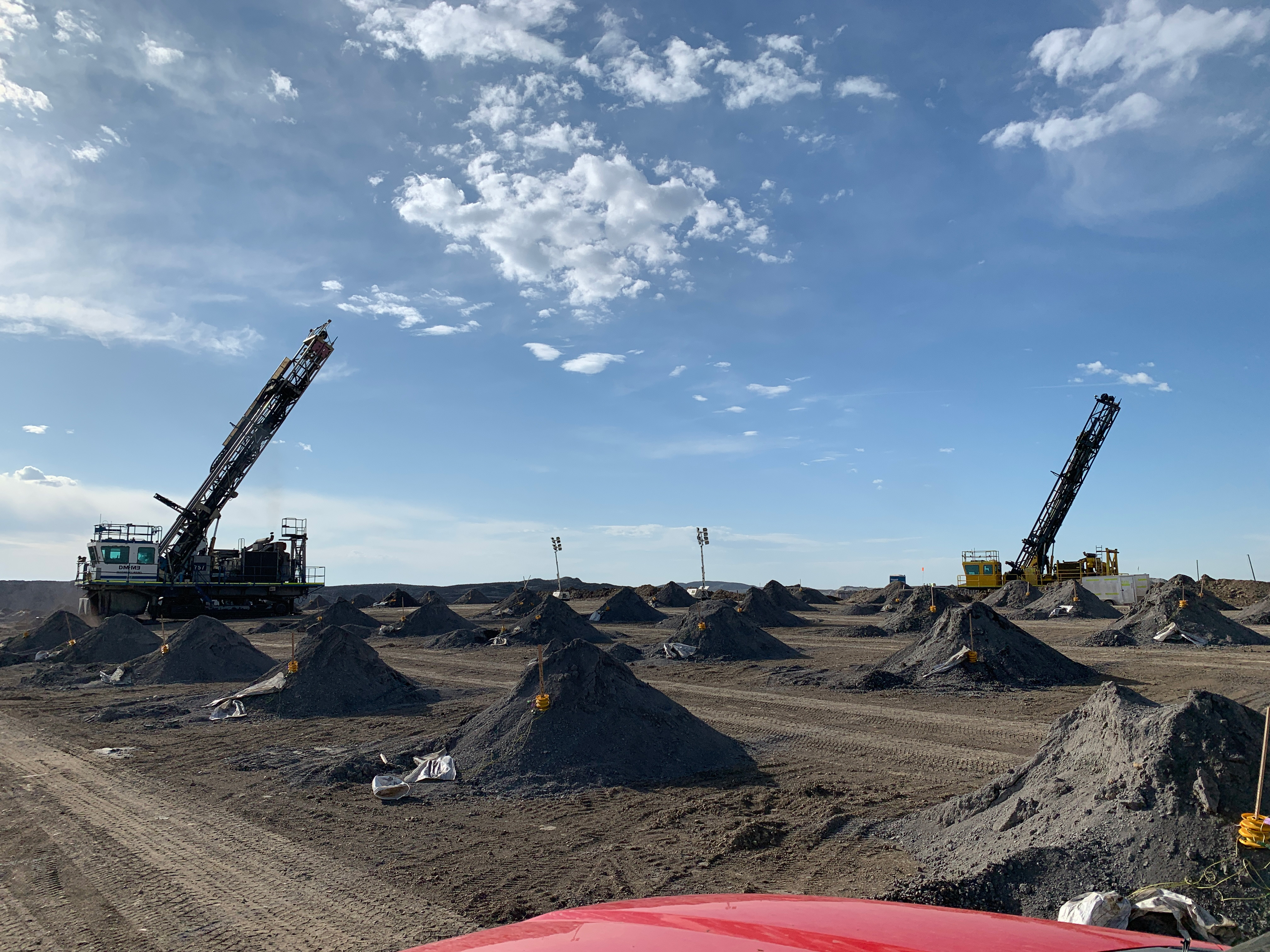
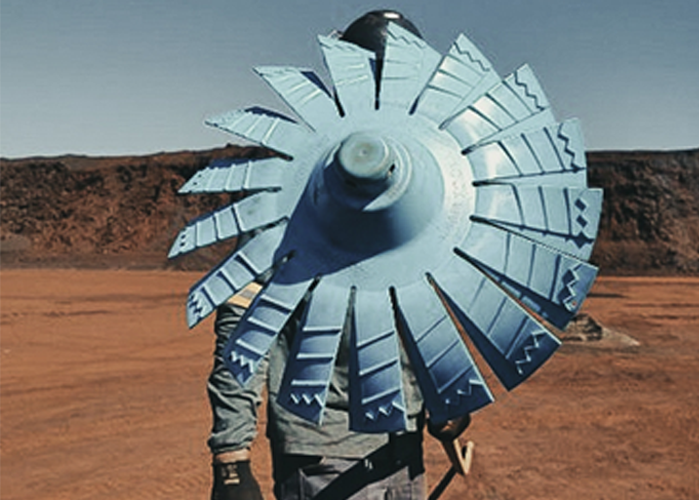
To reduce the damage to the walls an air deck would be introduced in the trim row, this would have the effect of providing a less confined space for the explosive gases to move into. Initial attempts to achieve this saw the mine install mechanical plugs to create an air deck however this proved difficult to implement as mechanical plugs were not always reliable and required a lot of manual handling to install correctly. This was in part due to the changing hole diameters in the trim rows which would vary from 77/8 to 121/4 due to drill availability. The desire for a more efficient solution, plus the flexibility to work across varying hole diameters, saw the adoption of MTi BLASTBAGTM gasbags.The trials occurred as part of the same event as the production blasts. This saw the installation of gasbags across the batter row only. Trial blasts would be sequenced before production blasts with holes across the trial rows more concentrated in spread in comparison to the production holes. Hole diameters varied between the trim rows (batter, buffer and first production at 77/8) in comparison to 121/4 in the production fields which was in line with existing practices. The trial followed two test blasts using MTi Group's BLASTBAGTM gasbags, with both blasts taking place across a single geotechnical unit for consistent interpretation of the results. Blast results were assessed against a Conditioning Factor - a quantitative weighted score of the pit wall condition based on factors such as the state of the blocks, presence (or lack thereof) cracks in berms and conditions of the crest. And a Design Factor -a quantitative weighted score comparing the blast outcome with the initial design based on considerations such as berm width, face angle and various others. A success criterion was established for each factor, this was set as 70%.In both blasts, air decks using gasbags were applied in the batter row. The 77/8 batter row was loaded with 3.5m and 7m(of explosive and stemming respectively), while the first production row contained 3.5m and 8m (of explosive and stemming respectively). The placement of an air deck or gap provided an area for the explosive gases to travel into before moving through the rock mass resulting in a more even transfer of energy through the rock. Making the gases less confined and less likely to cause an expansion in the cracks and consequently cause less damage to the pit wall.
The Result
Assessing the two trial blasts against the established Conditioning and Design Factor, the mine site observed a 70% conditioning score and 97% design score in the first blast, and a 73% and 91% score in conditioning and design factors respectively in the second blast. Both scoring at or well above their established success criteria. This was further reinforced after excavation of the area was complete with no visible cracking or damage in the pit walls; indicating an improvement in the blasting technique particularly in its ability to manage the explosive gas energy.
IMPRESSED BY THE CONSISTENCY IN OUTCOMES AND EASE OF DEPLOYMENT , THE MINE SITE HAS SINCE ADOPTED THE USE OF MTi GROUP'S BLASTBAGTM GASBAGS IN ALL ITS BATTER ROW BLASTING, CITING ITS ABILITY TO CREATE A STRONG GRIP AND RELIABILITY KEY REASONS AS TO WHY MTi GROUP WERE SELECTED AS A PREFERRED SUPPLIER. WITH THE SITE MANAGER DESCRIBING MTi GROUP BLASTSBAGS AS A CRITICAL INPUT TO THE BLASTING PROCESS.

Project Powered By:
Australia (WA)
Australia (NSW)
Australia (QLD)
United States
South Africa
Site links
- Home
- products
- Site Services
- Case Studies
- Contact Us
- Inflatable Plugs
- Technology
- Blasthole liners
- In-hole accessories
- Bench accessories
- Delineation
- Inflation Equipment
- Measuring
- products
- Site Services
- Case Studies
- Blastbags
- Blastscout
- Blastshield
- Spiders