






_trans_2500x2500.png)















.jpg)

.jpg)







Flyrock reduction
Background
The Challenge
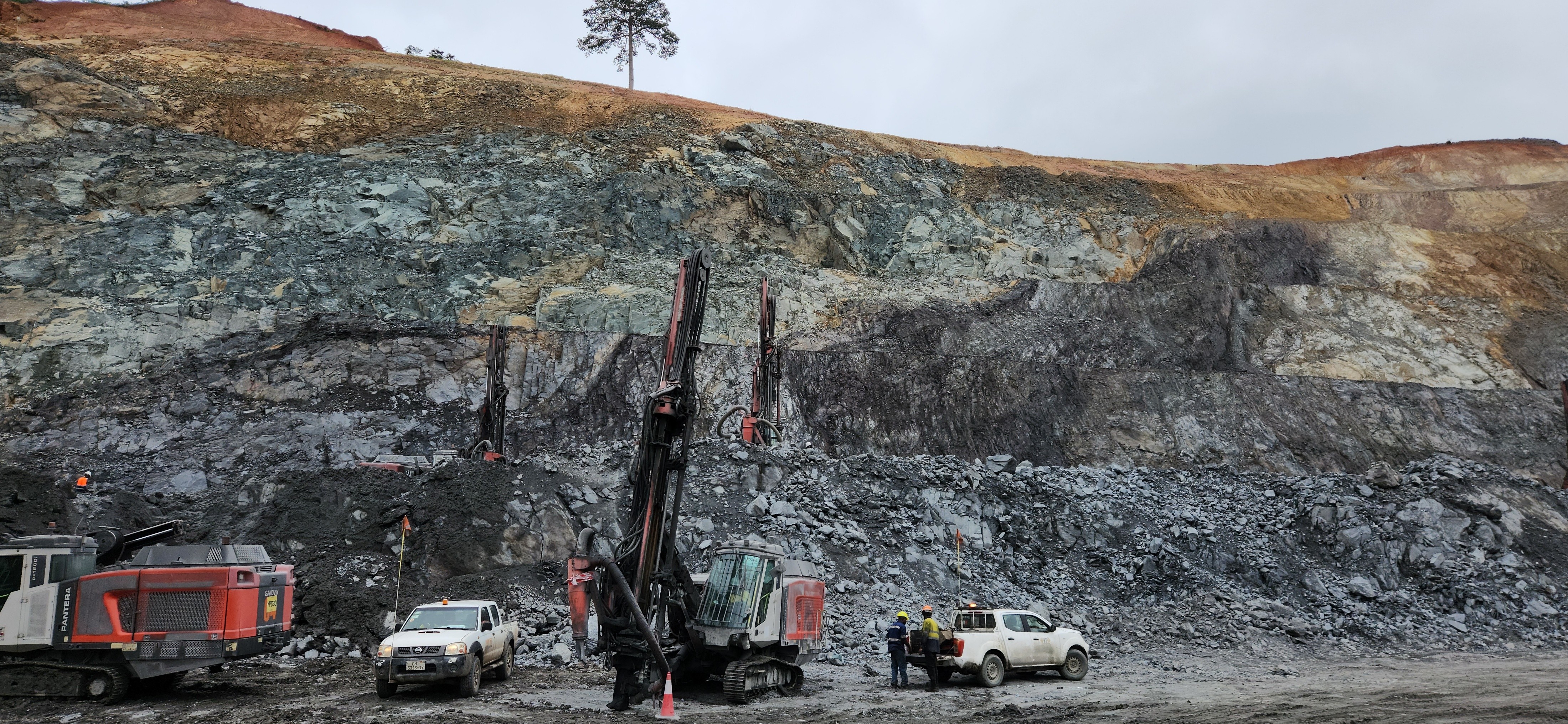
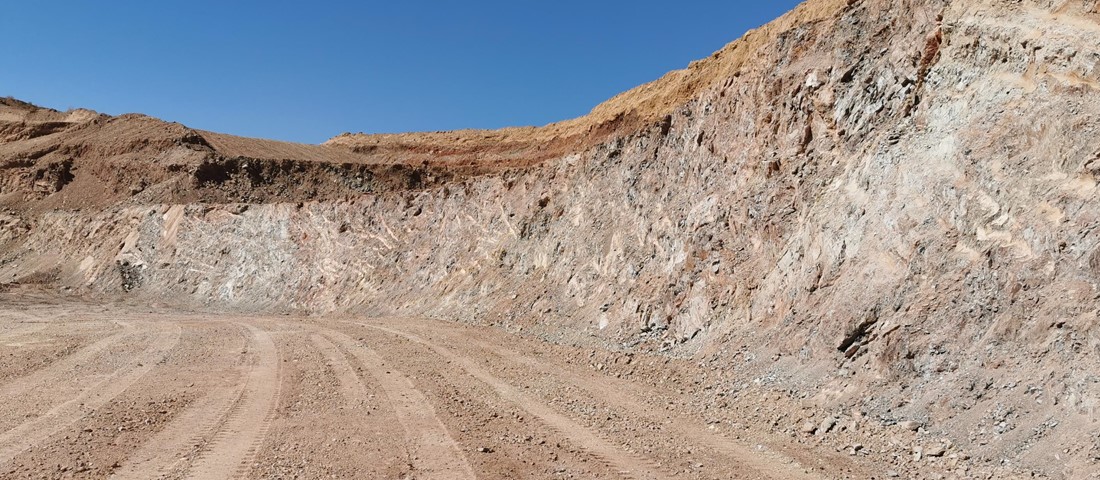
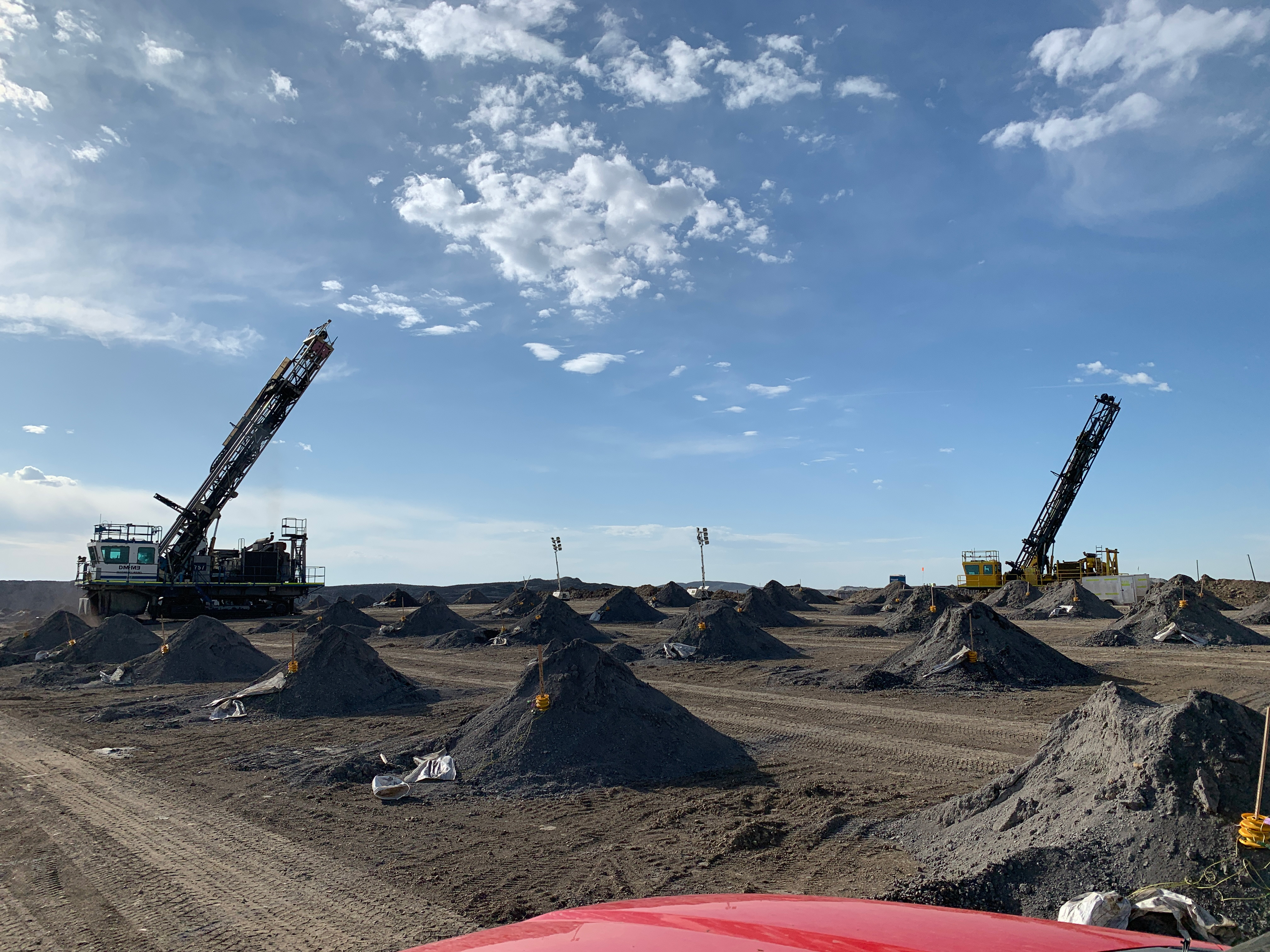
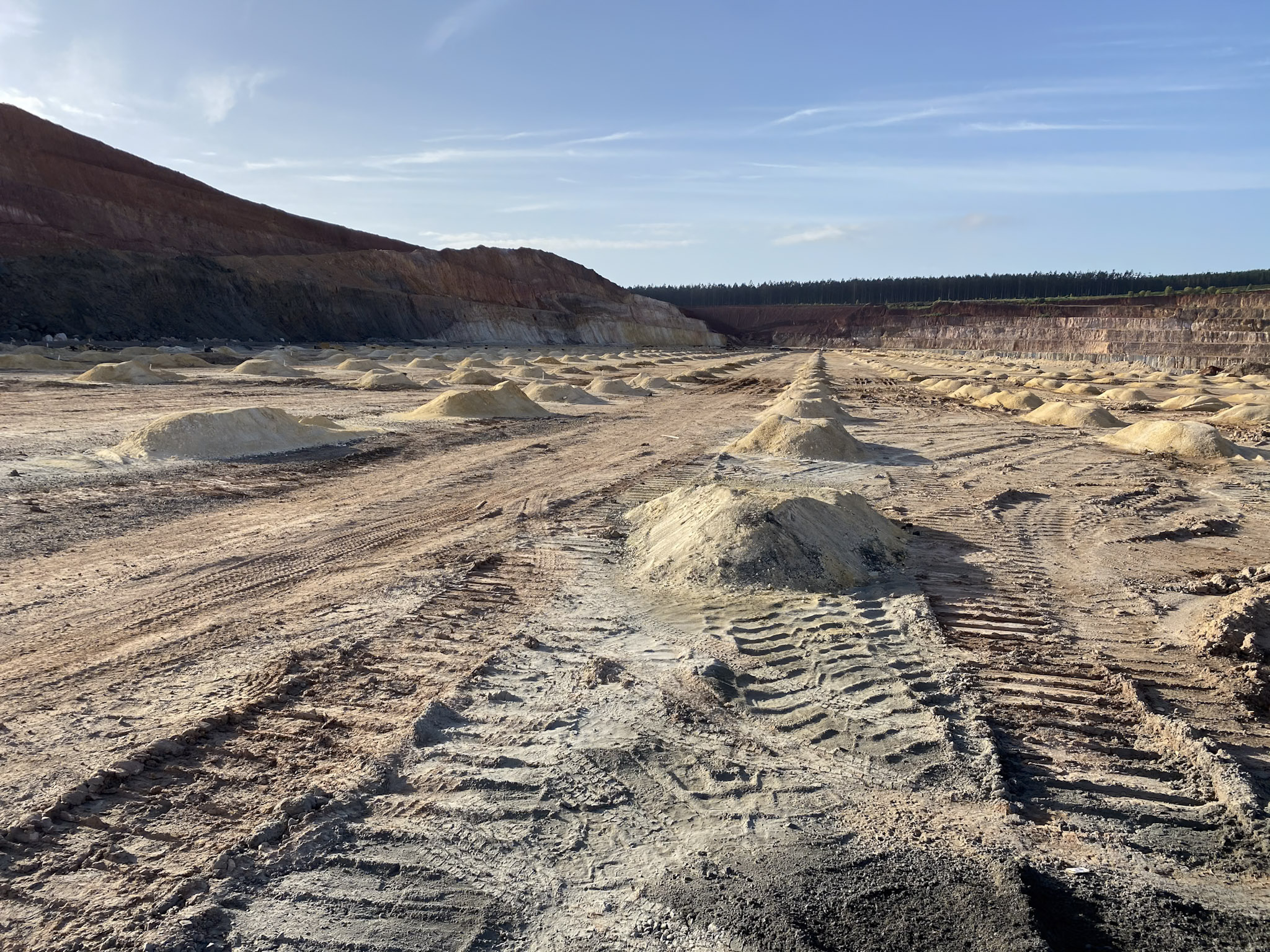
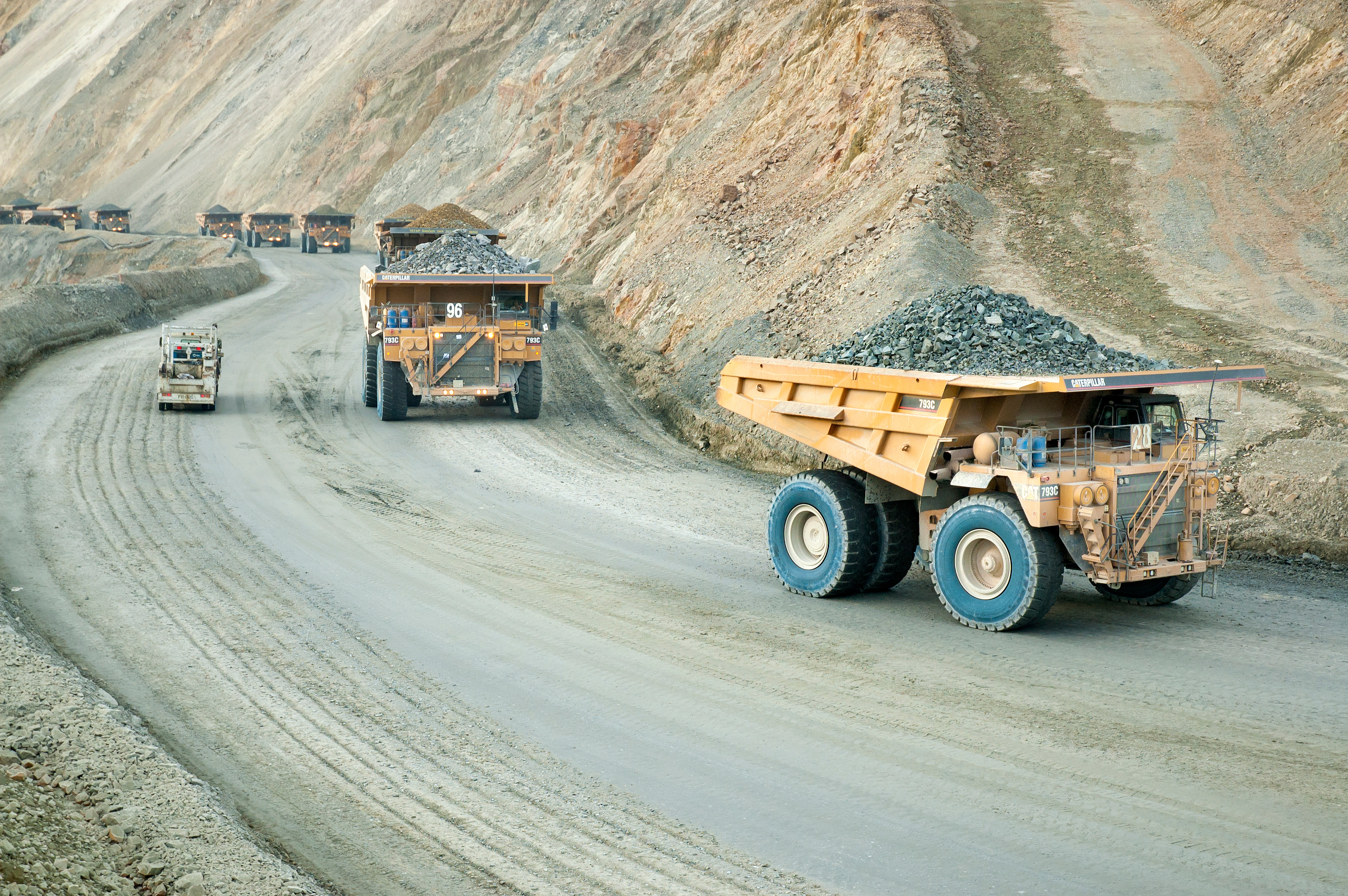
Endowed with a diverse range of mineral resources, including gold, tin, columbite, and coal, Nigeria- better known for its oil reserves- has witnessed a revival in its mining sector, with many new and exciting operators entering the scene in recent years. One such operator, producing over 85,000 ounces of gold, faced challenges with excessive ejections and flyrock in its blasting operations. This was a particular concern due to the proximity of housing and public infrastructure to the mine. Despite numerous efforts to address the issue (including changing the blast design and use of blast mats), excessive ejections persisted, culminating in an unfortunate tragic event. As a result, the mine suspended all drilling and blasting activities along its boundary while it sought improved and safer blasting practices. It was at this point MTi was engaged to propose possible solutions.
The Solution
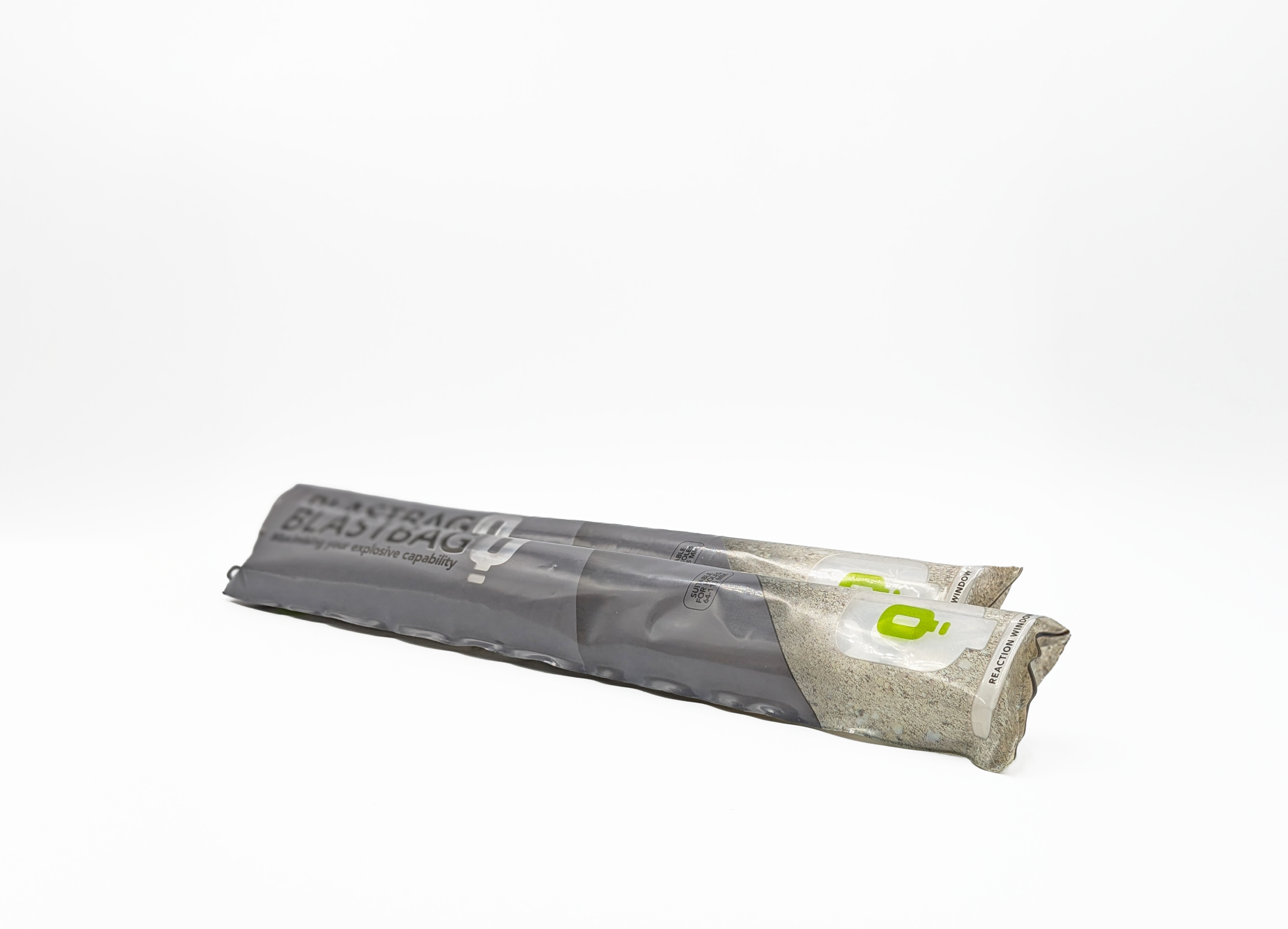
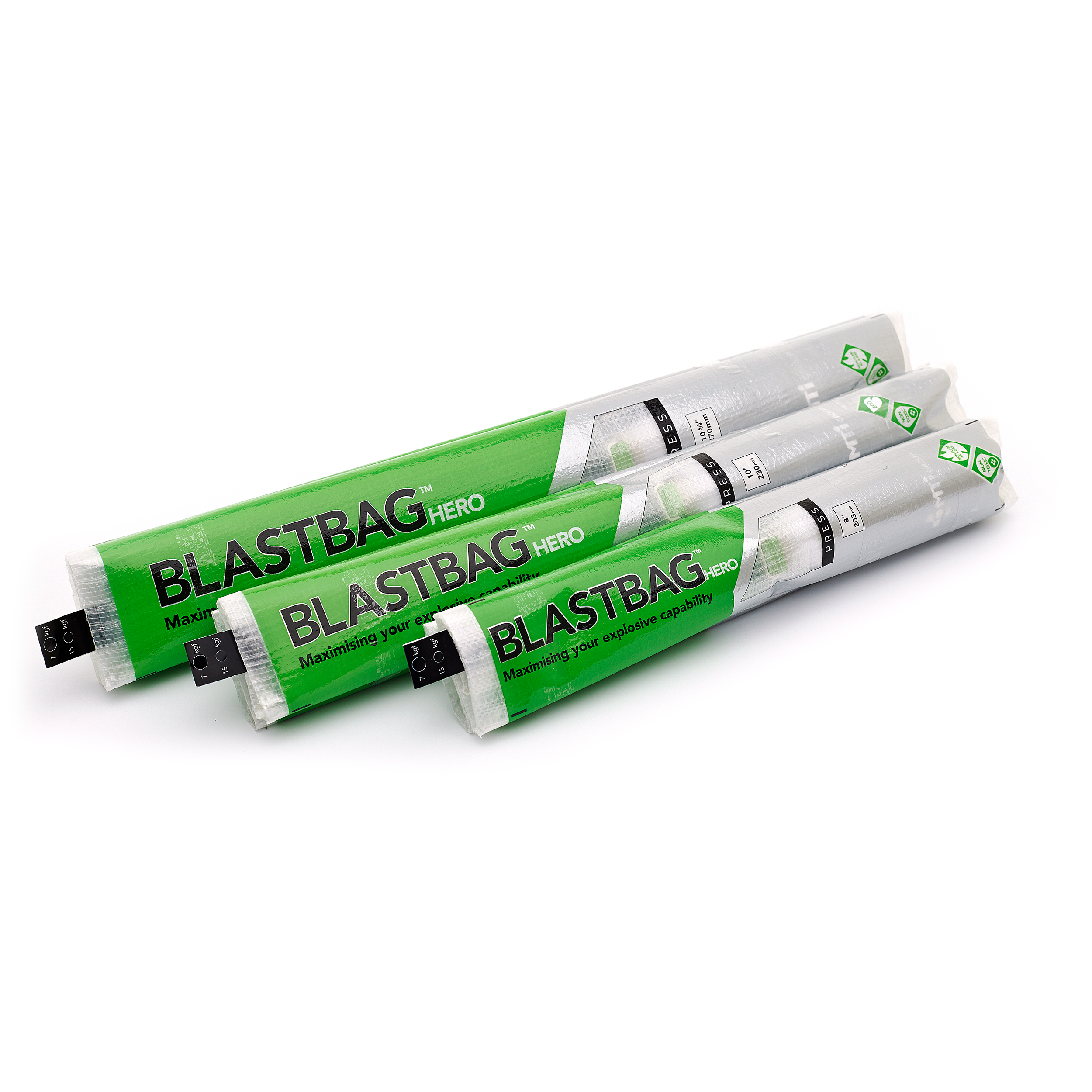
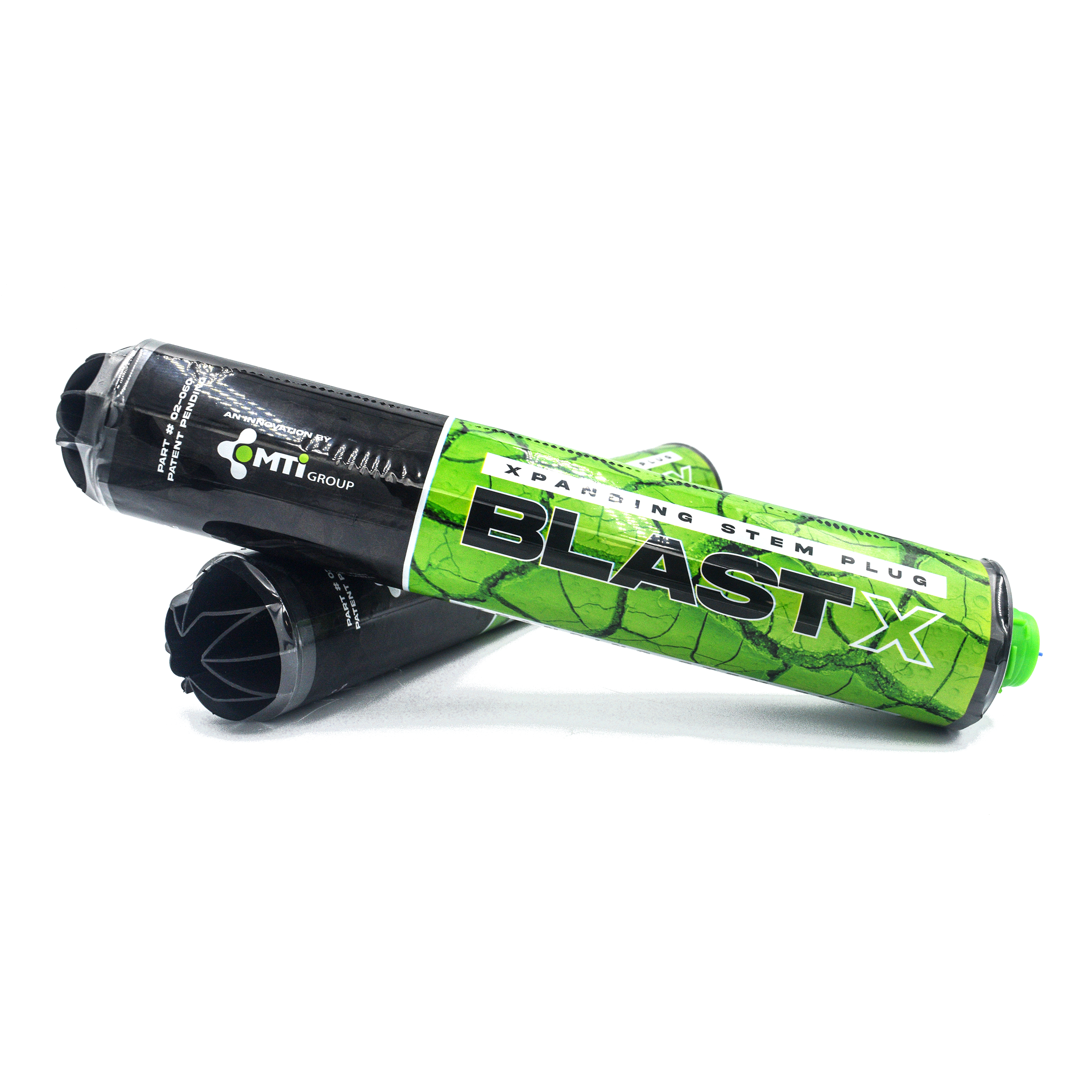
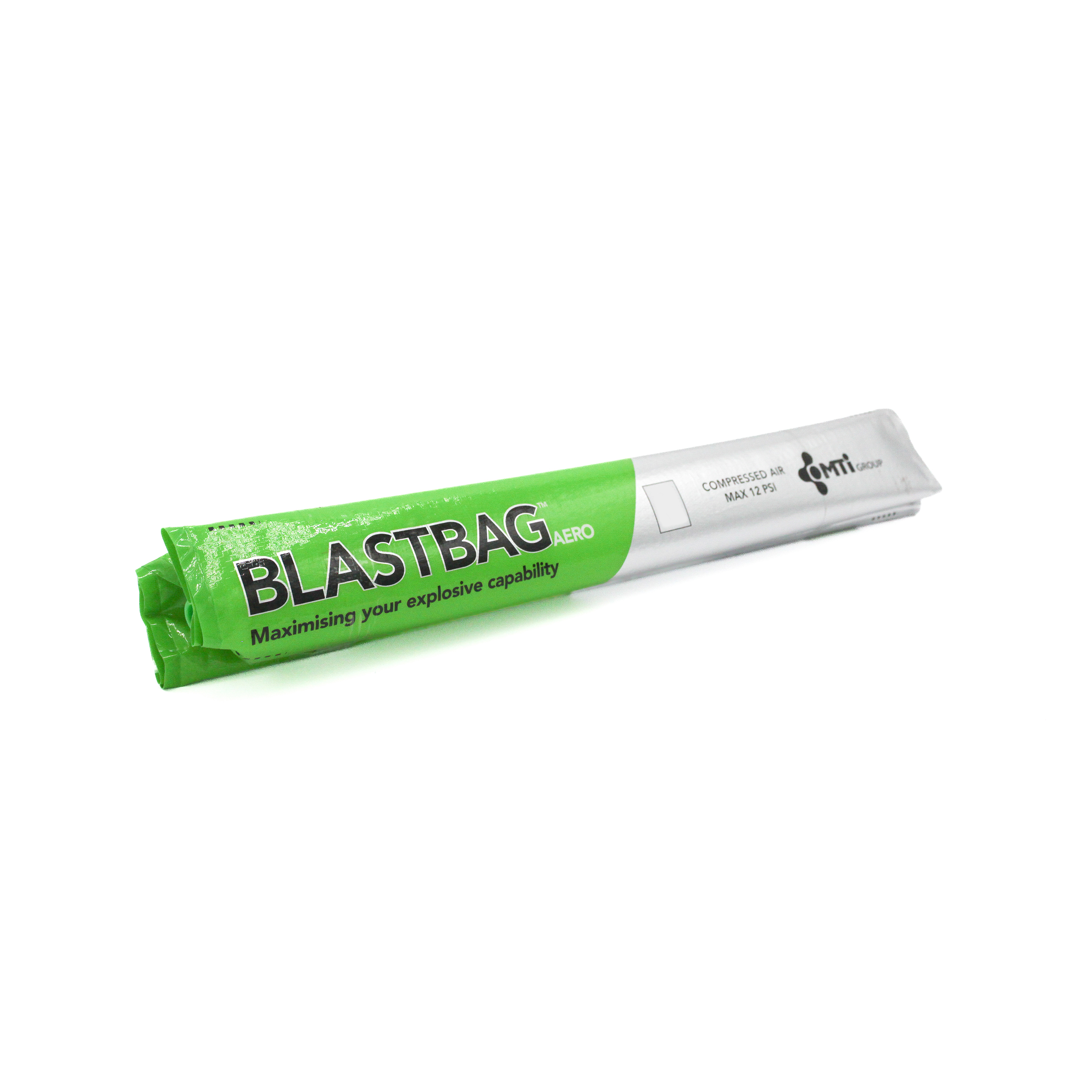
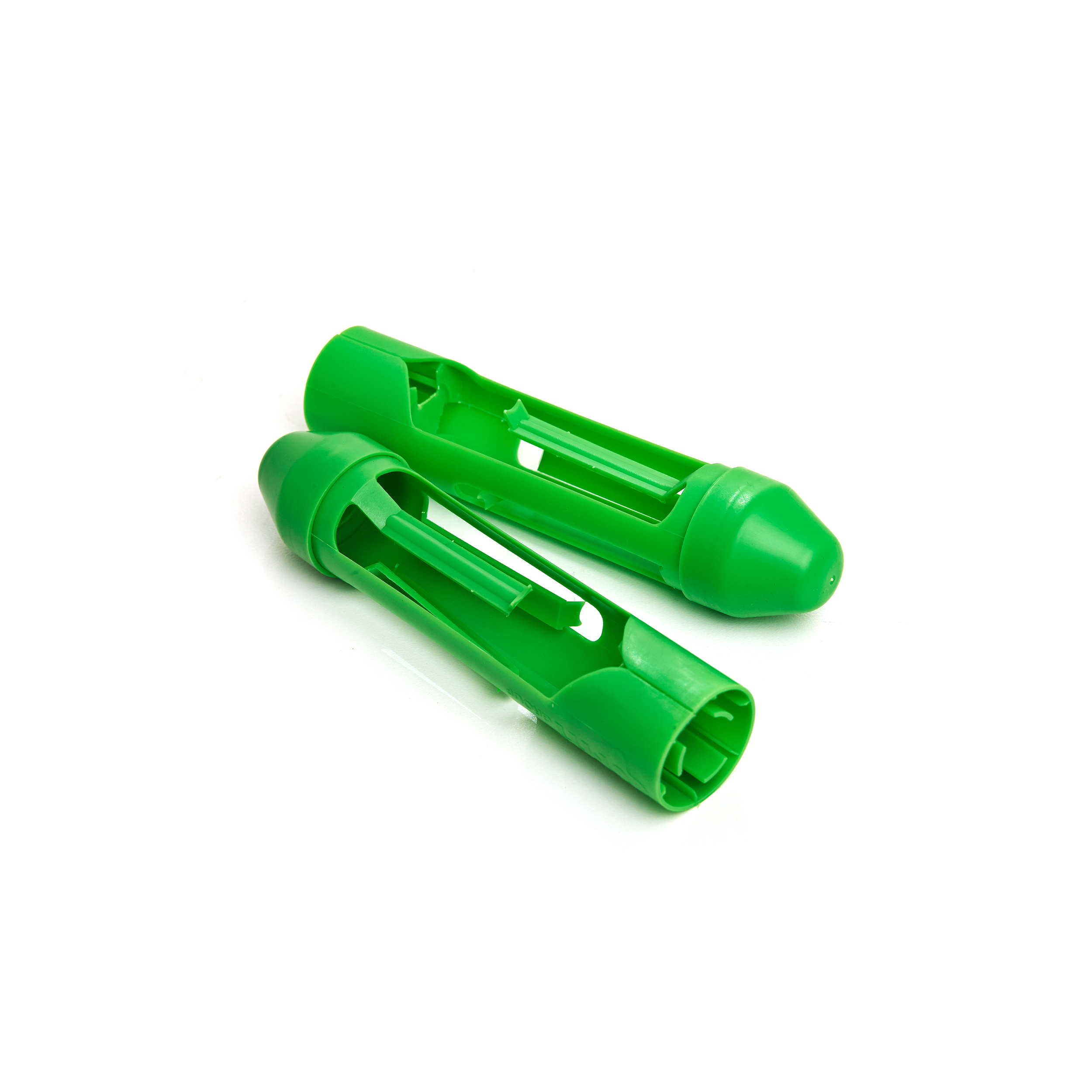
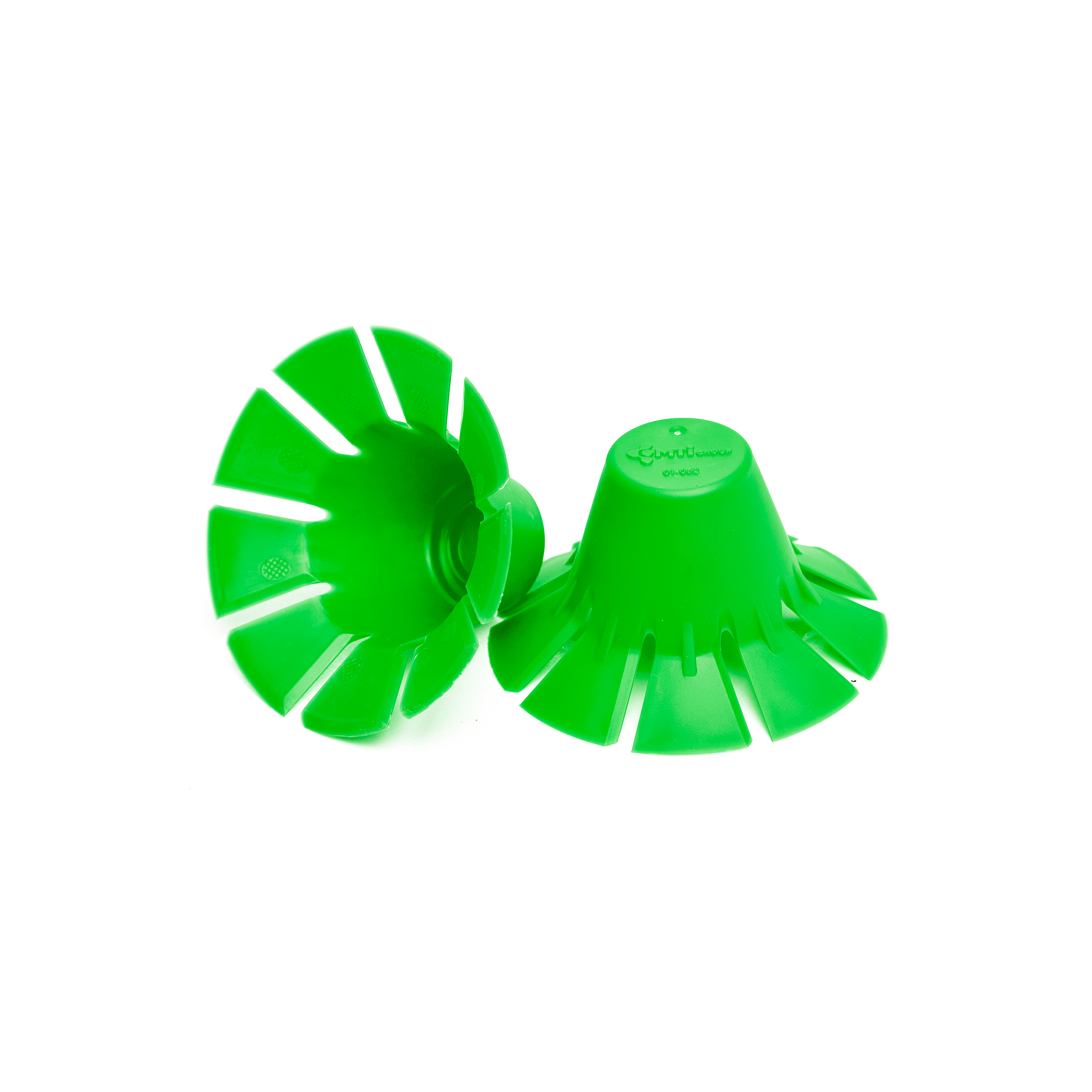
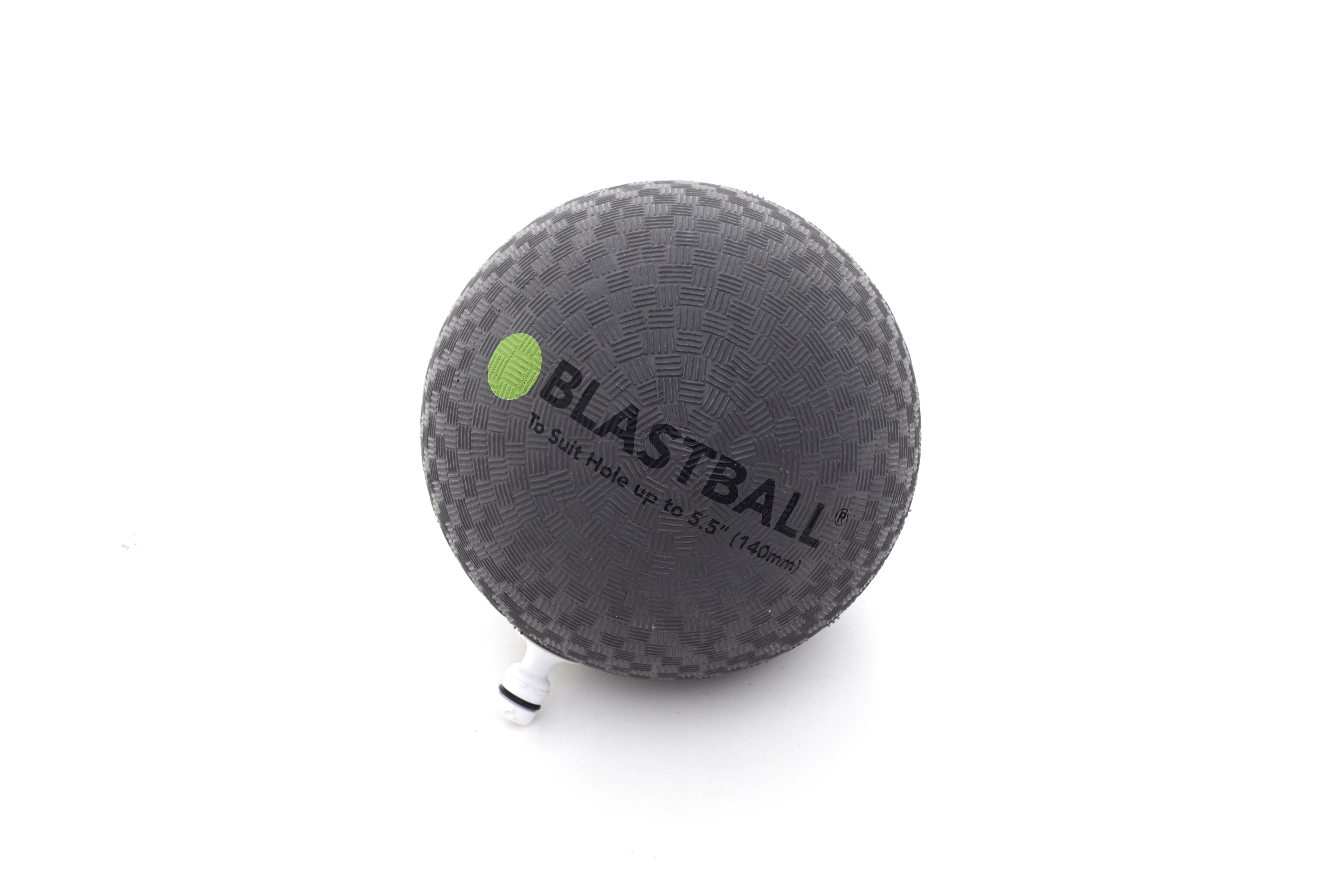
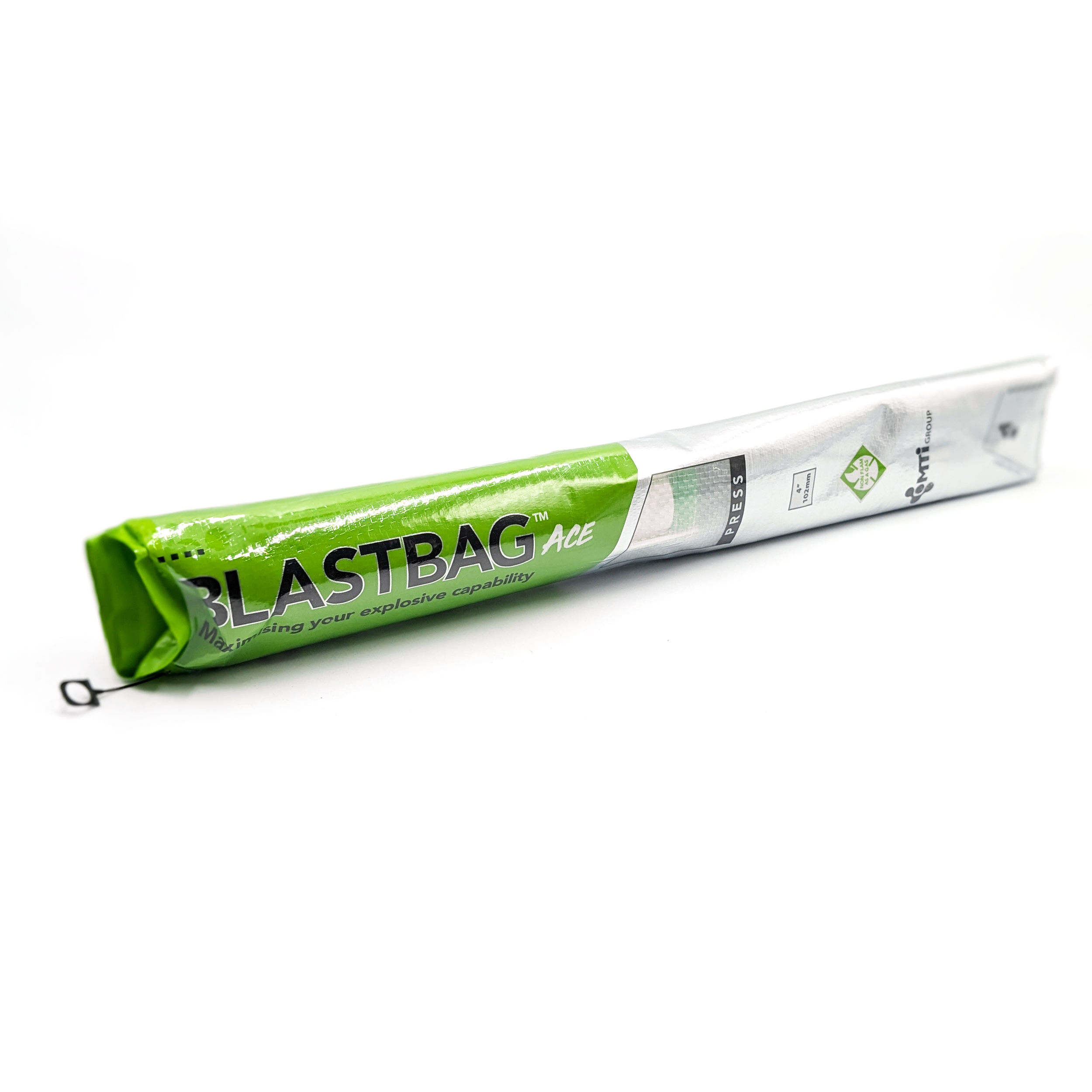
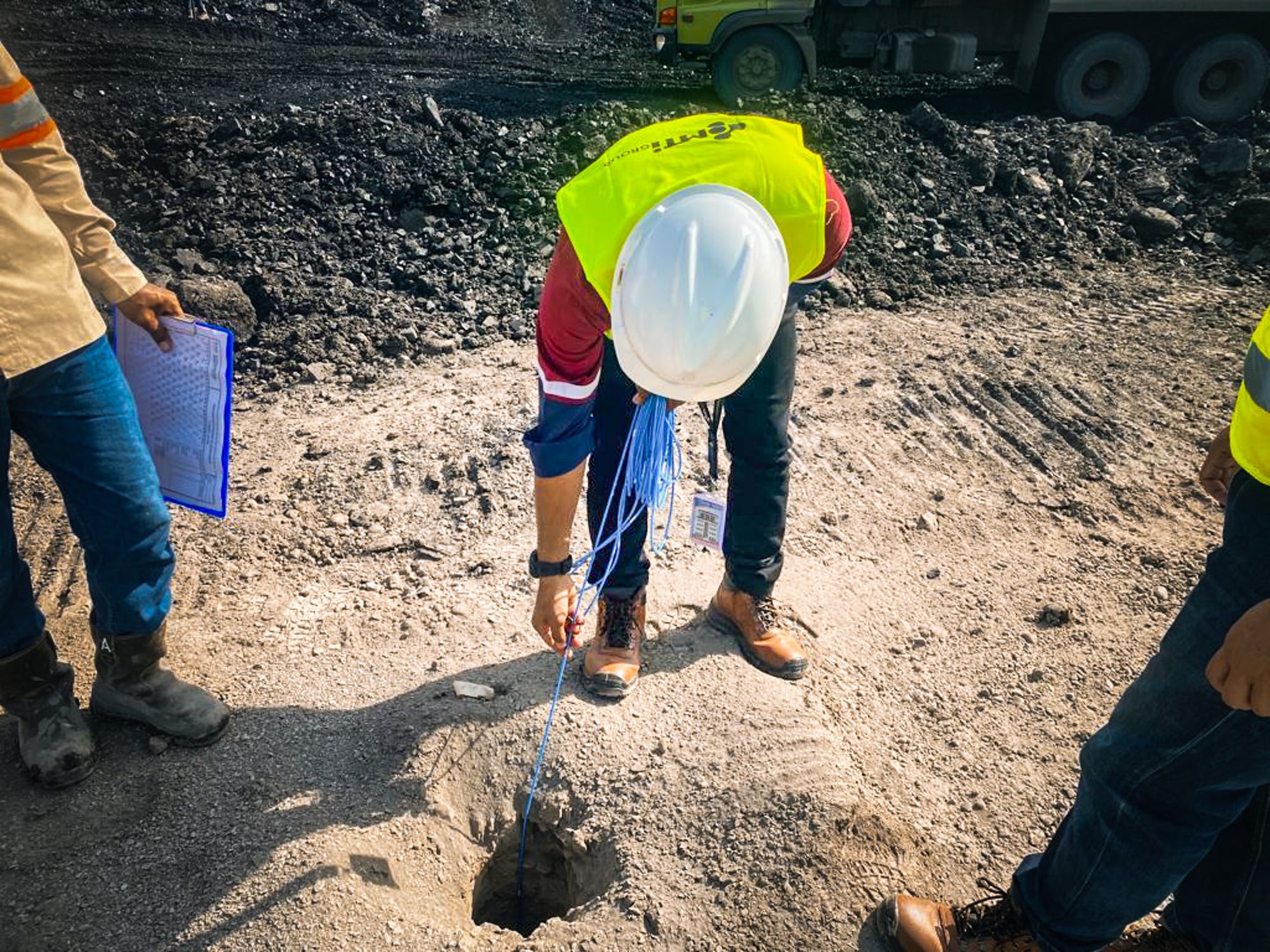
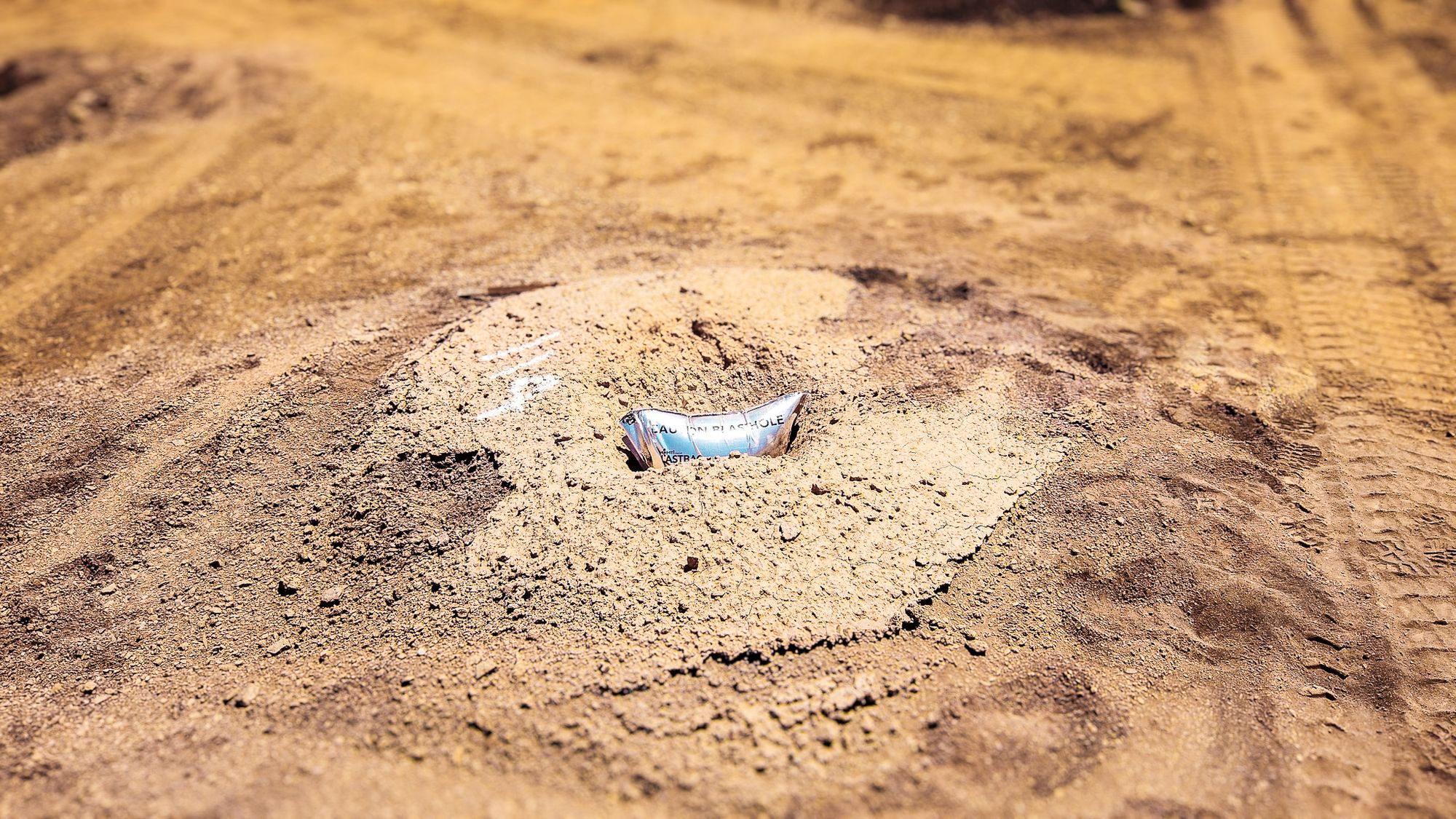
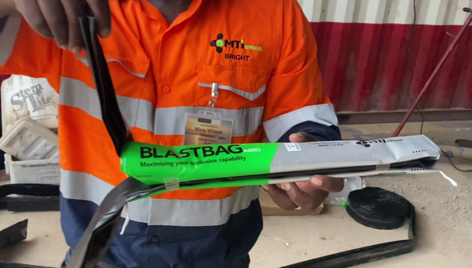
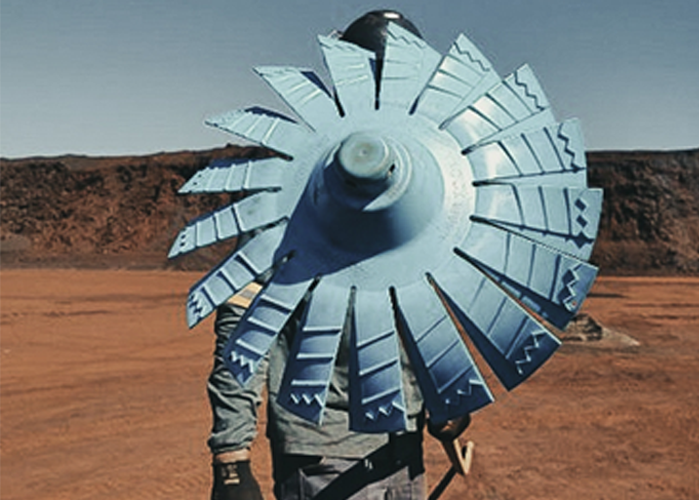
Often a result of poor explosive confinement, flyrock can be a particularly difficult issue to manage with multiple variables coming into play. These include, poor stemming, pre-conditioned rock and overloading- all of which potentially contributed to the excessive energy on display. To address this, MTi proposed the use of Airdecks, created by MTi's BLASTBAGs, to improve stemming efficiency. By creating an air gap, upward pressure on the stemming would be significantly reduced while also eliminating stemming contamination- improving explosive and stemming performance. To support the delivery of the solution, MTi' s Blasting experts ensured success by performing a range of activities - these included advanced engineering and blast design modifications. To validate this approach, a series of trial blasts were conducted. These trials allowed the site crew to familiarise themselves with the technique as well as provide tangible results (reduction in flyrock)
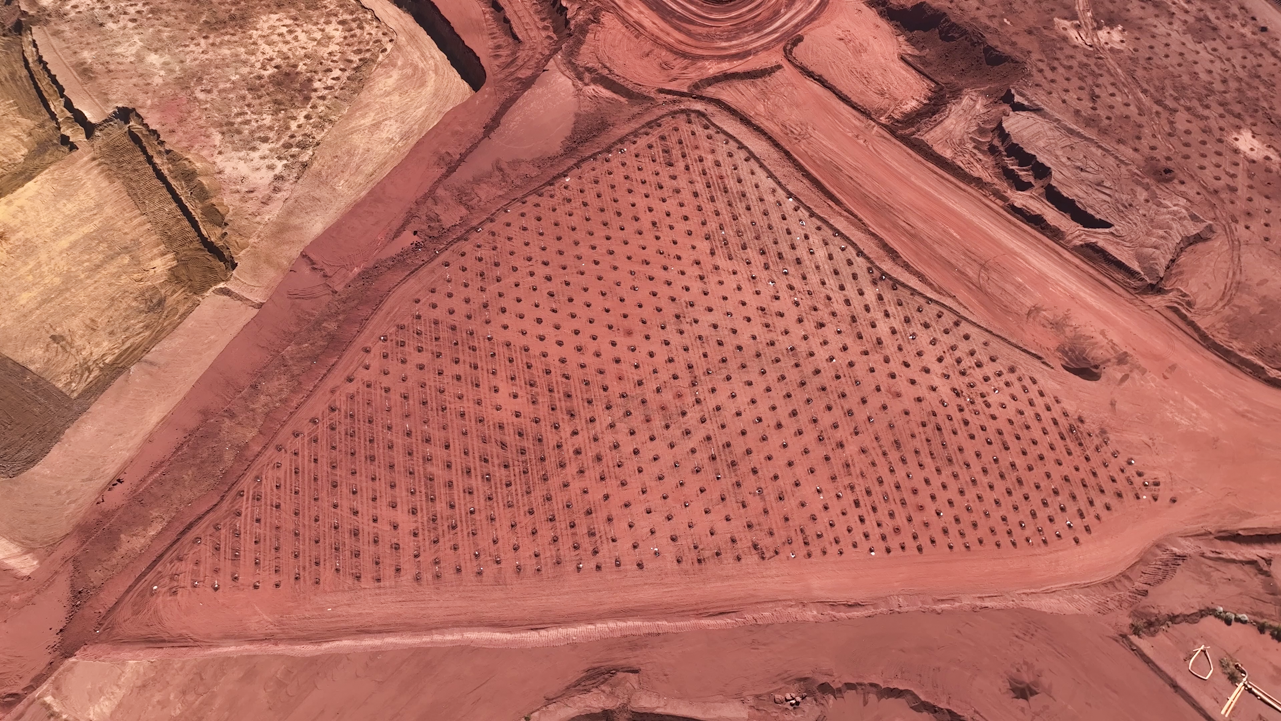
In the first phase of the trial, blast data was collected to understand the site's unique constraints, available resources, and rock geology. Based on this comprehensive analysis, MTi's Blasting experts developed an optimal blast design for the tests. The trial was divided into three blasts: BLAST 1 (POC): A split test (non-decked vs. decked) on a 3x3x12m pattern (See table below)BLAST 2 & 3 (Optimised): (Decked blast-2.5m stemming, 1.5m airdeck) on a 3x3x12m pattern*
The Result
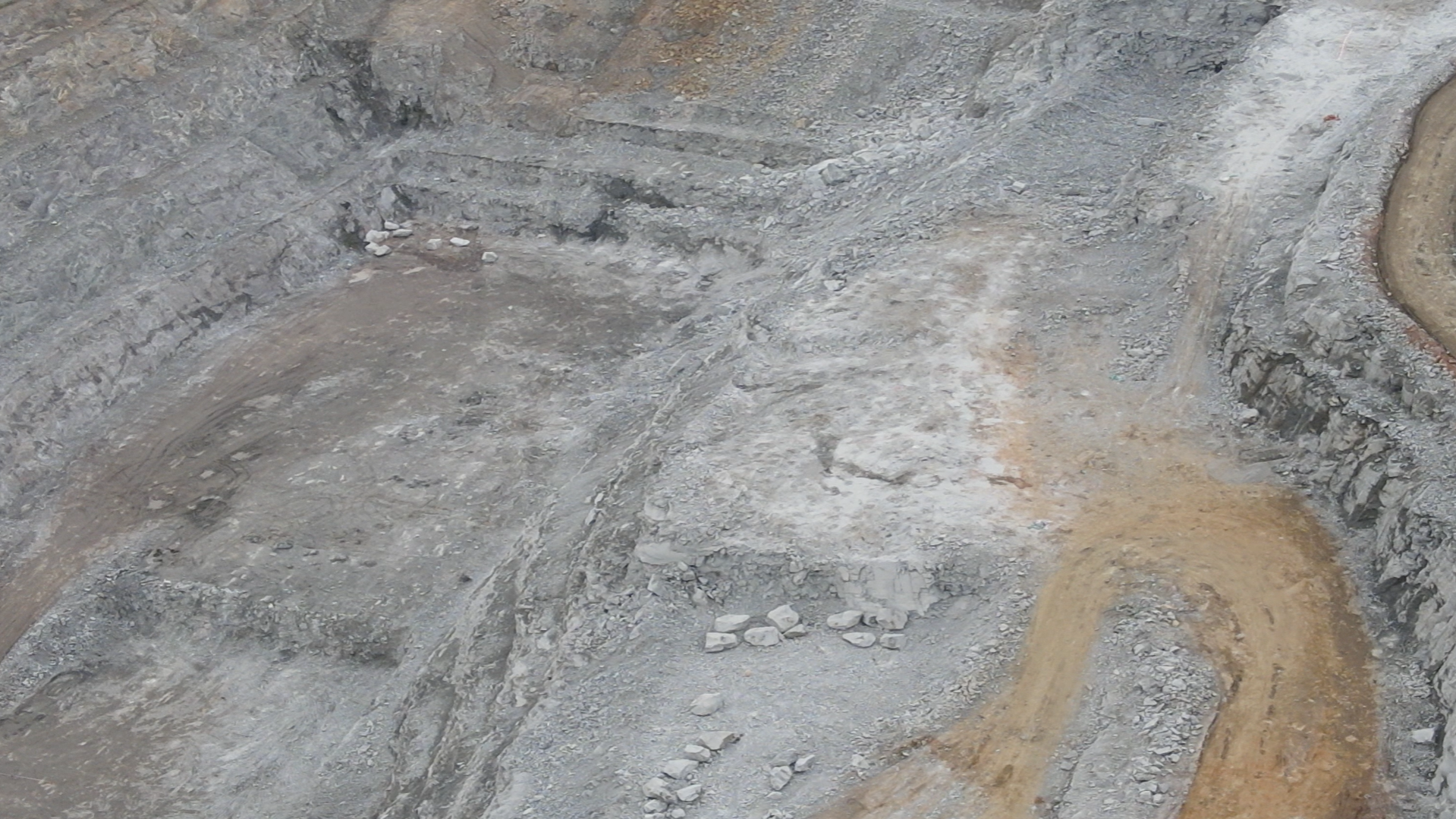
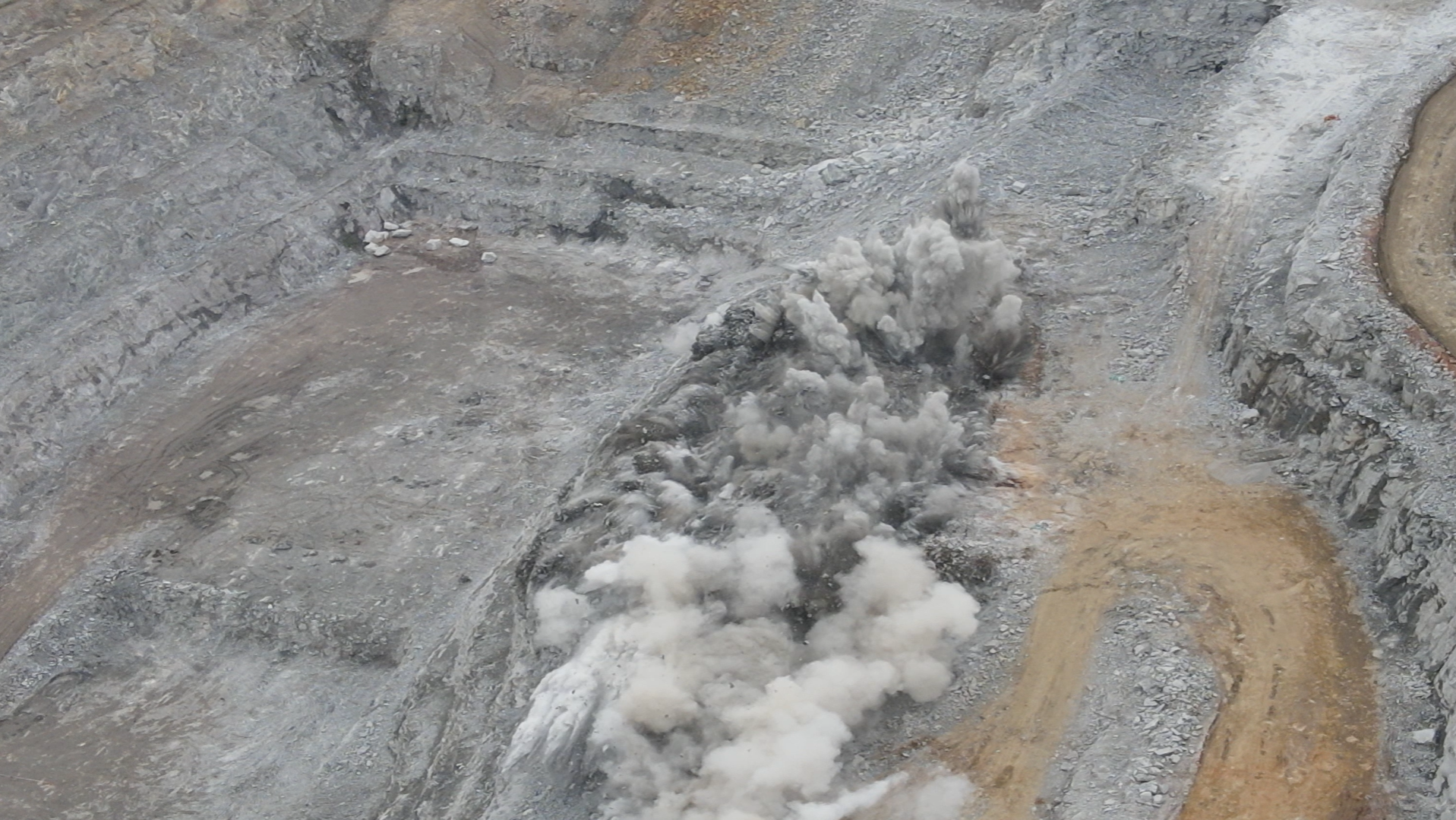
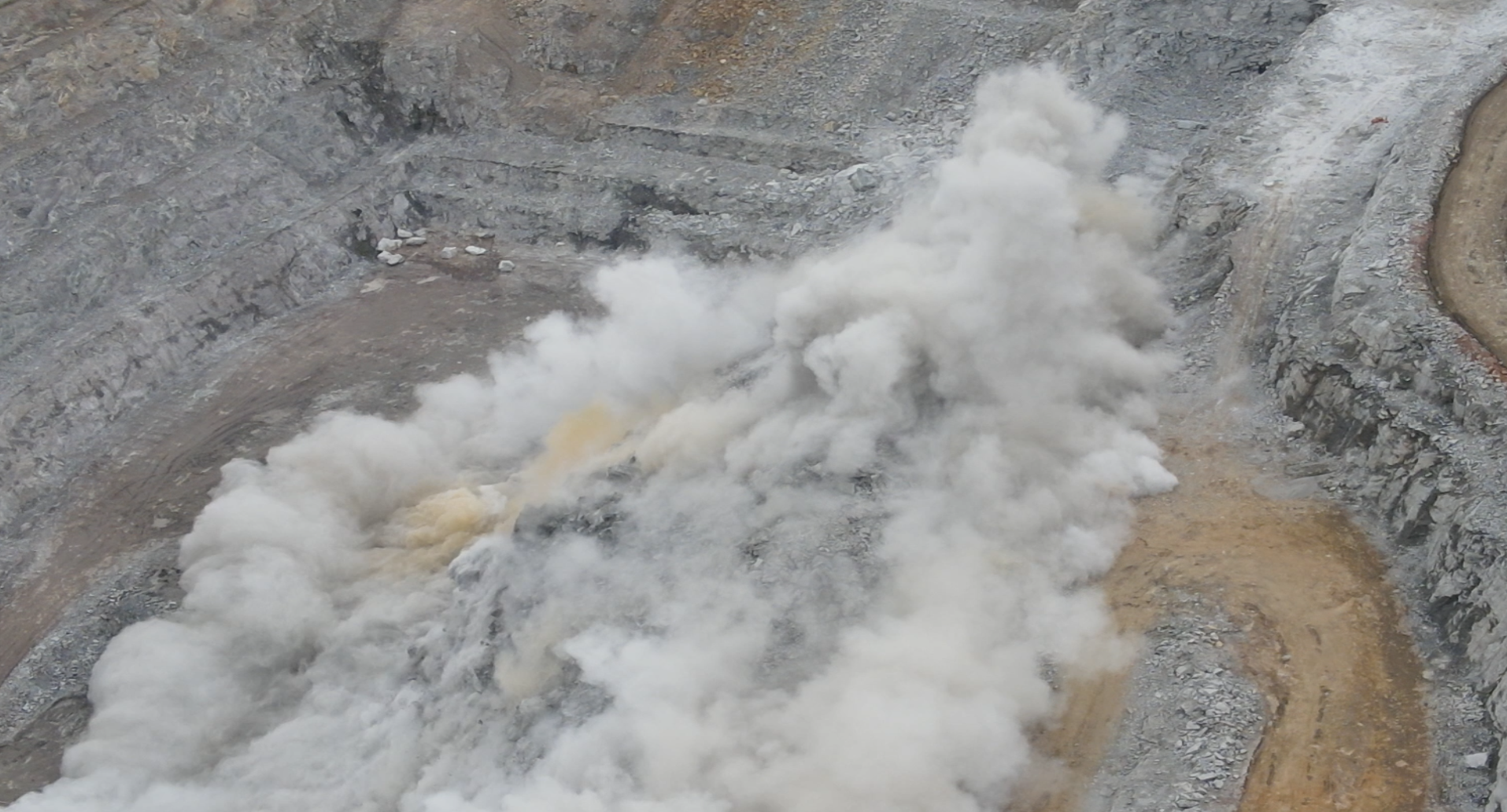
In all trials, there were significant improvements; BLAST 1 demonstrated better confinement and minimised ejections in areas where BLASTBAGs were used compared to those without. BLAST 2 achieved excellent confinement, a dramatic reduction in flyrock, and great fragmentation. BLAST 3 also showed improved confinement. Additionally, the reduction in explosive length created by the airdeck resulted in approximately 15kgs of explosives being saved per hole with a 11% reduction in powder factor presenting a significant cost-saving opportunity for the mine
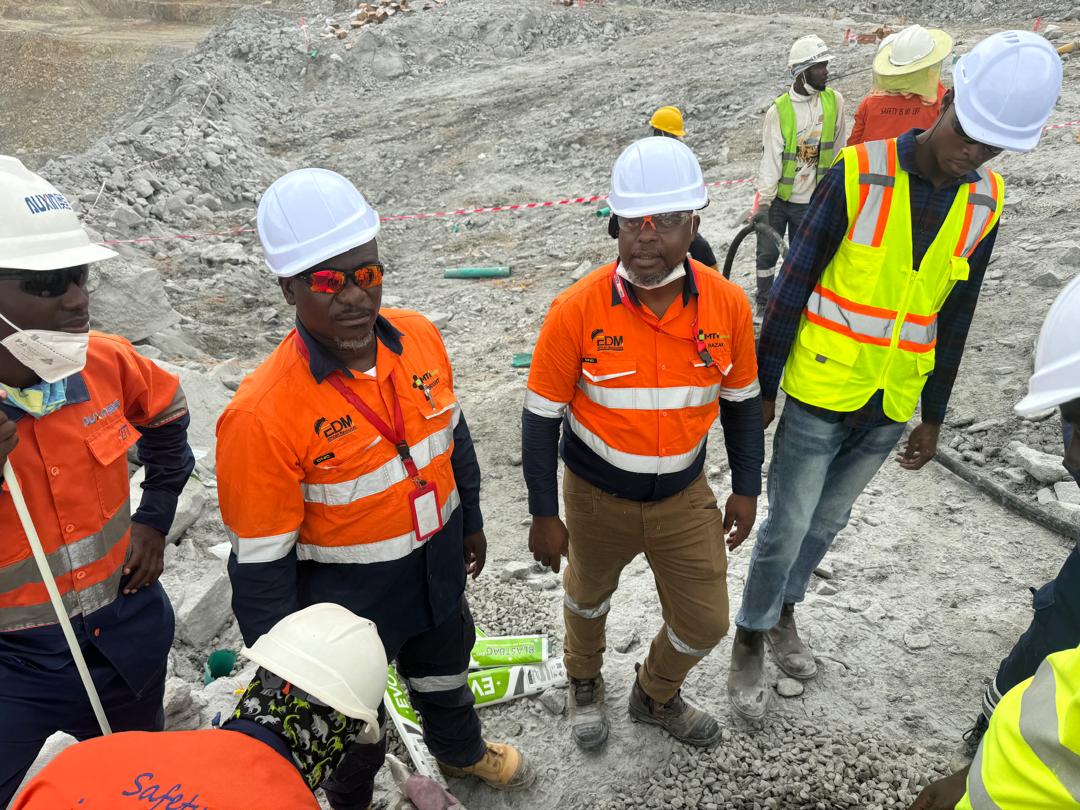
With such compelling results, the miner was convinced this was the solution they were looking for. Managing flyrock is not a one-action fix, controlling your operational variables is key to safely executing drill and blast operations, and in this sense MTi's constant and on field presence resulted in the uplift of operational capabilities, increasing compliance to design and reducing flyrock risk . Easy to implement, highly effective, and well-supported with in-person and ongoing expertise from MTi's Blasting experts and local distributor EDM African Resources, BLASTBAGs have enabled safer blasting allowing for a return to operations along the boundary and for positive community relations to once again be restored.
Project Powered By:
Australia (WA)
Australia (NSW)
Australia (QLD)
United States
South Africa
Site links
- Home
- products
- Site Services
- Case Studies
- Contact Us
- Inflatable Plugs
- Technology
- Blasthole liners
- In-hole accessories
- Bench accessories
- Delineation
- Inflation Equipment
- Measuring
- products
- Site Services
- Case Studies
- Blastbags
- Blastscout
- Blastshield
- Spiders