







_trans_2500x2500.png)



















.jpg)

.jpg)







Managing deadly fume events
Background
The Challenge
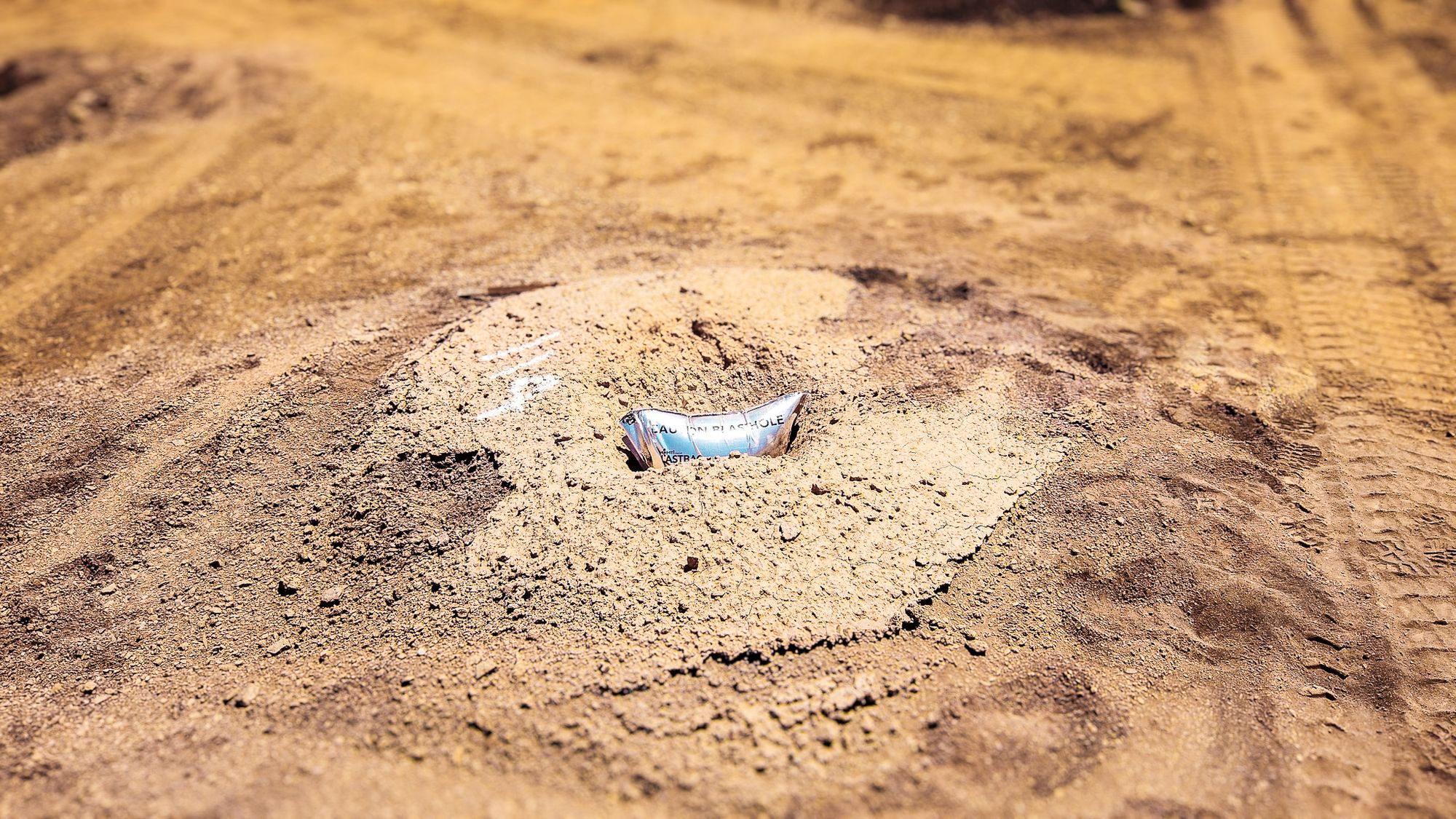
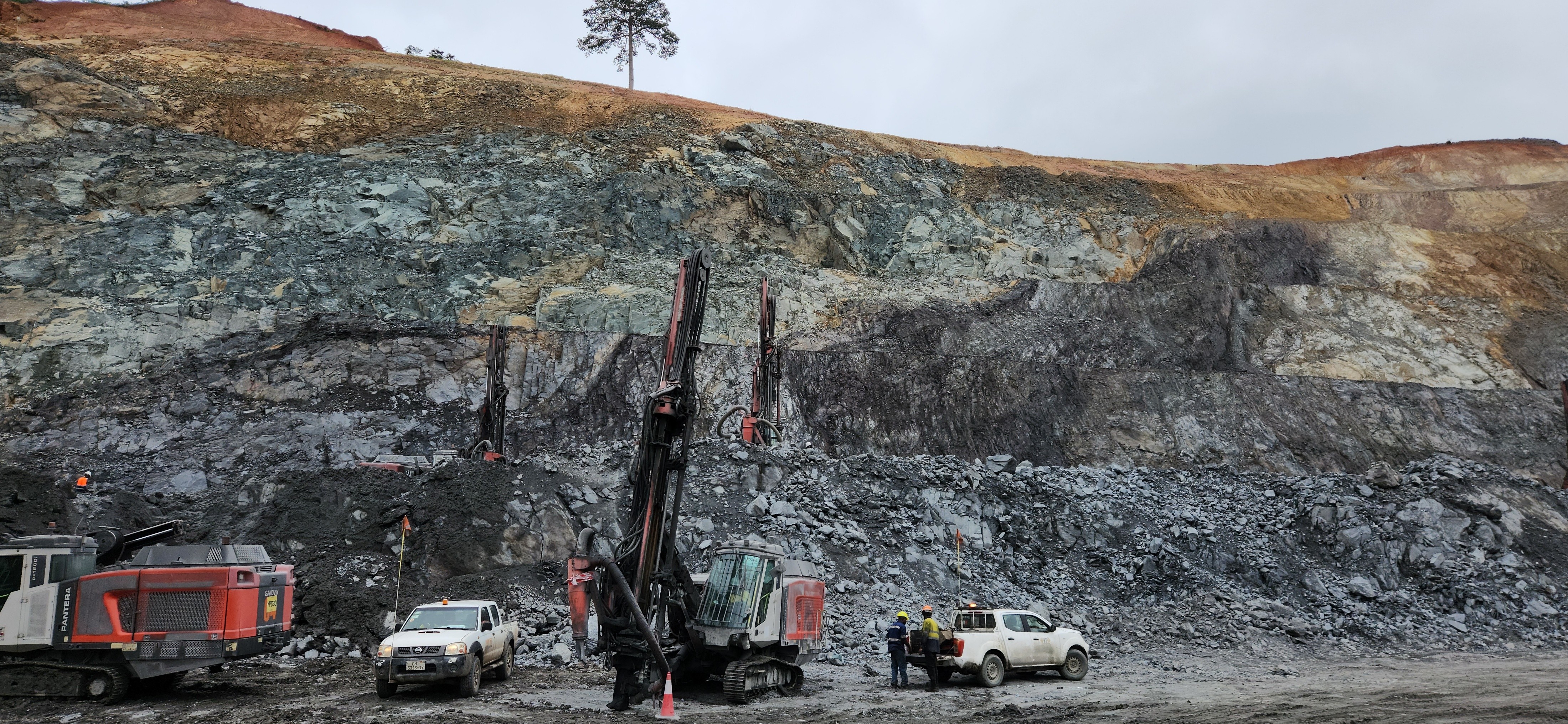
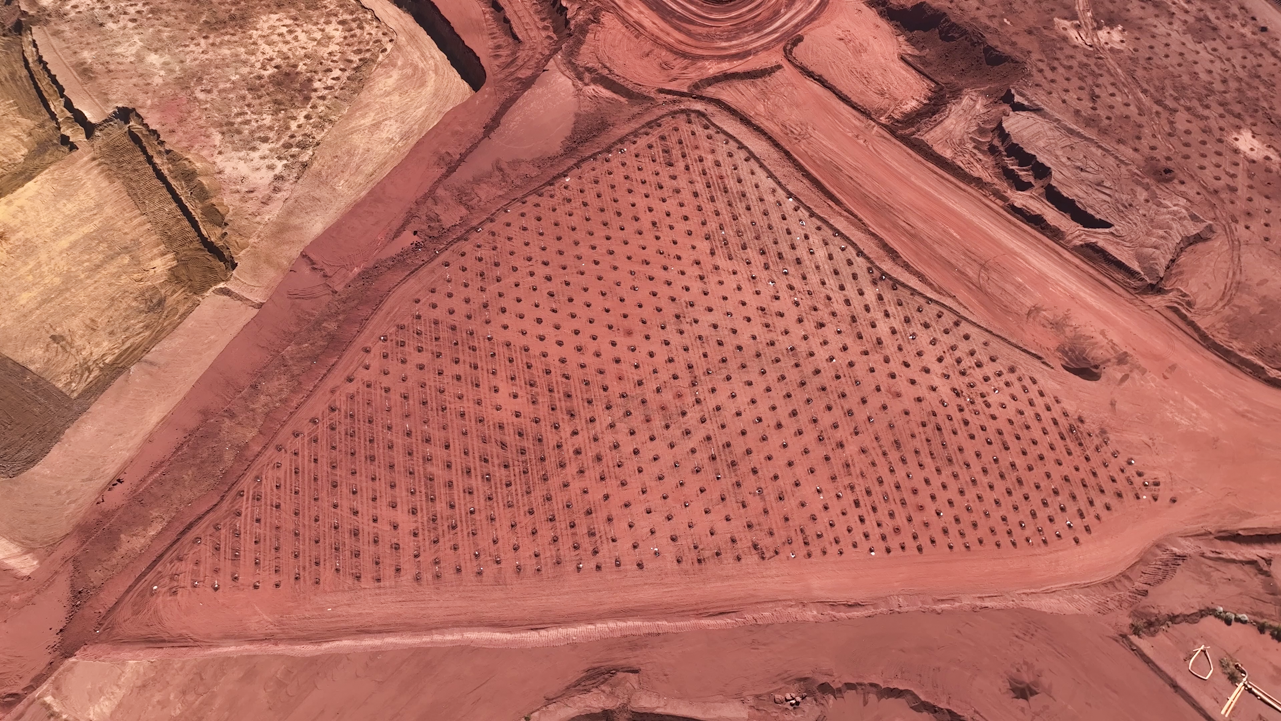
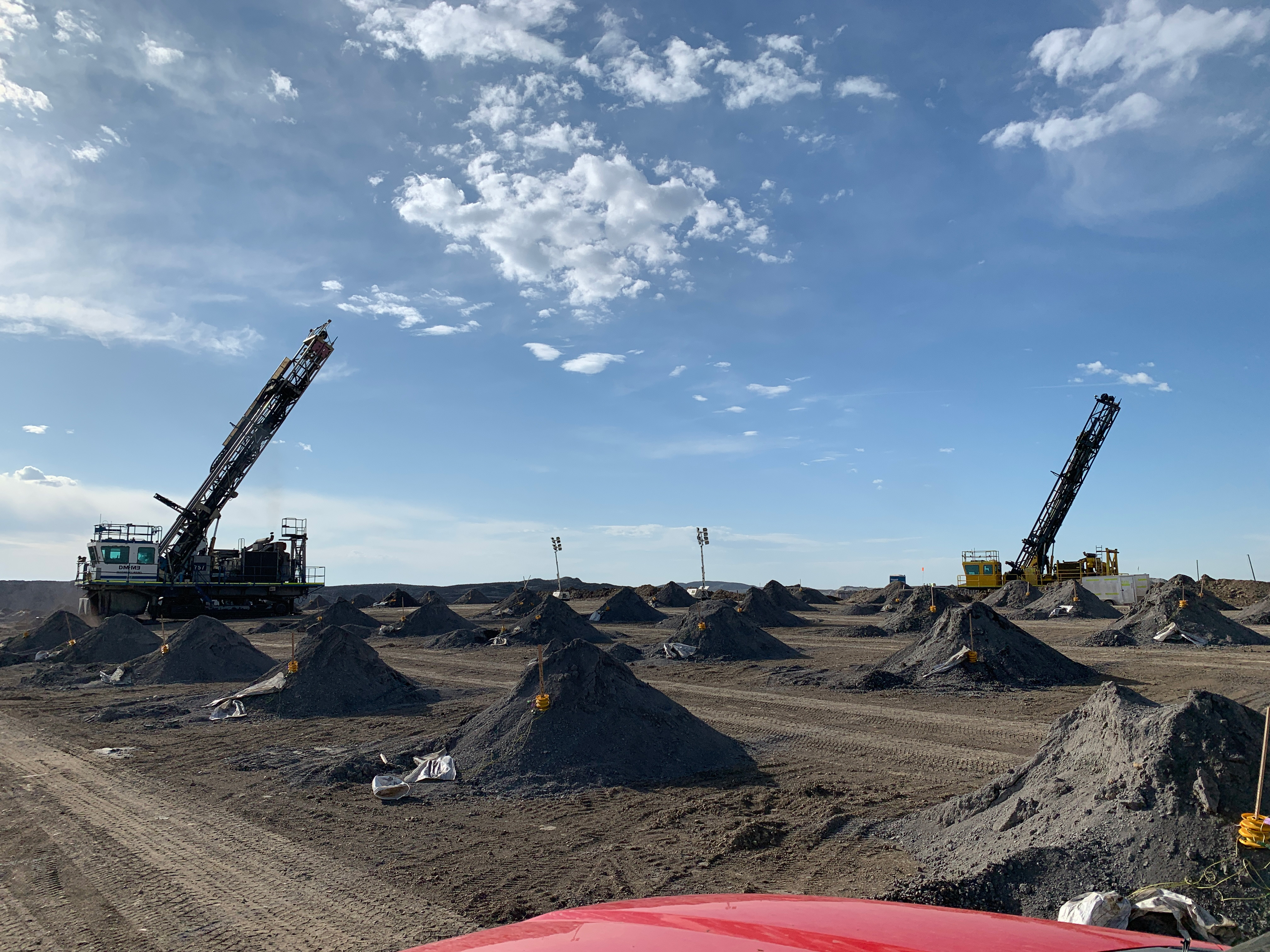
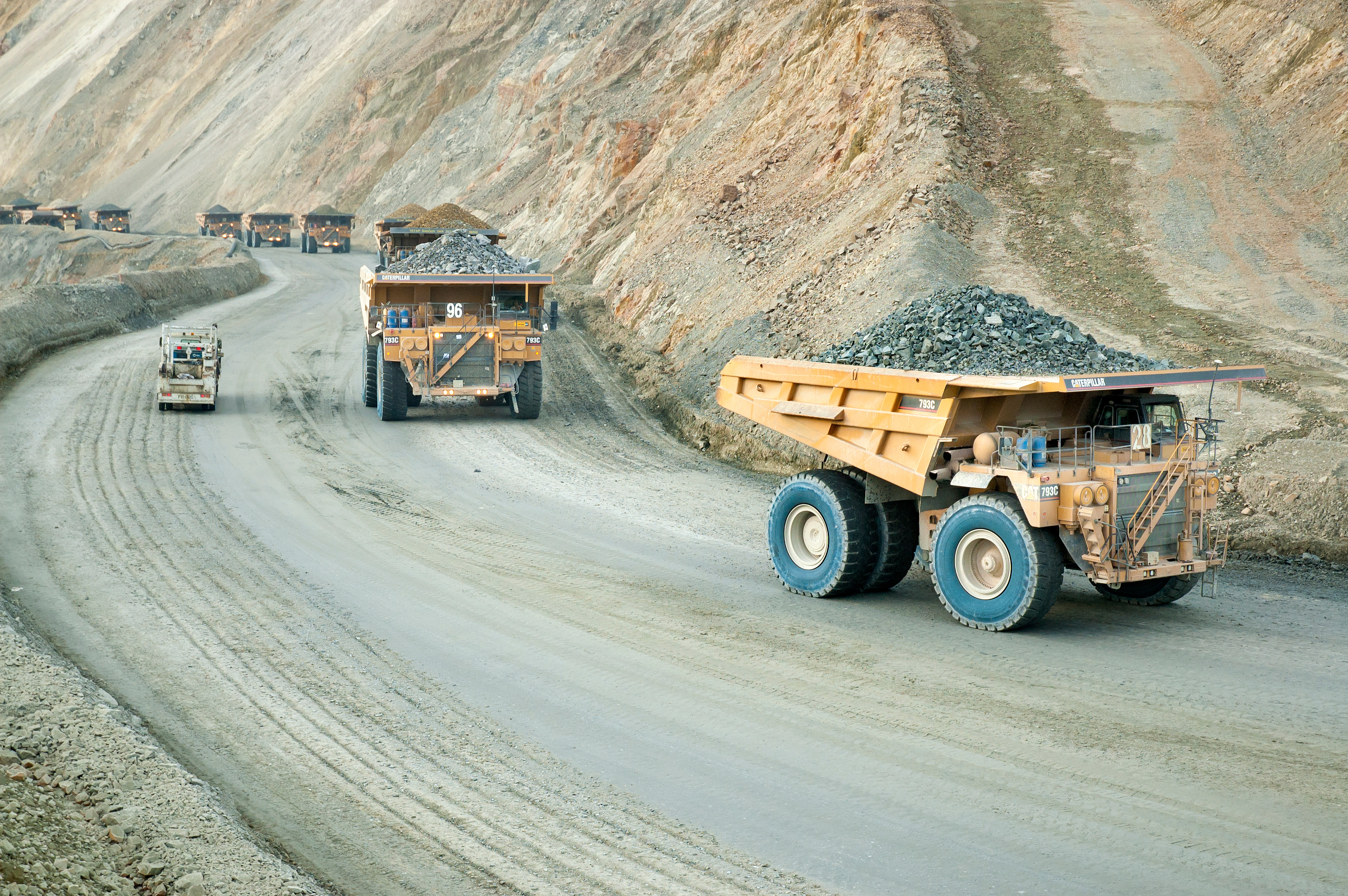
Explosive gases occur naturally on every blast. In an ideal detonation, the by-products consist of carbon dioxide, hot steam and nitrogen, all relatively harmless gases to humans. When the reaction is non-ideal or has a positive oxygen balance, toxic orange and brown Nitrous Oxide (NOx) is produced. This can occur when underfueling the explosive mix but is more commonly the result of degradation of the explosive due to contact with water or soil contaminants. This may also occur when explosives are unconfined, which usually happens when blast hole diameters vary across a shot in less competent or preconditioned rock masses.With such a thin margin for error, fume events can quickly become a headache for even the most meticulous of miners. Our client, a Powder River Basin miner, had been experiencing regular fume events in their large production shots. This was primarily attributed to the soft and wet ground conditions but also a result of sleeping loaded holes for days and often weeks at a time. To manage the impacts of fume and comply with Wyoming Department of Environmental Quality (WDEQ) issued notice of violation, the mine modified its blasts by reducing the size of the shot to decrease sleep times as well as scheduling their blasts to coincide with favourable wind conditions. This was an immediate control given the proximity of the mine to public infrastructure. However, this strategy was not effective as it would often lead to blasts being delayed for several days which proved to be unsustainable as a long-term solution. Working off a typical blast design averaging 300 holes with a 311.15mm diameter, drilled to 39.62m deep on a 25-degree angle. The holes were typically loaded with a 50/50 emulsion blend or a 100% emulsion to handle the wet ground conditions.
The Solution
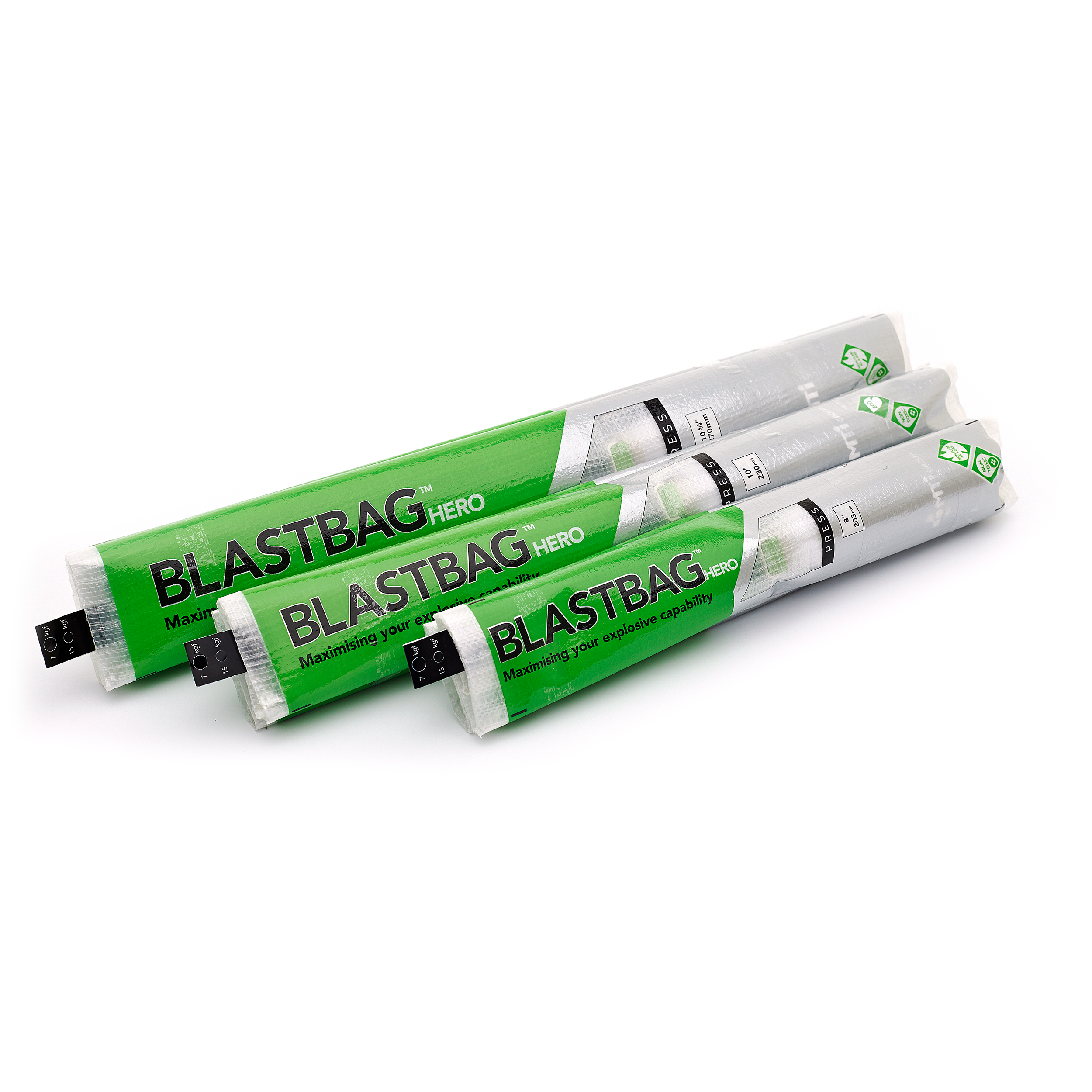
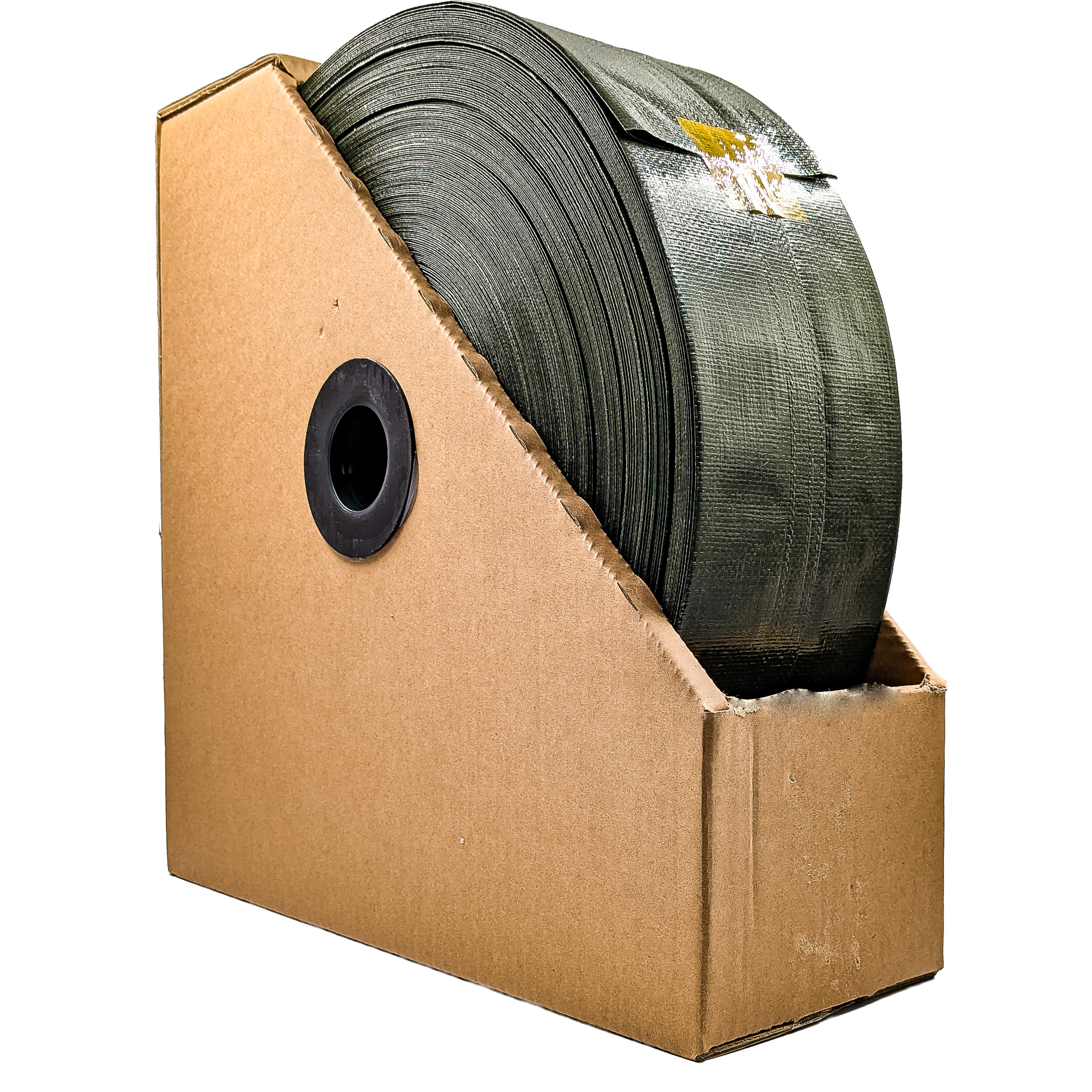
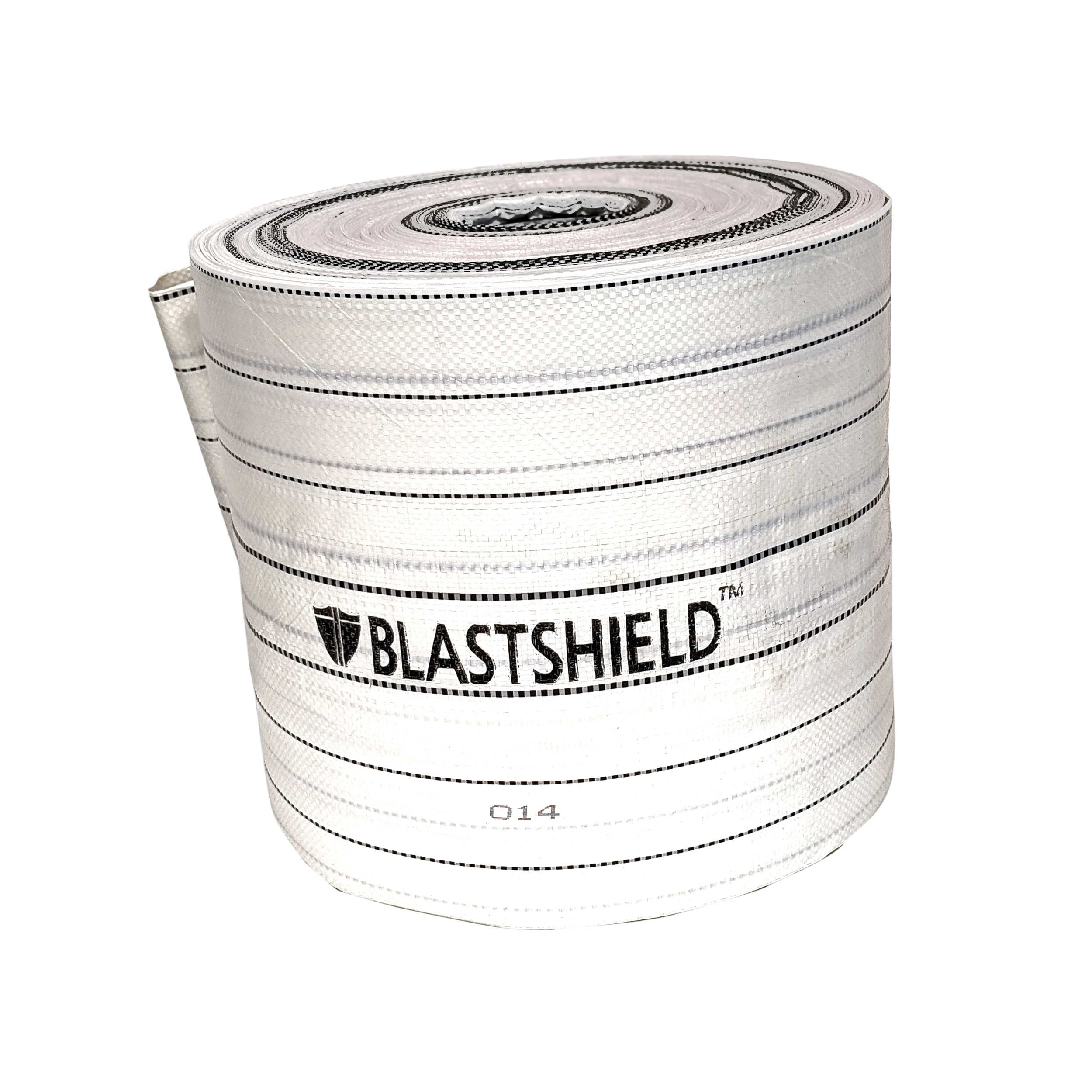
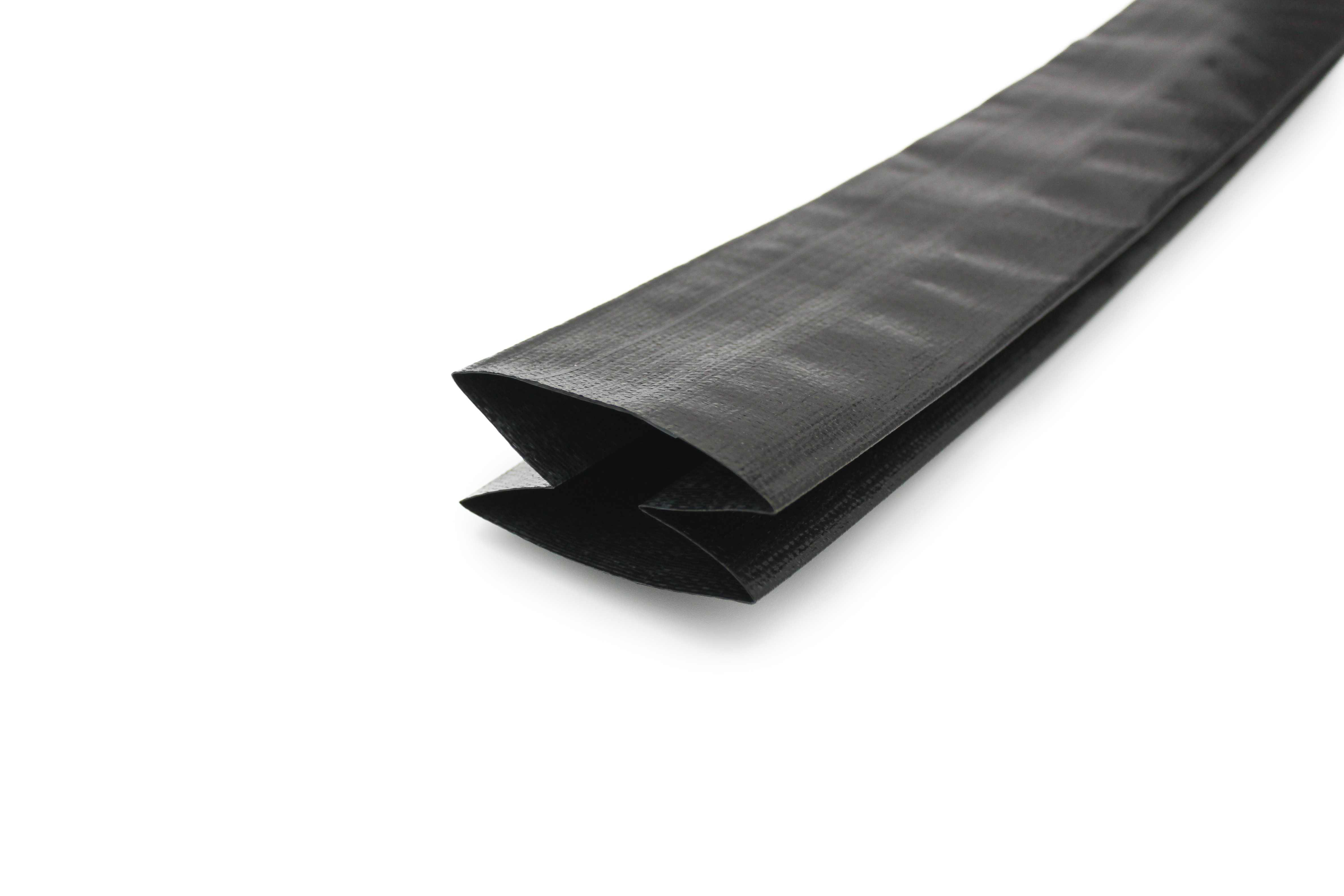
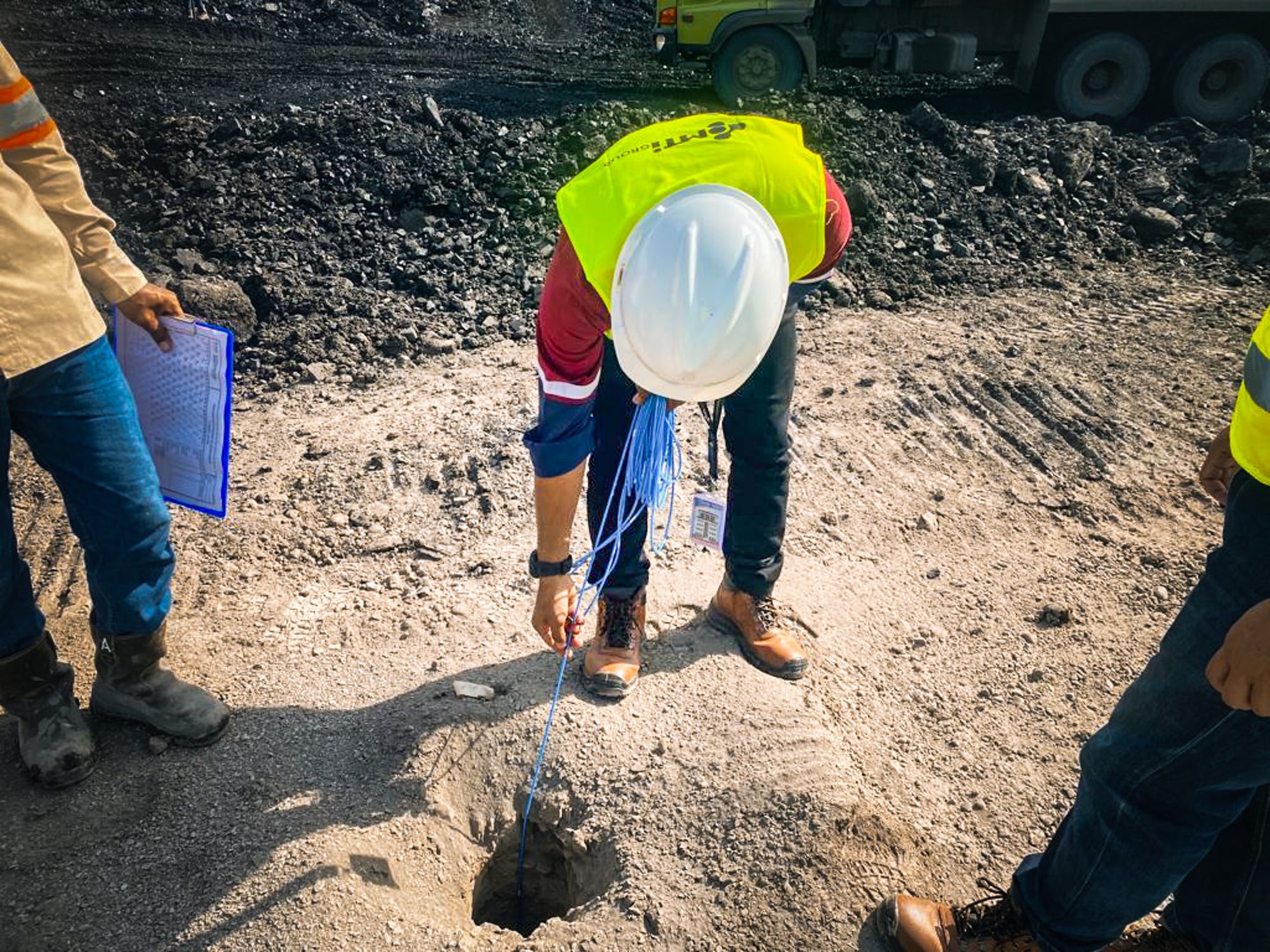
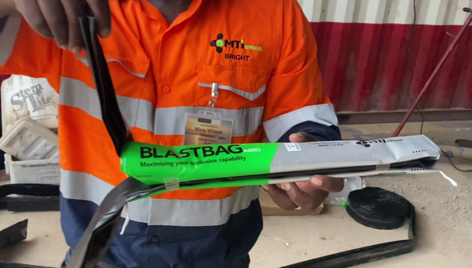
In a region where fumes have historically been an issue due to the combination of explosives, blasting techniques and ground conditions, multiple solutions have been explored including hole liners. Traditional flat lay Polyethylene hole liners have struggled in these deep and angled holes; tearing and ripping easily as well as being difficult to deploy resulting in blockages and loss of operational time. As part of the solution, MTi Group developed the BLASTSHIELD liner, a high tensile, ripstop internally laminated woven liner. Designed specifically to protect the explosives from degradation by water and contaminants as well as overcome traditional issues in ripping and tearing due to the angled holes. Using the BLASTSHIELD system, the liner was deployed easily and efficiently, with the system heat-sealing the liner to ensure zero leakage while minimising manual handling in the process.
The Result
The impact of the BLASTSHIELD liners was immediate! Eliminating the occurrence of fume events by 100% in all Blastshield lined cast blasts! This allowed the mine to abandon previous blast design modifications and instead design blasts as mandated by production requirements and independent of wind constraints.In addition to designing blasts as needed versus as required to reduce fume, the mine site through BLASTSHIELD was now able to better match the explosives to the ground conditions. Allowing the miner to load holes with ANFO instead of a heavy emulsion blend, they were able to match the explosive to the type of rock and exert a greater degree of control and achieve a better blasting result.
By eliminating the occurrence of fume events, the mine was able to improve safety for staff and surrounding stakeholders and thus satisfy the requirements of the WDEQ, securing its license to operate the mine into the future.

Project Powered By:
Australia (WA)
Australia (NSW)
Australia (QLD)
United States
South Africa
Site links
- Home
- products
- Site Services
- Case Studies
- Contact Us
- Inflatable Plugs
- Technology
- Blasthole liners
- In-hole accessories
- Bench accessories
- Delineation
- Inflation Equipment
- Measuring
- products
- Site Services
- Case Studies
- Blastbags
- Blastscout
- Blastshield
- Spiders